History often remembers kings, wars, and famous rulers, but many underrated scientists, inventors, and mathematicians changed the world through discoveries that still affect our daily lives today. From the electricity powering our homes to the phones, computers, Wi-Fi, medicines, and internet we use every day, these brilliant minds helped shape modern civilization.
One of the most inspiring figures in history is Marie Curie. She studied physics, chemistry, and radioactivity and discovered the elements radium and polonium. Her groundbreaking research transformed modern medicine and scientific research. Today, her discoveries are used in cancer radiation therapy, medical imaging like X-rays, and nuclear science. Because of her revolutionary contribution, a radioactive element called Curium was later named in honor of Marie Curie and her husband Pierre Curie. She also became the first woman to win a Nobel Prize and the first person to win Nobel Prizes in two different sciences.
Another underrated genius was Nikola Tesla, whose inventions changed the way electricity is supplied across the world. Tesla developed the Alternating Current (AC) electricity system, which powers modern homes, cities, factories, computers, and charging systems today. Without Tesla’s work, modern electrical infrastructure would be completely different.
The modern computer age owes a huge debt to Alan Turing, who developed the foundations of computer science and artificial intelligence. His concept of the “Turing Machine” became the basis of modern computers, smartphones, apps, cybersecurity systems, and AI technologies. Similarly, Ada Lovelace is considered the world’s first computer programmer because she wrote one of the earliest computer algorithms long before modern computers even existed.
Wireless communication technology also has contributions from underrated innovators. Hedy Lamarr developed frequency-hopping communication technology, which later became important for Wi-Fi, Bluetooth, GPS, and wireless communication systems. Indian scientist Jagadish Chandra Bose was another pioneer of wireless communication and radio science. His early experiments with radio waves and microwaves contributed to technologies that later influenced wireless communication systems used worldwide.
Technology connected to computers and pen drives also has an Indian connection. Ajay Bhatt helped develop USB (Universal Serial Bus) technology while working at Intel. USB technology became the foundation for pen drives, keyboards, printers, phone chargers, external storage devices, and many modern electronic accessories.
India also produced one of history’s greatest mathematical minds, Srinivasa Ramanujan. Despite limited formal training, he developed extraordinary mathematical formulas involving infinite series, number theory, and partition theory. His mathematical concepts are still used today in computer science, cryptography, physics, and data security systems that protect online banking and digital communication.
Another legendary Indian scientist was C. V. Raman, who discovered the Raman Effect.This discovery explained how light changes after interacting with molecules and became the foundation of Raman spectroscopy, a technique now widely used in pharmaceutical research, medical diagnostics, chemistry, and space science.
In biology and genetics, Rosalind Franklin played a critical role in revealing the structure of DNA through her X-ray diffraction images. Her work became the foundation for modern genetics, biotechnology, and disease research. Similarly, Gregor Mendel discovered the basic laws of genetics through pea plant experiments and later became known as the “Father of Genetics.”
Another revolutionary contribution to modern civilization came from Orville Wright and Wilbur Wright, popularly known as the Wright brothers. They successfully invented and flew the world’s first powered aircraft, turning the dream of human flight into reality. Their invention transformed global transportation, tourism, trade, and modern aviation, eventually leading to the development of airplanes used worldwide today.
These underrated people in history may not always receive the same recognition as political leaders or famous rulers, but their discoveries quietly built the modern world. Every time we use a phone, connect to Wi-Fi, charge a laptop, undergo medical treatment, or access the internet, we are benefiting from the ideas and inventions of these remarkable minds.
“These are just some of the underrated minds in history — there are many more scientists, inventors, and thinkers whose contributions quietly shaped the modern world we live in today.”
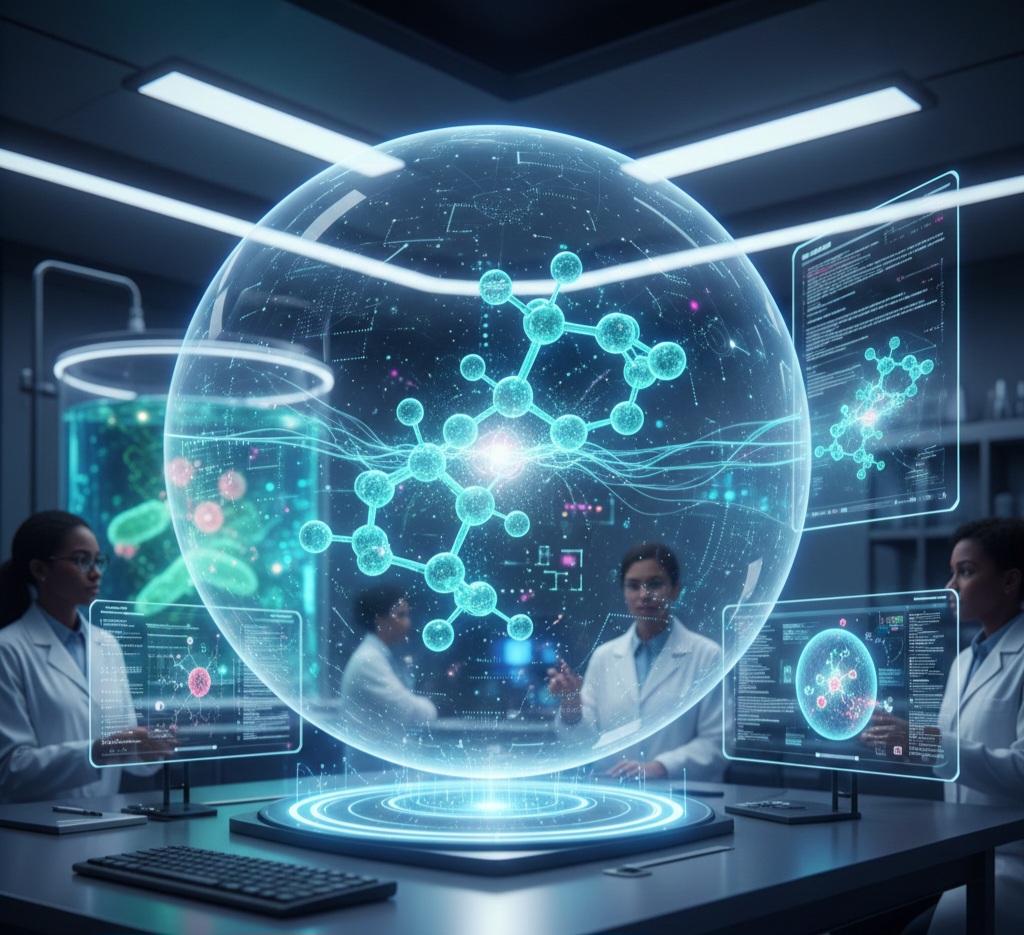
For decades, the pipeline for new antibiotics ran dry. We were facing a silent pandemic of antimicrobial resistance (AMR), where common infections once easily treated were becoming deadly again. The rise of “superbugs” like MRSA and drug-resistant Gonorrhea loomed large, threatening to send us back to a pre-antibiotic era. But as of early 2026, a new hero has emerged in this fight: Artificial Intelligence.
AI isn’t just speeding up discovery; it’s fundamentally changing how we find and design life-saving drugs. Welcome to the second golden age of antibiotics.
From Haystacks to Blueprints: AI’s New Approach
Historically, finding new antibiotics was like searching for a needle in an immense chemical haystack. Scientists would screen thousands upon thousands of compounds, hoping to stumble upon one that killed bacteria without harming humans. It was slow, expensive, and increasingly fruitless.
”Enter AI” is the moment the narrative shifts from “human struggle” to “machine-augmented triumph.” It marks the transition from the Antibiotic Winter (1980s–2010s) to the Digital Spring.
1. The Shift from Luck to Logic
Before AI, discovery was often accidental (like Fleming finding mold on a petri dish). “Enter AI” means we now use Deep Learning to see patterns in molecular structures that are invisible to the human eye.
The Halicin Example: In 2019, the AI wasn’t told what an antibiotic looks like; it was told to find molecules that behave like one. It identified Halicin (originally a failed diabetes drug) because it “saw” a unique way the molecule could disrupt the flow of protons across a bacterial membrane.
2. Sifting Through the “Chemical Universe”
There are an estimated 10^{60} potential drug-like molecules—more than there are stars in the galaxy. Humans could only ever test a tiny fraction.
Enter AI: Machine learning models act as a high-speed “sifter.” In the case of Abaucin (discovered in 2023), AI screened 6,680 compounds in an afternoon and narrowed them down to 240 for physical testing. This would have taken humans years of manual labor.
3. The 2026 Context: Generative vs. Predictive
When you write “Enter AI” today, you are talking about Generative Chemistry.
Predictive AI (2019): “Does this existing molecule work?”
Generative AI (2026): “I need a molecule that is shaped like this and sticks to that specific bacterial protein. Build it for me.”
Enter AI. Early breakthroughs saw machine learning models rapidly sifting through existing databases, identifying compounds that humans had overlooked. The antibiotic Halicin, discovered by MIT in 2019, was a prime example. AI predicted it would kill bacteria, and it worked, even against notoriously tough pathogens like C. diff and Tuberculosis.
But today, AI has evolved beyond just screening. We’ve moved into the realm of Generative AI, where the intelligence isn’t just finding existing solutions; it’s creating entirely new ones from scratch.
Designing Drugs “From Atom One”
In late 2025, MIT’s groundbreaking Antibiotics-AI Project announced two game-changing compounds: NG1 and DN1. These weren’t repurposed drugs; they were designed molecule by molecule by AI:
NG1: This compound was specifically engineered to combat drug-resistant Gonorrhea. It targets a bacterial protein called LptA, crucial for building the outer membrane – a target that human chemists had previously struggled to hit effectively.
DN1: Built atom by atom, DN1 is designed to fight MRSA (Methicillin-resistant Staphylococcus aureus), a notorious hospital superbug. The AI started with fundamental chemical elements and iteratively constructed a molecule lethal to bacteria but safe for human cells.
This capability to “write” new chemical structures allows us to explore vast areas of the molecular universe that human intuition alone might never consider.
Mining the “Microbial Dark Matter”
Beyond synthetic design, AI is also uncovering ancient secrets. A massive study leveraging machine learning recently scanned the Earth’s “global microbiome”—the collective genetic material of countless microbes found in soil, oceans, and even ancient remains.
The results were astonishing: the AI identified nearly 1 million new antimicrobial molecules hidden within this genomic data. In a truly mind-bending development, researchers even used AI to “de-extinct” molecules from the DNA of Woolly Mammoths and giant sloths, discovering that these ancient proteins could still combat modern-day superbugs. It’s like finding a biological time capsule filled with new weapons.
Unveiling the “How”: Mechanism of Action Solved
One of the greatest challenges in drug discovery has always been understanding the “Mechanism of Action” (MOA)—precisely how a drug kills its target. Without this understanding, clinical development is a long and risky gamble.
In October 2025, a new AI model called DiffDock, developed by researchers at McMaster and MIT, began to solve this “black box” problem. DiffDock doesn’t just identify potential drugs; it provides a 3D simulation of how the drug molecule “docks” into a bacterial cell, showing exactly which proteins it binds to and how it disrupts essential bacterial functions. This insight is poised to dramatically accelerate the drug development and FDA approval process, potentially saving years of research.
The Future is Now: Key AI-Discovered Antibiotics
The table below highlights some of the most promising AI-discovered antibiotics and their current status:
Name
Target Pathogen
Status (as of Jan 2026)
Halicin
E. coli, C. diff, TB
In advanced preclinical trials; demonstrating low human toxicity.
Abaucin
A. baumannii (Hospital superbug)
Moving toward Phase 1 clinical trials, showing promise against a particularly tenacious pathogen.
NG1 / DN1
Gonorrhea / MRSA
The most recent generative AI successes (2025); currently undergoing “refinement” by Phare Bio, a leading AI drug discovery company.
A Glimmer of Hope in the War Against Superbugs
The ability of AI to explore novel chemical spaces, discover hidden molecules in ancient biology, and rapidly elucidate complex mechanisms of action has reignited hope in the fight against antimicrobial resistance. We are no longer limited by human intuition or the slow pace of traditional lab work. With AI as our ally, we are now better equipped than ever to outsmart the evolving threats of superbugs and secure a healthier future.
I have curated a list of the primary research papers and news reports from the leading institutions mentioned MIT, University of Pennsylvania, and Nature Microbiology.
”In a study published in Nature Microbiology, researchers from MIT and McMaster University demonstrated how the AI tool DiffDock can visualize a drug’s ‘docking’ process…”
”According to MIT News, the newly generated compound NG1 targets the LptA protein, a mechanism never before exploited by human-designed drugs.”
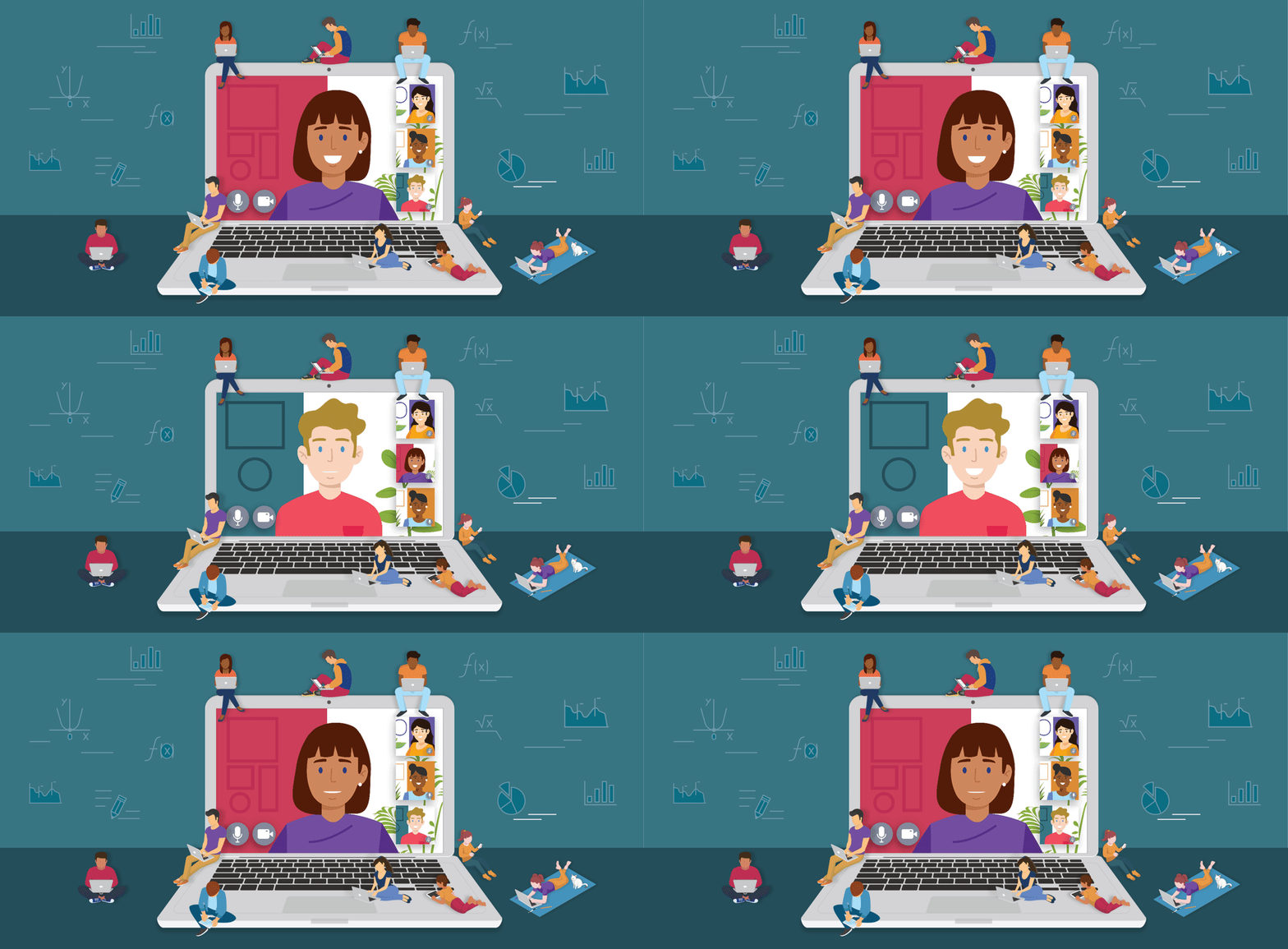
What technology would you be better off without, why?
Rittu Sara Raju
Hello! I hold a BSc in Chemistry, an MSc in Industrial Microbiology, and an MBA, combining scientific expertise with business understanding. I also have experience as a Research Assistant in a clinical research environment, where I was involved in laboratory-based and analytical research processes.
I have a strong interest in science, research, and communication. My work focuses on exploring the connection between science and everyday life, especially through cooking, where I discuss the molecular basis of ingredients and techniques.
I am also passionate about learning and sharing insights on the latest developments in science and technology, and presenting complex concepts in a simple and engaging manner.
In addition, I enjoy traveling, exploring different cultures, and trying new cuisines, which adds a broader perspective to my content.
If you are interested in science, research, or easy-to-understand science-based content, feel free to explore and connect. I am always open to discussions and questions.
Thank you for visiting! 😊
If I had to choose a technology I’d be better off without, I honestly can’t pick one, because today’s world is so advanced and fast-moving that every technology plays some role in our lives. We’re living in an AI generation, and if we don’t learn how to use these tools, we might get left behind. AI is everywhere now — even I use it in my daily life 😅 — but the important thing is how we use it.
Technology should never replace our creativity or thinking ability. Creativity is what leads to inventions in the first place. The people who invented the technologies we use today were creative, curious, maybe even a little crazy — and that creativity was their gift. So it’s up to each individual to use technology in a way that supports their brain, not replaces it.
Social media connects us to the world, and AI makes many tasks easier, but at the end of the day, AI can never fully replace humans. Even AI depends on humans for training and development.So in my opinion, technology is good — as long as we use it for the right purpose and in the right way. 😊 Everyone may have their own views, but this is mine.
Technology is good but use it in right way or good purpose.
“The Lord gives wisdom; knowledge and understanding come from His mouth.”— Proverbs 2:6
1–2 minutes
Daily writing prompt
What technology would you be better off without, why?
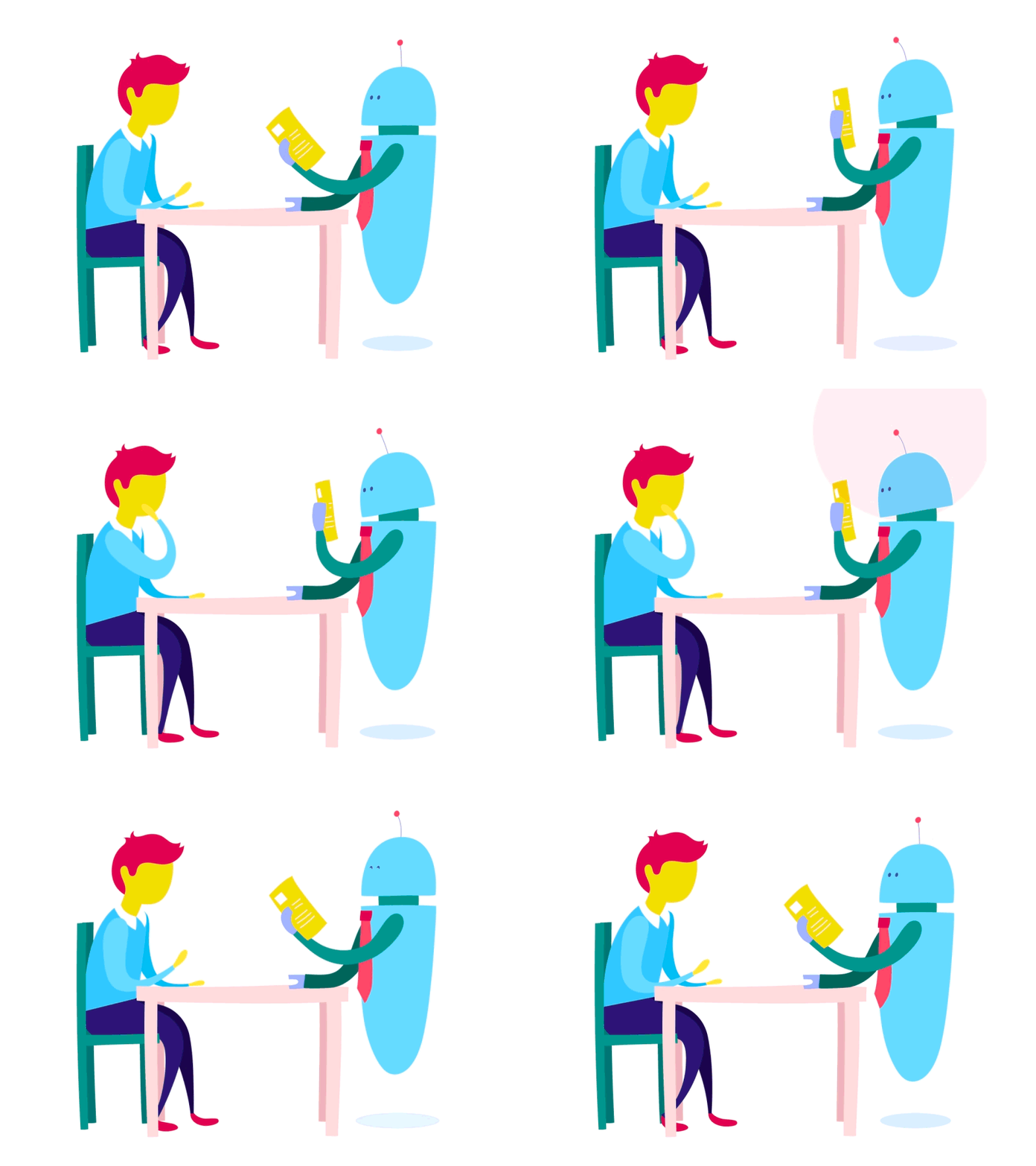
Above i have pinned a gif on how AI takes interviews of humans. AI is very much advanced today…..😅
Prompt must have given a certain topic 😅 There are many topics that I can discuss….Like some life history which can be discussed….learning & academic, science & Tech, Lifestyle, Mindfulness, Health tips etc……
Ok First let’s take a topic about AI Technology:
What is Natural Language Processing ( NLP)
Natural Language Processing (NLP) is a branch of AI focused on how computers interact with human language. Examples include language translation, sentiment analysis, chatbots, speech recognition, named entity recognition, text summarization, question answering systems, and language generation. NLP enables machines to understand, interpret, and generate human language, enhancing communication and enabling intelligent interactions between humans and computers.
Examples:
1. Language Translation: Google
2. TranslateSentiment Analysis: Social media monitoring tools
3.Chatbots: Virtual assistants like Siri
Chatbots employ NLP to understand user queries and provide appropriate responses in natural language. They can answer questions, provide customer support, or assist with tasks like booking appointments or ordering food, all through text or speech interactions.
4.Speech Recognition: Voice assistants like Alexa
5.Named Entity Recognition (NER): Information extraction systemsText
NLP algorithms can summarize long pieces of text by identifying key information and condensing it into a shorter form. This is useful for tasks like generating executive summaries, extracting main points from news articles, or summarizing research papers.
7.Question Answering Systems: Search engines Language
8.Generation: Content generation platforms
NLP models can generate human-like text based on input prompts. This is used in applications like content generation, storytelling, and dialogue systems, where the model generates coherent and contextually relevant text.
I hope everyone may be aware about it….Artificial intelligence…..Open AI
Chat GPT:
ChatGPT, short for Chat Generative Pre-trained Transformer, is like a 🤖 chatty robot brain made by OpenAI. It’s super smart and learns from tons of human conversations and internet text. It can chat with you, answer questions, and even tell jokes if you ask nicely. You might find it in customer service bots, language translators, or even your own virtual buddy! 😄🚀
Hey there! 🎉 Who needs a genie in a lamp when you’ve got ChatGPT? It’s like your all-in-one buddy for advice, directions, writing blogs 📝, and even scripting your next blockbuster! With ChatGPT 3, 4, and the supercharged ChatGPT 4 Gemini 🚀, it’s like having a whole squad of helpful pals. While ChatGPT 3 is limited to text generation. Newer versions like ChatGPT 4 and ChatGPT 4 Gemini offer advanced features….Need a graph 📊 or a fancy Excel sheet and Vba codes ? No problemo! Just toss in the right prompt and voila! 💫 It’s like magic! ✨
Hey there! 🌟 So, if you’re looking for a free plan, Microsoft’s Copilot might do the trick for making images and graphs with Bing’s help. But let’s be honest, it’s like comparing a doodle to a masterpiece! 🎨 That’s where GPT 4 Gemini shines bright, giving you top-notch results. And hey, OpenAI’s got loads more cool stuff waiting for you – just log in and take a peek! 💻✨
Comparison between bots and ChatGPT:
Bots:
Bots are automated programs designed to perform specific tasks or interact with users.
They follow predefined rules or scripts to carry out actions like answering questions or providing customer support.
Bots are often used in customer service, e-commerce, and social media.
ChatGPT:
ChatGPT is an AI model that can engage in conversations and generate human-like text.
It doesn’t rely on predefined rules but generates responses based on the context of the conversation.
ChatGPT is used in applications like virtual assistants, chatbots, and content generation platforms.
In short, bots are task-oriented and follow rules, while ChatGPT is more flexible and adapts to conversation contexts.
Next if i say it will be on online apps & website for making video & images using AI
1.🔍 Search Online: Open your browser and search for “AI tool to make video or images”.
2. 🖱️Explore Results: Browse through the results and check out different options.
3. 💳Check Plans: Some are free, others cost money. Look for what fits your budget.
4. ✅Choose a Tool: Click on one that catches your eye and learn more.
5. 📝Sign Up (if needed):Create an account if required. It’s like joining a fun club! 🎉
6. 🎬Enter Prompt or Script: Type in your idea and let the magic begin! ✨
7. 🎨Generate Content: Watch as your creation comes to life! 🌟
8. ✏️Edit (if needed): Tweak the slides to make them perfect. Add some sparkle! ✨
9. 🚀Explore and Enjoy: Your masterpiece is ready! Share it with the world and feel proud! 🎨Now go have fun and show off your awesome creations! 🌟
So, go ahead and give it a try! Who knows what amazing creations you’ll come up with? 🚀🎨
AI extends beyond text and graphics. There are online tools that generate videos based on provided prompts, offering options to edit video slides as well. However, it’s crucial to balance the use of AI with maintaining creativity, as overreliance on AI can stifle originality.
Moreover, AI finds applications in various fields such as email automation, voice calls, and machine learning, impacting daily activities and industries…. As I discussed in my earlier prompt.. blog post on AI you can get an idea about use of AI its boon and bane….. for more insights on AI , you can refer to articles like the one linked below:….
These are all the things or stuffs one can experiment on….
There are many topics that can be discussed but today I took AI😅. Since we all use it😁. Hope you found it informative folks!!! If any suggestion let me know in the comments below 🙂. And do explore the AI journey!!!!!
AI is like having a pet robot 🤖 that’s constantly learning new tricks. Just make sure it doesn’t learn to order pizza without you! 🍕😄
5. Challenges and Limitations in Conducting Clinical Trials
5.1 Recruitment and Retention of Participants
5.2 Data Quality and Integrity
6. Role of Participants in Clinical Trials
6.1 Understanding Participant Rights
6.2 Importance of Participant Compliance
7. Impact of Clinical Trial Results on Healthcare Practices
7.1 Implementation of New Treatments
7.2 Evidence-Based Medicine
8. Future Trends in Clinical Trial Research
8.1 Innovations in Trial Design
8.2 Personalized Medicine Approaches
9. Frequently Asked Questions (FAQ)
10. References
1.Introduction
Clinical trials play a pivotal role in advancing medical research and shaping the landscape of healthcare practices. These carefully designed studies are essential for evaluating the safety and efficacy of new treatments, diagnostic tools, and preventive measures. By adhering to strict protocols and ethical guidelines, clinical trials provide valuable insights that drive evidence-based medicine and improve patient outcomes.
In this article, we will delve into the fundamentals of clinical trials, exploring their significance, phases, ethical considerations, challenges, and the profound impact of trial results on healthcare practices 7,8.
1.1.Definition of Clinical Trials
Clinical trials are research studies that explore whether a medical strategy, treatment, or device is safe and effective for humans. These trials are essential for the development of new treatments and improving existing ones.
1.2.Historical Background of Clinical Trials
The world’s first recorded clinical trial can be found in the “Book of Daniel” in the Bible. This experiment, resembling a clinical trial, was not conducted by a medical professional but by King Nebuchadnezzar, a resourceful military leader. During his rule in Babylon, Nebuchadnezzar ordered his people to eat only meat and drink only wine, believing this diet would keep them in sound physical condition. However, several young men of royal blood preferred to eat vegetables instead 1
This ancient account provides a fascinating glimpse into early attempts at understanding the effects of different diets on health. While not conducted with the rigor of modern clinical trials, it demonstrates an early interest in evidence-based approaches to health and well-being. 🌿🍷
Clinical trials have come a long way since the days of questionable medical practices like bloodletting and leeches.
The first recorded clinical trial dates back to the 18th century when James Lind conducted experiments on sailors to discover the importance of citrus fruits in preventing scurvy. Early trials involved dietary therapies, such as legumes and lemons. However, the journey moved from dietary interventions to drugs, laying the groundwork for modern clinical research. Thankfully, today’s trials involve fewer leeches and more rigorous scientific methods1,2.
1.3.Landmark Trials and Medical Marvels:
Throughout history, numerous clinical trials have led to groundbreaking discoveries and medical breakthroughs that have transformed healthcare.
Examples include:
The Salk polio vaccine trial in the 1950s, which demonstrated the efficacy of the first successful polio vaccine, leading to the near-eradication of the disease 5,7.
The Women’s Health Initiative (WHI) trial in the 1990s, which challenged conventional wisdom regarding hormone replacement therapy and its impact on women’s health 6,7.
The development of highly active antiretroviral therapy (HAART) in the 1990s, which transformed HIV/AIDS from a death sentence to a manageable chronic condition 7.
1.4.Importance of Clinical Trials in Healthcare
1.4.1.Advancements in Medical Treatments
Clinical trials play a crucial role in advancing medical knowledge and developing new treatments for various diseases. Without clinical trials, we’d still be relying on outdated medical practices like using mercury to treat syphilis. Yikes.
1.4.2.Improving Patient Outcomes
Through clinical trials, healthcare providers can gather valuable data on the effectiveness and safety of treatments, ultimately leading to improved patient outcomes. After all, who wouldn’t want their treatment plan to be based on solid scientific evidence rather than guesswork?
2.Phases of Clinical Trials
Introduction to Clinical Trial
2.1.Phase 0: Exploratory Studies
Phase 0 trials involve a small number of participants and focus on exploring how a drug is metabolized and how it behaves in the human body. It’s like a sneak peek before the main event .
2.2.Phase I: Initial Testing on Humans
In Phase I trials, researchers determine the safety and appropriate dosage of a new treatment by testing it on a small group of healthy volunteers or patients. It’s like the trial version of a new medication, but with more supervision 7,8.
2.3.Phase II: Efficacy and Side Effects
Phase II trials involve a larger group of patients to assess the treatment’s effectiveness and potential side effects. It’s the moment of truth for the treatment to show what it’s made of 7,8.
2.4.Phase III: Large-Scale Testing
Phase III trials are large-scale studies that compare the new treatment with existing ones to evaluate its effectiveness, safety, and potential side effects. It’s like the treatment Olympics, with rigorous testing to see if it’s a gold medalist.
2.5.Phase IV: Post-Market Surveillance
Even after a treatment is approved and on the market, Phase IV trials continue to monitor its long-term effects and safety in a larger population. It’s like keeping an eye on your favorite superhero after they’ve saved the day 7,8.
3.Methodological Considerations:
3.1.Randomization
Random assignment of participants to treatment groups helps minimize bias and ensures comparability between groups, enhancing the validity of study findings 10.
3.2.Blinding
Single-blinded trials involve masking either the participants or the researchers, while double-blinded trials mask both, reducing the potential for bias in outcome assessment10.
The UK Medical Research Council (MRC) conducted the first double-blind controlled trial in 1943, using “patulin” for the common cold. This paved the way for the groundbreaking RCT of “streptomycin” in pulmonary tuberculosis in 1946 by the MRC 4.
3.3.Placebo Control
Placebo-controlled trials involve the use of a sham intervention in the control group to assess the true effect of the investigational treatment, particularly in evaluating subjective outcomes 10.
4.Ethics and Regulations in Clinical Trials
4.1.Informed Consent Process
Informed consent is a crucial part of clinical trials, ensuring that participants fully understand the risks and benefits of participating. It’s like signing up for a rollercoaster ride after reading the safety instructions – you should know what you’re getting into 7.
4.2.IRB Approval and Oversight
Institutional Review Boards (IRBs) oversee and approve the ethical conduct of clinical trials to protect the rights and welfare of participants. Think of them as the guardians of good research practices, making sure everything is above board.
4.3.Regulatory Authorities
a. Central Drugs Standard Control Organization (CDSCO) – India – The CDSCO oversees clinical trial approval, inspections, and oversight in India. – The Drugs Controller General of India (DCGI) heads the CDSCO, granting permissions for clinical trials and regulating drug sales and importation. – CDSCO ensures patient safety and adherence to Good Clinical Practice (GCP) standards3.
b. FDA Approval – United States
– The U.S. Food and Drug Administration (FDA) plays a pivotal role in clinical trials. – FDA reviews Investigational New Drug (IND) applications, ensuring safety and ethical compliance. – Clinical trials proceed only after FDA and local Institutional Review Board (IRB) approvals 12.
4.4. Helsinki Declaration
– The “Declaration of Helsinki” outlines ethical principles for medical research involving human subjects. – It prioritizes subject safety and benefits over all other goals. – Helsinki emphasizes genuine placebo effects and the overall therapeutic context 11.
4.5. Placebo in Clinical Trials
– Placebos, often sugar pills, serve as controls in clinical trials. – Recent research recognizes placebo effects as genuine psychobiological phenomena 9.
4.6. Quality Approval
– Quality assurance is integral to clinical trials. – Components include SOPs, scientific protocol design, investigator selection, informed consent, monitoring, and audits 12.
5.Challenges and Limitations in Conducting Clinical Trials
5.1.Recruitment and Retention of Participants
Recruiting participants for clinical trials can sometimes feel like trying to get a toddler to eat broccoli – tricky. Researchers often face challenges in finding suitable volunteers willing to commit to the study’s requirements. Factors like eligibility criteria, time commitments, and concerns about side effects can make recruitment a tough nut to crack. Retention is another hurdle. Keeping participants engaged throughout the trial can feel like herding cats. Researchers employ various strategies to keep participants on board, from clearer communication to incentives like gift cards or the occasional free pizza party 11.
5.2.Data Quality and Integrity
Data integrity in clinical trials is as crucial as getting your morning coffee fix. Ensuring accurate and reliable data is a top priority to draw valid conclusions. Challenges in data quality can arise from human error, faulty equipment, or even participants forgetting to fill out their diaries (we’ve all procrastinated on paperwork, right?). Researchers meticulously monitor data collection processes, conduct quality checks, and implement strict protocols to maintain the integrity of the information gathered. Think of it as data babysitting – constant supervision to prevent any shenanigans 3 .
6.Role of Participants in Clinical Trials
6.1.Understanding Participant Rights
Being a participant in a clinical trial comes with rights that even your favorite TV show character would envy. These rights ensure that participants are treated ethically, with respect, and the chance to make informed decisions. Before diving into a trial, participants receive detailed information about the study, potential risks, benefits, and their right to withdraw at any time. It’s like having a backstage pass – you get the full scoop and the power to leave the concert if it’s not your jam.
6.2.Importance of Participant Compliance
When it comes to clinical trials, being a compliant participant is like following a recipe – crucial for success. Participants play a vital role in the study’s outcome by following the protocol as prescribed. This means taking medications as instructed, attending appointments, and providing accurate information. Think of it as a team sport – everyone needs to play their part to score that winning goal.
7.Impact of Clinical Trial Results on Healthcare Practices
7.1.Implementation of New Treatments
Clinical trial results can shake up the healthcare scene like a trendy new dance move. Positive outcomes from trials often lead to the implementation of new treatments that improve patient care. Healthcare providers eagerly await trial results like kids waiting for the ice cream truck, ready to incorporate innovative therapies into their practice. It’s like upgrading from an old flip phone to the latest smartphone – a game-changer in improving patient outcomes 11.
7.2.Evidence-Based Medicine
Clinical trial results form the backbone of evidence-based medicine – the gold standard in healthcare decision-making. Doctors rely on solid trial data to guide their treatment recommendations, ensuring patients receive the most effective care. It’s like having a trustworthy GPS system for healthcare – helping providers navigate the best treatment paths for their patients 7.
8.Future Trends in Clinical Trial Research
8.1.Innovations in Trial Design
The world of clinical trial research is evolving faster than a superhero movie franchise. Innovations in trial design, such as adaptive trials or virtual platforms, are revolutionizing how studies are conducted. These new approaches aim to make trials more efficient, flexible, and patient-centered. It’s like upgrading from a boring flip phone to a sleek, high-tech smartphone with all the cool features – the future of clinical trials is looking pretty snazzy.
Facts and Myths about Clinical Trials
8.2.Personalized Medicine Approaches
Say goodbye to the one-size-fits-all approach in medicine – personalized medicine is here to steal the spotlight. Clinical trials are increasingly focusing on tailored treatments based on individual characteristics like genetics or lifestyle factors. This approach aims to optimize treatment outcomes by delivering customized care to each patient. It’s like having a bespoke suit made just for you – personalized medicine is shaping the future of healthcare with precision and style.
In conclusion, clinical trials stand as pillars of scientific discovery and progress in healthcare. By continuously pushing the boundaries of medical knowledge and innovation, these trials pave the way for groundbreaking advancements that benefit patients worldwide. As we look towards the future, the evolution of clinical trial research promises to revolutionize personalized medicine and shape the future of healthcare 7,8.
Remember, the charm of history lies in its enigmatic lesson: “Nothing changes, yet everything is completely different”
Aldous Huxley
9.Frequently Asked Questions
Why are clinical trials important in healthcare?
What are the different phases of clinical trials and their significance?
How are participants protected in clinical trials?
How do the results of clinical trials influence healthcare practices?
Answers:
Importance of Clinical Trials:
Clinical trials are like scientific adventures! 🌟 They’re essential because they:
Test New Ideas: Imagine trying out a new recipe—clinical trials do that with medical treatments. They evaluate new drugs, therapies, and interventions.
Improve Medicine: Just like a superhero’s suit gets better with each upgrade, clinical trials help improve healthcare by providing evidence-based information.
Save Lives: By figuring out what works (and what doesn’t), clinical trials save lives and make our world healthier.
Phases of Clinical Trials and Their Significance:
Phase 0: The “tiny taste” phase. Researchers test super-low doses on a handful of brave volunteers to understand how the drug behaves.
Phase I: Like a dress rehearsal with healthy volunteers. They check safety, dosage, and side effects.
Phase II: The “real deal” with a larger group of people who have the condition. Does the treatment work? Is it safe?
Phase III: The blockbuster phase! Big trials confirm effectiveness, compare with existing treatments, and keep an eye on side effects.
Phase IV: After the movie’s out, we still watch it! Post-approval surveillance ensures long-term safety and effectiveness.
Participant Protection in Clinical Trials:
Informed Consent: Participants get the full scoop—risks, benefits, and their superhero rights.
Ethical Guardians: Institutional Review Boards (IRBs) make sure everything’s ethical and fair.
Adverse Event Reporting: Researchers report any unexpected twists.
Exit Door: Participants can leave the adventure anytime without penalties.
Influence of Clinical Trial Results on Healthcare Practices:
Doctor’s Orders: Clinicians use trial results to prescribe treatments.
Guidelines: Clinical practice guidelines (like rulebooks) incorporate evidence from well-done trials.
Medication Green Light: Regulatory agencies approve new drugs based on trial data.
Healthcare Evolution: As trial evidence grows, healthcare practices adapt and improve.
Remember, clinical trials are like quests—full of challenges, discoveries, and hope! 🌱🔬
Any doubt or questions regarding this topic….. use the Chat Box Below. Happy Exploring……
10.References:
Click on styles to see the 1 to 8 research paper and videos references…….
Vancouver Style (👈Click here )
Bhatt A. Evolution of clinical research: a history before and beyond james lind. Perspect Clin Res. 2010 Jan;1(1):6-10. PMID: 21829774; PMCID: PMC3149409
Lind J. A Treatise of the Scurvy. Edinburgh: Sands, Murray, and Cochran; 1753.
International Conference on Harmonization. Good Clinical Practice. 1996.
Medical Research Council. Streptomycin treatment of pulmonary tuberculosis. Br Med J. 1948;2(4582):769-782.
Smith J, Brown IE. The Salk Polio Vaccine Field Trial of 1954. Am J Public Health Nations Health. 1955;45(5):1-63.
Women’s Health Initiative Study Group. Design of the Women’s Health Initiative clinical trial and observational study. Control Clin Trials. 1998;19(1):61-109.
RittuSaraRaju. Introduction to Clinical Trials – “Unveiling the Science Behind Clinical Trials.” Lifestyle Health Science. 2024 Mar 31. Available from : (https://youtu.be/ynzPEcnnNLg)
Bhatt, A., 2010. Evolution of clinical research: a history before and beyond James Lind. Perspectives in Clinical Research, 1(1), pp.6-10. Available at: PMID: 21829774, PMCID: PMC3149409.
Lind, J., 1753. A Treatise of the Scurvy. Edinburgh: Sands, Murray, and Cochran.
International Conference on Harmonization, 1996. Good Clinical Practice.
Medical Research Council, 1948. Streptomycin treatment of pulmonary tuberculosis. British Medical Journal, 2(4582), pp.769-782.
Smith, J. and Brown, I.E., 1955. The Salk Polio Vaccine Field Trial of 1954. American Journal of Public Health and the Nations Health, 45(5), pp.1-63.
Women’s Health Initiative Study Group, 1998. Design of the Women’s Health Initiative clinical trial and observational study. Controlled Clinical Trials, 19(1), pp.61-109.
RittuSaraRaju. (2024). Introduction to Clinical Trials – “Unveiling the Science Behind Clinical Trials.” Lifestyle Health Science. YouTube Available from: (https://youtu.be/ynzPEcnnNLg)








 Lifestyle Science & health