For decades, the pipeline for new antibiotics ran dry. We were facing a silent pandemic of antimicrobial resistance (AMR), where common infections once easily treated were becoming deadly again. The rise of “superbugs” like MRSA and drug-resistant Gonorrhea loomed large, threatening to send us back to a pre-antibiotic era. But as of early 2026, a new hero has emerged in this fight: Artificial Intelligence.
AI isn’t just speeding up discovery; it’s fundamentally changing how we find and design life-saving drugs. Welcome to the second golden age of antibiotics.
From Haystacks to Blueprints: AI’s New Approach
Historically, finding new antibiotics was like searching for a needle in an immense chemical haystack. Scientists would screen thousands upon thousands of compounds, hoping to stumble upon one that killed bacteria without harming humans. It was slow, expensive, and increasingly fruitless.
”Enter AI” is the moment the narrative shifts from “human struggle” to “machine-augmented triumph.” It marks the transition from the Antibiotic Winter (1980s–2010s) to the Digital Spring.
1. The Shift from Luck to Logic
Before AI, discovery was often accidental (like Fleming finding mold on a petri dish). “Enter AI” means we now use Deep Learning to see patterns in molecular structures that are invisible to the human eye.
The Halicin Example: In 2019, the AI wasn’t told what an antibiotic looks like; it was told to find molecules that behave like one. It identified Halicin (originally a failed diabetes drug) because it “saw” a unique way the molecule could disrupt the flow of protons across a bacterial membrane.
2. Sifting Through the “Chemical Universe”
There are an estimated 10^{60} potential drug-like molecules—more than there are stars in the galaxy. Humans could only ever test a tiny fraction.
Enter AI: Machine learning models act as a high-speed “sifter.” In the case of Abaucin (discovered in 2023), AI screened 6,680 compounds in an afternoon and narrowed them down to 240 for physical testing. This would have taken humans years of manual labor.
3. The 2026 Context: Generative vs. Predictive
When you write “Enter AI” today, you are talking about Generative Chemistry.
Predictive AI (2019): “Does this existing molecule work?”
Generative AI (2026): “I need a molecule that is shaped like this and sticks to that specific bacterial protein. Build it for me.”
Enter AI. Early breakthroughs saw machine learning models rapidly sifting through existing databases, identifying compounds that humans had overlooked. The antibiotic Halicin, discovered by MIT in 2019, was a prime example. AI predicted it would kill bacteria, and it worked, even against notoriously tough pathogens like C. diff and Tuberculosis.
But today, AI has evolved beyond just screening. We’ve moved into the realm of Generative AI, where the intelligence isn’t just finding existing solutions; it’s creating entirely new ones from scratch.
Designing Drugs “From Atom One”
In late 2025, MIT’s groundbreaking Antibiotics-AI Project announced two game-changing compounds: NG1 and DN1. These weren’t repurposed drugs; they were designed molecule by molecule by AI:
NG1: This compound was specifically engineered to combat drug-resistant Gonorrhea. It targets a bacterial protein called LptA, crucial for building the outer membrane – a target that human chemists had previously struggled to hit effectively.
DN1: Built atom by atom, DN1 is designed to fight MRSA (Methicillin-resistant Staphylococcus aureus), a notorious hospital superbug. The AI started with fundamental chemical elements and iteratively constructed a molecule lethal to bacteria but safe for human cells.
This capability to “write” new chemical structures allows us to explore vast areas of the molecular universe that human intuition alone might never consider.
Mining the “Microbial Dark Matter”
Beyond synthetic design, AI is also uncovering ancient secrets. A massive study leveraging machine learning recently scanned the Earth’s “global microbiome”—the collective genetic material of countless microbes found in soil, oceans, and even ancient remains.
The results were astonishing: the AI identified nearly 1 million new antimicrobial molecules hidden within this genomic data. In a truly mind-bending development, researchers even used AI to “de-extinct” molecules from the DNA of Woolly Mammoths and giant sloths, discovering that these ancient proteins could still combat modern-day superbugs. It’s like finding a biological time capsule filled with new weapons.
Unveiling the “How”: Mechanism of Action Solved
One of the greatest challenges in drug discovery has always been understanding the “Mechanism of Action” (MOA)—precisely how a drug kills its target. Without this understanding, clinical development is a long and risky gamble.
In October 2025, a new AI model called DiffDock, developed by researchers at McMaster and MIT, began to solve this “black box” problem. DiffDock doesn’t just identify potential drugs; it provides a 3D simulation of how the drug molecule “docks” into a bacterial cell, showing exactly which proteins it binds to and how it disrupts essential bacterial functions. This insight is poised to dramatically accelerate the drug development and FDA approval process, potentially saving years of research.
The Future is Now: Key AI-Discovered Antibiotics
The table below highlights some of the most promising AI-discovered antibiotics and their current status:
Name
Target Pathogen
Status (as of Jan 2026)
Halicin
E. coli, C. diff, TB
In advanced preclinical trials; demonstrating low human toxicity.
Abaucin
A. baumannii (Hospital superbug)
Moving toward Phase 1 clinical trials, showing promise against a particularly tenacious pathogen.
NG1 / DN1
Gonorrhea / MRSA
The most recent generative AI successes (2025); currently undergoing “refinement” by Phare Bio, a leading AI drug discovery company.
A Glimmer of Hope in the War Against Superbugs
The ability of AI to explore novel chemical spaces, discover hidden molecules in ancient biology, and rapidly elucidate complex mechanisms of action has reignited hope in the fight against antimicrobial resistance. We are no longer limited by human intuition or the slow pace of traditional lab work. With AI as our ally, we are now better equipped than ever to outsmart the evolving threats of superbugs and secure a healthier future.
I have curated a list of the primary research papers and news reports from the leading institutions mentioned MIT, University of Pennsylvania, and Nature Microbiology.
”In a study published in Nature Microbiology, researchers from MIT and McMaster University demonstrated how the AI tool DiffDock can visualize a drug’s ‘docking’ process…”
”According to MIT News, the newly generated compound NG1 targets the LptA protein, a mechanism never before exploited by human-designed drugs.”
A new era dawns in 2025: From the powerful launches of traditional rockets to the futuristic marvels of commercial space stations, humanity is witnessing an unprecedented expansion into the cosmos. Private ventures, national ambitions, and advanced AI are jointly shaping our cosmic future.
Remember those old sci-fi movies where space travel was just a dream, reserved for a select few government astronauts? Well, buckle up, because the future is here, and it’s far more exciting than anyone could have imagined! What was once the exclusive domain of national space agencies has rapidly evolved into a vibrant, dynamic landscape where private companies, international collaborations, and cutting-edge technology are redefining humanity’s relationship with the cosmos.
2025 isn’t just another year on the calendar; it’s a pivotal moment for space enthusiasts and anyone curious about humanity’s next giant leap. From the thrilling expansion of commercial space tourism to ambitious missions aiming for Mars and the Moon, and the silent, intelligent power of AI guiding our robotic explorers, this year is truly a beacon for our cosmic future. Let’s dive in and explore how these incredible advancements are shaping the next era of space exploration!
2. 🚀 Commercial Space Travel: A Ticket to Orbit
Commercial Space Travel
The image of an astronaut has changed. In 2025, space is no longer just for government employees; it’s a destination for high-net-worth individuals and, increasingly, for private researchers and film crews. This shift is primarily driven by three key players: SpaceX, Blue Origin, and Virgin Galactic.
2.1. The Companies and the Experience
Blue Origin (Jeff Bezos): Focused on suborbital tourism with its New Shepard rocket, Blue Origin offers a few minutes of weightlessness above the Kármán Line (the internationally recognized boundary of space). They continue to perform frequent human spaceflights in 2025, giving civilian passengers a brief but breathtaking view of Earth from space [2.1].
SpaceX (Elon Musk): SpaceX dominates the orbital and deep-space market. Through partnerships with companies like Axiom Space, SpaceX’s Crew Dragon capsule routinely ferries private astronauts for multi-week stays on the International Space Station (ISS). They are also laying the groundwork for ambitious tourist missions around the Moon with the future Starship vehicle [2.2].
Virgin Galactic (Richard Branson): While the company temporarily paused regular commercial flights in 2025 to transition to their higher-frequency Delta-class spaceplanes (with commercial flights expected to resume in 2026), they remain a key competitor in the suborbital experience market [2.3].
2.2. Cost and Who Can Go
While the long-term trend is toward lower prices, space tourism in 2025 remains highly exclusive:
Suborbital Flights: A ticket for a brief journey to the edge of space with companies like Blue Origin or Virgin Galactic costs between $250,000 and $450,000 USD[2.1, 2.4].
Orbital Missions: A week-long trip to the ISS, facilitated by companies like Axiom Space using a SpaceX Crew Dragon capsule, comes with a price tag of around $55 million USD per person [2.2, 2.5].
Despite the hefty price tag, the market is exploding. The global space tourism market is projected to grow from an estimated $1.1–$1.6 billion USD in 2025 to a staggering $18.4 billion USD by 2033, driven by high demand, advancements in reusable rocketry, and significant investment from the private sector [2.6, 2.7, 2.8].
2.3. Safety and Regulations
With increasing frequency, ensuring passenger safety is paramount. Commercial space companies adhere to rigorous testing and flight protocols. Furthermore, aspiring space tourists undergo thorough medical examinations and extensive training—lasting from a few days for short suborbital hops to several months for orbital missions—to prepare them for the physical and mental demands of space travel [2.1, 2.9].
3. 🌕 Mars and Lunar Missions: The Great International Race
The Great International Race
While commercial ventures are focusing on near-Earth opportunities, national space agencies are leading the charge for the next great milestones: establishing a permanent presence on the Moon and sending humans to Mars.
3.1. Destination Moon: Artemis and International Collaboration
The Moon is no longer a distant memory; it’s the next proving ground. NASA’s Artemis Program aims to land the first woman and the next man on the Moon, with the long-term goal of establishing a sustainable base. Key international partners like the European Space Agency (ESA), India’s ISRO, and others are critical to this vision through the Artemis Accords[3.1, 3.2].
On the commercial side, missions like Blue Ghost Mission 1 successfully demonstrated the landing of commercial payloads on the lunar surface in early 2025, paving the way for the infrastructure needed for human bases [3.3].
3.2. Heading to Mars: Rovers and the Roadmap to Crewed Missions
On the Red Planet, NASA’s Curiosity and Perseverance rovers continue their remarkable work, analyzing soil, capturing stunning panoramas, and collecting samples that may hold evidence of ancient microbial life [3.4].
Meanwhile, two small NASA spacecraft, ESCAPADE, were launched in late 2024 to study how the solar wind strips away the Martian atmosphere—a key factor in preparing for future human exploration [3.5, 3.6]. While China is planning its own Mars sample-return missions for the early 2030s, the international community continues to work on the complex engineering and life support systems required for a human crewed mission, which remains the long-term goal [3.7].
4. 🤖 AI and Robotics: The Unblinking Eye of Exploration
AI and Robotics: The Unblinking Eye of Exploration
If space missions were a human body, AI would be the brain and robotics would be the hands and feet. The vast, often hazardous, and time-delayed environment of space makes real-time human control impossible for deep-space missions. This is why AI and autonomous robotics are no longer helpful tools—they are essential infrastructure[4.1, 4.2].
4.1. Navigating the Unknown
On Mars, the rovers are already showcasing the power of AI-driven autonomy.
Autonomous Navigation (AutoNav): For rovers like Perseverance, over 88% of their driving is done autonomously[4.3]. AI algorithms analyze the terrain, identify hazards (like large rocks or steep inclines), and plot the safest, most efficient path forward—all in real-time. This capability is crucial because a simple command from Earth can take over 20 minutes to reach Mars, making human teleoperation impractical [4.4].
Scientific Data Selection: AI systems like AEGIS (Autonomous Exploration for Gathering Increased Science) allow rovers to autonomously analyze images and scientific data, identifying targets of interest (e.g., a specific rock formation or mineral vein) and prioritizing them for further study, ensuring that no valuable discovery is missed while waiting for human instruction [4.5].
4.2. Robotic Assistants and Autonomous Craft
The integration of smart robotics extends beyond planetary surfaces:
Free-Flying Assistants: On the International Space Station (ISS), small, free-flying robots like Astrobee are leveraging AI algorithms, including reinforcement learning, to autonomously perform routine tasks. They monitor cabin air quality, take inventory, and act as sensor platforms, freeing up astronauts’ time for critical scientific work [4.6].
Deep Space Autonomy: As future missions push out to Jupiter’s moon Europa or Saturn’s moon Titan, AI will manage almost every aspect of the spacecraft. This includes fault detection, system diagnosis, and making course corrections without human intervention. This full autonomy is the only way to ensure mission success when communication lags are measured in hours [4.7].
In essence, AI turns expensive, fragile human explorers into powerful, hyper-efficient scientific outposts, drastically expanding the scope of what we can achieve in space.
5. 💰 The Space Economy: Billion-Dollar Ventures in Orbit
The Space Economy: Billion-Dollar Ventures in Orbit
The rise of commercial spaceflight is just one piece of a much larger puzzle: the burgeoning space economy. What was once seen as a cost center for governments is now a booming trillion-dollar industry poised to redefine global commerce and investment.
5.1. Infrastructure and Internet in the Sky
The biggest driver of the 2025 space economy isn’t tourism; it’s infrastructure:
Satellite Internet: Companies like SpaceX’s Starlink and others are rapidly deploying constellations of Low-Earth Orbit (LEO) satellites to provide global, low-latency internet access. This service is transforming connectivity for remote regions, ships at sea, and military applications, representing a massive and reliable revenue stream [5.1].
On-Orbit Servicing: A growing number of startups are focusing on life-extension services for aging satellites, using robotic vehicles to refuel, repair, or reposition them. This practice saves billions in replacement costs and reduces the risk of space debris [5.2].
5.2. New Frontiers: Mining and Manufacturing
Looking ahead, investors are focusing on two long-term, high-reward sectors:
Asteroid Mining: While still in the developmental phase, the technological viability of extracting valuable resources like water (for rocket fuel) and rare metals (for use on Earth) from Near-Earth Asteroids (NEAs) is driving serious investment and planning [5.3].
Space Manufacturing: The unique microgravity environment is ideal for creating ultra-pure materials, advanced semiconductors, and even biomedical products that cannot be made on Earth. Private space stations, such as those planned by Axiom Space, will serve as orbital factories [5.4].
The convergence of reliable commercial launch systems, smart robotics, and massive data flow has made space a compelling frontier for venture capital and private equity, transforming it from a government project into the world’s next great growth sector [5.5].
6. 🔭 Future Possibilities: From Tourism to Colonization
Future Possibilities: From Tourism to Colonization
The rapid advancements we’re seeing in 2025 are not just about reaching space; they’re about staying there. The ultimate goal of many space ventures, both governmental and private, is to establish a permanent human presence beyond Earth.
6.1. Colonization Prospects: Mars, Moon, and Beyond
Lunar Bases: The Artemis Program isn’t just about landing astronauts; it’s about building a sustainable presence on the Moon. Plans include the Gateway (a lunar-orbiting outpost) and permanent habitats on the lunar surface, potentially utilizing lunar ice for water and rocket fuel. These bases will serve as critical stepping stones for deeper space exploration, including Mars [6.1].
Mars Colonization: While humans on Mars might still be a decade or more away, the preparatory work is accelerating. SpaceX’s Starship is designed with Mars colonization in mind, envisioning transporting hundreds of people and vast amounts of cargo. The development of closed-loop life support systems, radiation shielding, and in-situ resource utilization (ISRU) technologies are all progressing rapidly, bringing the dream of a multi-planetary species closer to reality [6.2, 6.3].
Beyond: Concepts for floating cities in Venus’s upper atmosphere, mining outposts on asteroids, and even orbital habitats like the O’Neill Cylinders are moving from pure science fiction to serious engineering discussions, as the fundamental technologies become more viable [6.4].
6.2. Space Tourism: Beyond the Ultra-Rich
While space tourism in 2025 is largely for the affluent, the trajectory is clear: prices will fall, and access will broaden.
Mid-2030s Projections: As launch costs continue to plummet due to reusable rockets and increased competition, experts predict that suborbital flights could become accessible to a much broader market, potentially dropping to prices comparable to a luxury cruise [6.5].
“Space Hotels”: Concepts for orbital hotels are already on the drawing board, offering longer stays with more amenities, as regular orbital flights become commonplace. Imagine waking up to a panoramic view of Earth, enjoying zero-gravity sports, or even taking a spacewalk as part of your vacation! [6.6]
The ambition is no longer just to visit space but to live, work, and thrive there, creating new economies and opportunities for humanity.
7. ✨ Conclusion: Your Role in Humanity’s Space Future
Conclusion: Your Role in Humanity’s Space Future
2025 stands out as a landmark year, not just for incremental progress, but for fundamental shifts in how humanity interacts with space. We’ve witnessed the exhilarating rise of commercial space travel, transforming astronauts from an elite few into a burgeoning community of private citizens and researchers. We’ve tracked ambitious Mars and Lunar missions, laying the groundwork for sustainable outposts beyond Earth. And we’ve seen AI and robotics emerge as indispensable partners, extending our reach and intelligence across the vastness of the cosmos.
The space economy is booming, attracting unprecedented investment and innovation, from satellite internet to the first whispers of asteroid mining. And looking ahead, the future possibilities are breathtaking, ranging from democratized space tourism to the awe-inspiring vision of human colonization on other worlds.
This isn’t just a story for scientists and billionaires; it’s a narrative for all of us. The advancements happening today will shape our future in profound ways, creating new industries, solving global challenges, and perhaps, fundamentally altering our place in the universe. As we gaze up at the night sky in 2025, it’s clearer than ever that humanity’s cosmic future isn’t just out there—it’s here, unfolding before our very eyes. What role will you play in it?
8. Citations:
[2.1] Blue Origin. (n.d.). New Shepard: Experience Space. Retrieved from https://www.blueorigin.com/new-shepard (Illustrative, as exact 2025 operations and pricing can vary)
[6.3] The Mars Society. (n.d.). Mars Colonization. Retrieved from https://www.marssociety.org/ (Illustrative of ongoing efforts and concepts).
[6.4] National Space Society. (n.d.). Space Settlements. Retrieved from https://space.nss.org/settlement/ (Discusses O’Neill Cylinders and other concepts).
[6.5] UBS. (2022). The Space Economy: Investing in the Final Frontier. (Projections for space tourism accessibility).
[6.6] Orbital Assembly. (n.d.). Voyager Station. Retrieved from https://orbitalassembly.com/ (Illustrative of commercial space hotel concepts).
We all know helium, right? It’s that fun gas that makes balloons float and, yes, even gives you that funny high-pitched voice. But what most people don’t realize is that this seemingly simple element holds a truly astonishing secret when pushed to extreme temperatures. Forget everything you thought you knew about liquids, because when helium gets cold enough, it transforms into something truly out of this world: a superfluid.
What is Helium?
Helium (He) is an element with an atomic number of 2. It is a noble gas, meaning it is stable and does not readily react with other elements.
The Chilling Transformation: Two Peculiar Liquid States
To witness helium’s most peculiar properties, you need to cool it down – way down.
We’re talking about temperatures almost at absolute zero (-460°F or -273°C), the lowest temperature possible.
When helium is just a few degrees below its boiling point of –452°F (–269°C), it can suddenly do things that other fluids can’t.
It enters a liquid state where it can dribble through molecule-thin cracks and even climb up and over the sides of a dish.
But the real mind-bender happens when the temperature drops further.
The helium transforms into a superfluid—a liquid that flows without friction.
Imagine this:
● Defying Gravity: This isn’t just a cold liquid; it’s a liquid that flows against gravity! It will start running up and over the lip of a glass container, a sight that truly defies our everyday understanding of fluids.
● Perpetual Motion: If you set a normal liquid circulating in a cup, it will eventually stop due to atoms colliding and slowing down. But with superfluid helium? “If you did that with helium at low temperature and came back a million years later,” “it would still be moving.” This frictionless flow means that once set in motion, the atoms in superfluid helium encounter absolutely no resistance, allowing them to circulate indefinitely.
So, the next time you encounter helium, remember its hidden potential. While it might seem like a simple, playful gas, cooling it down reveals a truly astonishing side—a liquid that literally defies the laws of our everyday experience.
Small Note:
This post includes affiliate links — if you buy something, I may earn a small commission.
👉 Collagen is a natural protein that keeps your skin firm and bouncy — but our body makes less of it every year.That’s why I would suggest to take collagen supplements to support glow and joints.
🫀 Boost Your Heart Health Naturally!Fuel your body with the power of Omega-3 — supports heart, brain & joint health. 🌿💊 Clean, effective & easy to take.
As humanity ventures further into space, understanding how the human body responds to the unique conditions of space travel becomes increasingly crucial. One groundbreaking technology aiding this research is the organ-on-chip. These microfluidic devices, which mimic the structure and function of human organs, are revolutionizing our approach to studying human biology in space.
1. What is Organ-on-Chip Technology?
Organ-on-chip devices are small, transparent chips that house living human cells in a microenvironment that simulates the architecture and function of human organs. These chips can replicate the physiological responses of tissues and organs, providing a more accurate model for studying biological processes than traditional cell cultures or animal models.
Credit : ( Manufacturer ) Organ-on-chip
2. Why Use Organ-on-Chip in Space?
Space presents a unique set of challenges for human health, including microgravity, increased radiation exposure, and isolation. Organ-on-chip technology allows scientists to study these effects in a controlled manner, providing insights that are critical for the safety and well-being of astronauts on long-duration missions.
3. Key Applications in Space Research
3.1. Microgravity Studies:
Microgravity affects cellular and tissue functions in ways that are not fully understood. Organ-on-chip devices can simulate the effects of microgravity on various human tissues, such as heart, lung, and muscle, helping researchers understand how these changes might impact astronaut health.1
3.1.1.Example:
Heart tissue chips have been used to investigate changes in cardiac function due to microgravity. These studies have shown that microgravity can alter the way heart cells contract and communicate, which could have implications for astronaut health on long missions.2
3.2. Radiation Exposure:
Space missions expose astronauts to higher levels of cosmic radiation, which can damage cells and tissues. Organ-on-chip systems can model the effects of this radiation on human tissues, aiding in the development of protective measures and treatments.3
3.2.1.Example:
Researchers have used organ-on-chip devices to study the effects of cosmic radiation on human skin cells. These studies help in developing strategies to protect astronauts from the harmful effects of radiation during long-term space missions.
3.3. Muscle and Bone Health:
Prolonged exposure to microgravity leads to muscle atrophy and bone density loss. Muscle-on-chip and bone-on-chip devices are used to study these effects and test potential countermeasures, such as drugs that promote muscle regeneration and bone health.1
3.3.1.Example:
Muscle-on-chip devices have been used to test drugs that could prevent muscle wasting in astronauts. These studies are crucial for maintaining astronaut health during extended missions to Mars and beyond.
3.4. Disease Modeling and Drug Testing:
The space environment can accelerate the progression of certain diseases. Organ-on-chip devices can model these diseases more accurately in microgravity, allowing for the testing of new drugs and treatments in a space-relevant context.3
3.4.1.Example:
Organ-on-chip technology has been used to model lung diseases in microgravity, providing insights into how these conditions might progress differently in space and how they can be treated effectively.
4. Real-World Examples
4.1. NASA’s Tissue Chips in Space Program:
This initiative aims to use tissue chips to study the effects of spaceflight on human health. Experiments have included heart, lung, and muscle tissues to understand how they respond to the space environment. For instance, heart tissue chips have been used to investigate changes in cardiac function due to microgravity.1
4.2. Emulate’s Human Emulation System:
Emulate has partnered with NASA to send their organ-on-chip technology to the International Space Station (ISS). These experiments focus on understanding how space conditions affect human cells and tissues, providing valuable data for future space missions.4
4.3. Advanced Space Research:
Researchers are using organ-on-chip devices to study the effects of cosmic radiation on human tissues. These studies help in developing strategies to protect astronauts from the harmful effects of radiation during long-term space missions.
5. Future Prospects
The potential of organ-on-chip technology in space research is vast. As we prepare for missions to Mars and beyond, understanding how the human body adapts to space will be crucial. Organ-on-chip devices will play a key role in this research, helping to ensure the health and safety of astronauts on these pioneering journeys.
6. Conclusion
Organ-on-chip technology is a powerful tool in the quest to understand human biology in space. By simulating the conditions of space travel, these devices provide invaluable insights into how our bodies respond to the challenges of microgravity, radiation, and isolation. As we continue to explore the final frontier, organ-on-chip technology will be at the forefront of ensuring that our journeys are safe and successful.
Hope you like this blog folks . If any suggestions let know in the comments below and be free to discuss on this topic. Comments are appreciated .If anyone one want to add something new or share their knowledge or add on to this topic can ping below in the comments session…..A chip in space……Also do watch my youtube reels shared above on Organ-on-chip 😀
In the realm of academic writing, proper citation is more than a formality—it is the foundation of intellectual honesty. By giving credit to original authors, researchers avoid plagiarism and enhance the credibility of their work. Citations ensure proper attribution, clarity, and the traceability of research sources across global academic communities.
This guide explores the most widely recognized formats—APA, MLA, Harvard, Chicago, IEEE, Vancouver, AMA, and Turabian—providing examples, common mistakes, and practical tips for mastering each in the current scholarly landscape.
Major Citation Styles and Their Purpose
A wide range of citation styles exists, each tailored to specific academic needs. APA and Harvard styles, which follow the author-date format, are widely used in business, psychology, and social sciences because they highlight the recency of information. MLA focuses on author-page citation and is commonly used in humanities for precise textual referencing. Chicago style offers both note-based and author-date systems, making it versatile for history, arts, and business writing. Vancouver and AMA use numeric systems that are efficient for medical and clinical research, while IEEE is commonly used in engineering and technology fields. ACS is specifically designed for chemistry, emphasizing structured formatting and journal abbreviations, whereas CSE supports biological sciences with multiple citation options. Legal systems such as Bluebook and OSCOLA prioritize authority and formal structure in legal documentation.
1. Understanding Citation Essentials
Before exploring specific styles, it is important to understand how digital sources are identified in 2026:
DOI (Digital Object Identifier): A unique alphanumeric string assigned to digital publications, ensuring permanent and stable access. In professional research, DOIs are preferred over URLs because they do not suffer from “link rot.” Current standards require DOIs to be presented as live hyperlinks starting with https://doi.org/.
URL (Uniform Resource Locator): A web address used to locate online resources. URLs should be accurate and functional, especially when a DOI is unavailable.
2. Core Citation Styles by Discipline
✍️ Understanding “et al.” in Citation
In academic writing, the term et al. is used to simplify citations that involve multiple authors. It comes from the Latin phrase et alii, meaning “and others,” and helps avoid long, repetitive author lists in in-text citations. Instead of listing every author, only the first author’s name is written followed by et al., making the text cleaner and more readable.The use of et al. depends on the citation style. In APA (7th edition), it is used for in-text citations when a source has three or more authors, for example (Sharma et al., 2022), while the full list of authors is still included in the reference section. Harvard style follows a similar approach. In MLA, et al. is used for sources with three or more authors in both in-text and reference entries. In numeric styles such as Vancouver and AMA, et al. is mainly used in the reference list when there are many authors, usually after listing the first few.It is important to format it correctly: et al. should be italicized, include a period after “al.”, and never be written incorrectly as “et. al.” Proper usage improves readability and maintains professional academic standards.
APA Style (7th Edition)
Best for: Social Sciences, Psychology, Education, Business.
In-Text Format: (Author, Year) → (Brown, 2021).
Reference: Brown, A. (2021). Mindfulness and stress reduction. Oxford University Press.
2026 Updates: Surnames and initials for up to 20 authors must now be provided in the reference entry before using ellipses. Publisher locations are no longer required.
Harvard Style
Best for: General Humanities & Social Sciences (International).
In-Text Format: (Author Year) → (Taylor 2020). Note that many versions omit the comma between the author and year.
Reference: Taylor, R. (2020) Mindfulness in modern life. Cambridge University Press.
MLA Style (9th Edition)
Best for: Humanities, Literature.
In-Text Format: (Author Page) → (Johnson 123).
Works Cited: Johnson, Emily. Mindfulness in Therapy. Houghton Mifflin, 2020.
Key Feature: Uses a “container system” to handle complex digital sources like streaming media and online archives.
Vancouver Style (ICMJE 2026)
Best for: Medicine, Life Sciences, and Research Writing.
In-Text Format: Numbered (1) or superscript ^1 in order of appearance.
Reference: 1. Brown A. Mindfulness and stress reduction. Oxford University Press; 2021.
👉 2026 Update: The January 2026 update to the ICMJE Recommendations includes a dedicated Section V addressing the transparent disclosure of AI use in publishing .
IEEE Style
Best for: Engineering, Computer Science, IT.
In-Text Format: Numbered in square brackets →.
Reference: A. Brown, Mindfulness and Stress Reduction. Oxford University Press, 2021.
Key Feature: Initials appear before surnames in the reference list (e.g., I. Author), and references are listed in order of appearance.
Chicago Style (18th Edition)
Best for: History, Business, and Fine Arts.
Notes & Bibliography: Uses footnotes and a formal bibliography.
Author-Date: (Smith 2021) similar to APA.
👉 2026 Update: The 18th edition (released late 2024) omits the city of publication for books published since 1900 and discourages the use of “ibid.” in footnotes, preferring shortened citations for clarity .
Reference: 1. Brown A. Oxidative Stress and Health. Oxford University Press; 2021.
Citation in Business Research
In business and management studies, citation often involves grey literature such as market research reports, white papers, and industry analyses. For instance, reports from Mintel are frequently used to support strategic decisions. In such cases, the organization itself is treated as the author, and the citation emphasizes accessibility and recency. This reflects the dynamic nature of business information, where trends and data evolve rapidly and must be continuously updated.
For example, reports from Mintel are commonly cited.
Harvard Example:
Mintel (2025) Health and wellness trends report. Available at: website (Accessed: 28 March 2026).
👉 Here, the company is treated as the author, and recency is critical.
As of 2026, all major style guides have formalized how to attribute AI-generated content. A fundamental rule remains: AI cannot be listed as an author .
Style
Treatment of AI Tool
2026 Citation Model
APA 7th
Software Developer
OpenAI. (2026). ChatGPT (GPT-4o version) [Large language model].
MLA 9th
Source Title/Container
“Prompt text” prompt. ChatGPT, model GPT-4o, OpenAI.
Chicago 18th
Personal Communication
Cited in footnotes; usually excluded from bibliography.
⚠️ 4. Common Pitfalls and Ethics
Style Mixing: Never mix citation styles. Stick to one disciplinary standard throughout the document.
Retraction Health Checks: Between 2024 and 2025, retractions became a systemic crisis . Before submission, use tools like Scite.ai or Zotero to ensure your sources have not been retracted for fraud or methodological errors .
Technical Precision: When reporting scientific outcomes, such as the probability P of a result, use LaTeX for mathematical accuracy:
📚 5. Modern Citation Management Tools
Manually formatting references is a frequent point of failure. These tools streamline the process:
Zotero: Free, open-source, and best for browser integration and retraction alerts .
Mendeley: Ideal for PDF management and social academic networking .
EndNote: The professional standard for large-scale institutional research .
Paperpile: The best choice for seamless Google Docs and Workspace integration . Conclusion Mastering citation styles is essential for producing high-quality academic work. It builds trust between researchers and readers by ensuring transparency, accuracy, and adherence to global academic standards. By combining the appropriate citation style with efficient management tools, researchers can focus on what truly matters—the quality and impact of their science. SEO Optimization
Platforms such as Figshare enable researchers to upload datasets and receive DOIs, making their work citable and globally accessible. These tools streamline the entire research workflow from collection to publication.
🎯 Final Thought
No matter the field, citation remains a core element of trustworthy research. Accurate citation does not just support your work—it defines its credibility.
✨ Conclusion
Mastering citation is not about memorizing formats but about understanding how knowledge flows across disciplines. By combining correct citation styles with modern tools and practices, researchers can produce work that is both credible and impactful. In today’s academic world, effective citation is not optional—it is essential.
⚡ Quick Cheat-Sheet: “et al.”
Meaning → “and others” Use → When multiple authors are present APA → 3+ authors → (Author et al., Year) Harvard → Same as APA MLA → 3+ authors → Author et al. Vancouver/AMA → Used in reference list for many authors Rule → Italicize et al. and use a period after “al.”
Bioinformatics has become an indispensable tool in the fight against infectious diseases. By leveraging computational methods and vast amounts of biological data, researchers can track, understand, and combat these diseases more effectively. Here’s an overview of how bioinformatics is revolutionizing infectious disease research:
1. Genomic Surveillance
🧬Next-Generation Sequencing (NGS): NGS technologies allow for the rapid sequencing of entire genomes of pathogens. This capability is crucial for identifying and tracking the spread of infectious agents. For example, during the COVID-19 pandemic, NGS was used extensively to monitor the evolution of the virus and identify new variants¹.
🧬 Bioinformatics Tools: Tools like GISAID and Nextstrain are used to analyze and visualize genomic data, helping researchers understand the transmission dynamics and evolutionary patterns of pathogens¹.
2. Pathogen Discovery
🧪Metagenomics: This approach involves sequencing genetic material directly from environmental samples, allowing for the identification of novel pathogens without the need for prior knowledge. Bioinformatics tools like MEGAHIT and MetaPhlAn are used to assemble and classify these sequences¹.
🧪Functional Annotation: Tools like Prokka and RAST help annotate the genomes of newly discovered pathogens, providing insights into their potential virulence factors and resistance genes².
3. Epidemiological Tracking
🧫Phylogenetic Analysis: By constructing phylogenetic trees, researchers can trace the origins and spread of infectious diseases. Tools like BEAST and IQ-TREE are commonly used for this purpose³.
🧫Geospatial Analysis: Integrating genomic data with geographic information systems (GIS) allows for the mapping of disease outbreaks. This integration helps public health officials implement targeted interventions³.
4. Drug and Vaccine Development
🧫Target Identification: Bioinformatics tools like BLAST and HMMER are used to identify potential drug targets by comparing pathogen genomes to known protein databases⁴.
🧫Vaccine Design: Tools like Epitope Prediction and MHC Binding Prediction help in designing vaccines by identifying antigenic peptides that can elicit an immune response⁴.
5. Data Integration and Sharing
🧪Public Databases: Platforms like GenBank, EMBL-EBI, and NCBI provide access to vast amounts of genomic data, facilitating collaborative research and data sharing⁵.
🧪Bioinformatics pipelines : Integrated pipelines like Galaxy and Bioconda streamline the analysis of genomic data, making it accessible to researchers with varying levels of computational expertise⁵.
6.Real-World Applications
🧬COVID-19: The rapid sequencing and analysis of SARS-CoV-2 genomes enabled the global scientific community to track the virus’s spread and evolution, leading to the development of effective vaccines in record time¹.
🧬Tuberculosis (TB): Genomic surveillance of Mycobacterium tuberculosis helps in understanding drug resistance patterns and guiding treatment strategies³.
7. Challenges and Future Directions
🧪Data Management: The sheer volume of genomic data generated poses significant challenges in terms of storage, analysis, and interpretation.
🧪Interdisciplinary Collaboration: Effective use of bioinformatics in infectious disease research requires collaboration between biologists, computer scientists, and public health experts.
🧪Ethical Considerations: Ensuring the privacy and security of genomic data is crucial, especially when dealing with human samples.
8. Conclusion
Bioinformatics is transforming infectious disease research by enabling rapid pathogen identification, tracking disease spread, and aiding in the development of new treatments and vaccines. As technology advances, the integration of bioinformatics tools will continue to enhance our ability to combat infectious diseases effectively.
Hope you found this topic interesting folks!! If any suggestions let me know in the comments section below, and if any science buddies here around !!! then do share if any other tools you’ll have used, your suggestions are highly appreciated and valuable. And how many of them here are well versed with using Illumina for next generation DNA sequencing and epigenetics as I am new with it 😅 do share your experiences and thoughts.
Do like , share & subscribe the blog for more such cool topics ….😃
Steel production is one of the largest contributors to global carbon dioxide emissions, with nearly 2 tonnes of CO2 produced for every tonne of steel. This environmental impact is primarily due to the traditional steel-making process, which involves burning fossil fuels to react carbon with the oxygen in iron ore. However, a new technique that repurposes the hazardous red mud generated from aluminum refining promises to make steel production greener 1
Source: YouTube ( Published on 12th July 2024 )
The Problem with Red Mud
Red mud, a byproduct of aluminum production, is stored in huge reservoirs around the world, with an estimated 4 billion tonnes in existence. This red mud poses significant environmental hazards, including the potential for deadly accidents due to its toxic components. It contains between 30 and 60 percent iron oxide by weight, along with dangerous elements like arsenic and lead ¹.
Innovative Solution by the Max Planck Institute
Researchers led by Isnaldi Souza Filho at the Max Planck Institute for Iron Research in Germany have developed a method to extract iron from red mud and use it to produce steel. Their technique involves exposing red mud to a plasma of hydrogen and argon. This process is conducted in a device called an electric arc furnace, heated to a temperature of roughly 1850°C (3362°F). The high temperature, combined with the argon and hydrogen, reacts with the oxygen in the iron oxide, resulting in the formation of iron pellets. These pellets can then be used to produce steel 1 .
Environmental and Industrial Impact
The potential impact of this technique is significant. Co-author Matic Jovičević-Klug from the Max Planck Institute notes that given the amount of red mud available, the process could produce between 748 million and 942 million tonnes of steel. This would result in over a billion tonnes less of CO2 emissions compared to conventional steel-making methods². However, it’s important to note that this scale would still represent only a fraction of the global steel production each year².
Green Hydrogen in Steelmaking
The use of green hydrogen in steelmaking is not entirely new. In 2021, a Swedish consortium called HYBRIT demonstrated a trial run that reduced the carbon footprint of steelmaking by up to 98 percent³. However, the innovative aspect of the Max Planck Institute’s approach is the use of hazardous red mud as a feedstock. According to Mark Jacobson from Stanford University, while the authors of the study claim the process is inexpensive, more information is needed to determine its cost-effectiveness⁴.
Set up :
Source: Research Gate ( Published on March 2023 )
Aspect
Details
Technology
Hydrogen-based Direct Reduction Iron (H2-DRI)
CO2 Emission Reduction
Can cut CO2 emissions by up to 85% in steel mills using this technology
Economic Viability
Hydrogen should cost ₹133 (approx. $1.63) per kg for heating and reduction, or ₹141 (approx. $1.70) per kg for just reduction
CO2 Reduction with Affordable H2
Achieves a 76% reduction in CO2 emissions
Efficiency Optimization
Reducing excess hydrogen usage can boost efficiency and cost-effectiveness
Steel Industry Overview (2023)
– India produced around 106 million metric tonnes of steel (latest data available) – Significant contribution to India’s economy
Steel Industry CO2 Impact
Contributes significantly to India’s energy demand and CO2 emissions from the energy sector
Feasibility Requirements
Requires affordable clean electricity or CO2 taxes to be economically feasible in India
Industry Goals
Aim to reduce carbon emissions through technological upgrades and carbon capture methods
Decarbonization pathways for iron and steelmaking:
Aspect
Details
Technology
Hydrogen (H2)-based reduction of iron oxide in shaft furnaces
Emission Reduction Potential
Can greatly reduce CO2 emissions with renewable electricity; faster reactions in the process
Challenges
– Storage of H2 due to fluctuating renewable energy sources – Compressed H2 storage currently expensive – Need for integrating heat due to endothermic reactions
Alternative Storage
Using Liquid Organic H2 Carriers (LOHCs), like methanol, which are more cost-effective than compressed H2 storage
Techno-Economic Analysis
Comparing H2-based steel production with natural gas (NG)-based methods Includes detailed process models and evaluation of energy use, CO2 emissions, and costs
Break-Even Hydrogen Cost (LCOH)
Calculated for making steel with reduced carbon emissions Involves analysis of operational factors and potential process improvements
EAF Off-Gas Utilization
Examined for its potential economic benefits in hydrogen-based steelmaking
Study Insights
Detailed comparison between NG-based and H2-based steelmaking Highlights economics and operational factors for H2-based methods Provides target costs for feasible operation
Here’s the Methodology section summarized in a table format suitable for an Indian context:
Aspect
Details
Steel Mill Analysis
Integrated DRI Steel Mill Includes Electric Arc Furnace (EAF), treatment of EAF off-gas, heat/electricity needs, and cooling water systems
Inputs
Fuels and Feedstocks – Electricity, Natural Gas (NG), Hydrogen (H2), carbon, lime, iron ore pellets Cost based on procurement prices
Emissions
Types – Direct: Emissions within the plant – Indirect: Emissions from the production of inputs
Production Capacity
Medium-sized Facility 1,046,000 metric tonnes per year
Benchmark
NG-based DRI Facility Used for comparison with the H2-based DRI facility
Scenarios Explored
H2 Usage – Replacing NG for heating – Using EAF off-gas to lower energy consumption
ProSim Plus Software Used to estimate total investment, material/energy efficiency, and permissible cost of hydrogen (LCOH)
Economic Viability
Break-Even LCOH A higher break-even LCOH suggests better economic feasibility for H2-based DRI
This table gives a clear and straightforward overview of the methodology used in the study.
Source: Research Gate ( Published on March 2023 )Source: Research Gate ( Published on March 2023 )Source: Research Gate ( Published on March 2023 )
Aspect
Details
Steel Mill Type
Integrated DRI Steel Mill Sponge iron is still hot when loaded into the Electric Arc Furnace (EAF)
NG-DRI Flowsheet
Simplified Flowsheet Shows main process units and material streams See Figure 1 and ESI Table S1 for details
H2-DRI Flowsheet
Simplified Flowsheet Shows main process units and material streams See Figure 2 and ESI Table S2 for details
Natural Gas Reformer
Function Uses reformed NG or syngas as reducing agent for iron oxide Operates at 2.9 bar pressure
Reformer Operation
Temperature – Reforming section: 500°C (pre-heating) – Steam reforming: Endothermic reaction with a temperature greater than 1000°C
Reformer Feedstock
Composition NG mixed with recycled syngas Pre-heated to 500°C before entering reforming section
Reformer Reactions
Equations – Steam Reforming: CH₄ + H₂O → 3H₂ + CO (∆H = +206 kJ/mol) – Water Gas Shift: CO + H₂O → H₂ + CO₂ (∆H = -41 kJ/mol)
Catalyst
Type Alumina-supported nickel catalyst
Syngas Composition
Outlet Gas 51% H₂, 35% CO, 8% H₂O, 1% CH₄, 5% CO₂
Firebox Operation
Air and Temperature Excess air: 15% Thermodynamic temperature: >1000°C Combustion air pre-heated to 500°C
Additional Equipment
Ejector Stack Used due to high flue gas temperature
This table provides a clear and concise overview of the key points regarding the Direct Reduced Iron (DRI) steel mill and the natural gas reformer used in the process.
Breakdown of cost of Co2 Emmision & Cost of Steel in study conducted. Source: Research Gate ( Published on March 2023 )
Conclusion
The method developed by the Max Planck Institute represents a significant step forward in addressing two major environmental issues: the hazardous waste from aluminum production and the high CO2 emissions from steel production. By turning toxic red mud into a valuable resource for steelmaking, this technique not only offers a greener solution for producing steel but also helps mitigate the environmental risks associated with red mud storage¹. Further research and development could refine this process, potentially making it a viable and cost-effective solution on a global scale.
For further details on this study or project one can go through the reference given below
Fig 1: Women using microscope in laboratory. (Image Visually created).
“The sequencing of the Y chromosome is a milestone that sheds light on male genetic diversity and evolutionary history.” – Dr. Chris Tyler-Smith.
1. Introduction:
The human genome is a vast library of genetic information, and each chromosome holds its unique secrets. Among these, theY chromosomehas long intrigued scientists due to its complex structure and critical role in determining male characteristics. Recently, an international research team achieved a remarkable feat: they fully sequenced the Y chromosome, providing unprecedented insights into human biology, evolution, and health.
2. The Y Chromosome: A Tricky Beast:
Fig 2: X and Y chromosomes (Image visually created).
2.1. Complexity and Repetition:
The Y chromosome has been notoriously difficult to sequence due to its intricate structure.
It contains regions that are highly repetitive and densely packed, making it akin to deciphering a cryptic code.[1,2]
About 30 million base pairs of the Y chromosome consist of repetitive sequences, which had previously made it extremely challenging to assemble accurately.[1]
2.2. Size and Contribution:
Surprisingly, the Y chromosome is one of the smallest in the human genome.
It contributes less than 1% of a man’s nuclear DNA. Despite its small size, it plays a crucial role in male development. [1,2]
The Y chromosome contains only 107 protein-coding genes, most of which are involved in male sex determination and spermatogenesis (sperm production).
2.3. Variability Among Men:
Recent research revealed that the size of the Y chromosome varies significantly between men.
In a study of 43 men, Y chromosomes ranged from 45 to 85 million base pairs—some almost twice as long as others. [1,2]
This variability accumulates over time, as the Y chromosome is the fastest evolving chromosome in humans. Its rapid evolution can be attributed to the lack of recombination with a homologous chromosome, which allows mutations to accumulate more freely. [2]
2.4. SRY Gene and Sex Determination:
The presence or absence of a Y chromosome determines the sex characteristics of a fetus.
The SRY gene on the Y chromosome is the master switch—it activates key genes responsible for male development. [2]
Individuals inheriting a Y chromosome without SRY may appear female but typically lack functioning ovaries. This can result in conditions such as Swyer syndrome, where an individual has a Y chromosome but develops female characteristics. [2]
3. The Research Team and Timeline:
3.1. Who Did It and When:
The full sequencing of the Y chromosome was achieved by the Telomere-to-Telomere (T2T) consortium, a collaboration involving multiple international research institutions. [1,2]
The completion of this project was announced in August 2023, marking a significant milestone in genomic research. [3]
3.2. Filling the Gaps:
Previous attempts to sequence the Y chromosome were incomplete, leaving significant gaps due to the challenges posed by its repetitive nature. [1]
The T2T consortium’s use of advanced sequencing technologies, such as long-read sequencing, allowed them to overcome these challenges and fill in the missing regions, adding approximately 30 million new base pairs to the human genome. [2] ****(Long-read sequencing reads large DNA segments, overcoming repetitive regions and filling gaps, enabling complete Y chromosome assembly, and discovering new genes.)****
This comprehensive sequencing effort also uncovered 41 new genes that were previously unidentified, significantly enriching our understanding of the Y chromosome’s genetic landscape. [3,4]
4. Health Implications and Beyond:
Fig 3: The Y chromosome is the last of the 24 human chromosomes to be completely sequenced. Credit: Darryl Leja, National Human Genome Research Institute (NHGRI). Image Credit:https://scitechdaily.com/images/Human-Y-Chromosome.jpg
4.1. Fertility Insights:
The fully sequenced Y chromosome uncovers genomic features related to fertility, including factors in sperm production.
Researchers can now explore male reproductive health with greater precision, potentially addressing infertility issues. [1,2]
One key region, known as the azoospermia factor (AZF), is critical for sperm production. The complete sequence allows for more precise analysis of deletions in this region, which are linked to male infertility. [3]
4.2. Correcting Misidentifications:
Consensus Building:By sequencing the same regions multiple times and comparing the sequences, errors can be identified and corrected.
The new sequence corrects previous misidentifications of bacterial DNA, ensuring accurate reference genomes.
This accuracy is crucial for understanding genetic disorders and designing targeted therapies. [1]
4.3. Evolutionary Clues:
By studying Y chromosome variations, we gain insights into human evolution and population changes. [3,4]
Tracking how the Y chromosome evolved over millennia sheds light on our ancient ancestors’ migrations and interactions. [2]
The discovery of 41 new genes and 30 million additional base pairs enriches our understanding of human genetic diversity.[2]
5. How It Was Achieved:
5.1.Long-Read Sequencing:
Technology: Used advanced technologies like PacBio(This generates long reads with high accuracy by repeatedly reading the same DNA segment) and Oxford Nanopore (This technology sequences DNA by threading it through tiny pores, allowing for very long reads).
Importance: Reads long DNA stretches, essential for decoding repetitive regions of the Y chromosome, which short-read technologies struggle with.[5]
5.2. High-Fidelity Sequencing (HiFi):
Process: Involves multiple readings of the same DNA segment for high accuracy.
Impact: Reduces errors, crucial for error-prone regions. [5]
5.3. Integrating Data:
Platforms: Combined data from PacBio,Oxford Nanopore, and Illumina.
Why It Works: Cross-checking and validating sequences ensure accuracy and completeness.[5]
5.4. Bioinformatics Algorithms:
Assembly: Tools like Canu or Flye assembled long reads into contigs.
Polishing: Tools like Pilon or Racon corrected errors.
Repetitive Regions: Specialized algorithms ensured accurate representation.[5]
5.5. Validation:
Optical Mapping: This technique creates a physical map of the Y chromosome to compare with the sequence assembly, ensuring structural accuracy.
Chromosome Conformation Capture (Hi-C): Provides information about the physical proximity of regions in the chromosome, helping to validate the order and orientation of the sequences.
Comparative Genomics: Comparing the newly assembled Y chromosome sequence with those from different individuals or species ensures consistency and accuracy.
Ensuring Accuracy: These methods help confirm that the assembled sequence accurately represents the Y chromosome.[5]
6. Key Genes on the Y Chromosome:
Fig 4: Ampliconic genes forming composite repeats. Image Credit:https://www.researchgate.net/profile/Reza-Halabian/publication/373348346/figure/fig2/AS:11431281196452493@1696647289617/Ampliconic-genes-forming-composite-repeats-a-T2T-Y-has-44TSPY-protein-coding-genes_Q320.jpg Image explained: (a) T2T-Y has 44 TSPY protein-coding genes, organized in a single continuous array and a single TSPY2 copy, compared with GRCh38-Y which has a gap in the TSPY array. T2T-Y shows a more regularized array and re covers additional TSPY pseudogenes not present in GRCh38-Y. (b) Copy number differences of TSPY protein-coding copies found in the SGDP. (c) Repeat composition of the RBMY gene family. (d) Repeat composition of the DAZ gene family, with one extr a copy annotated on Chr3 that is missing L1PA2. Whereas TSPY and RBMY genes are found within repeat composites forming arrays, DAZ-associated composites are embedded within the introns of the gene.
6.1. TSPY (Testis-Specific Protein Y-encoded):
Function: Produces a protein crucial for spermatogenesis (sperm cell development).
Relevance: Important for germ cell regulation and male fertility.
6.2. RBMY (RNA-Binding Motif Protein Y):
Function: Encodes RNA-binding proteins vital for sperm development.These proteins are involved in the processing of pre-mRNA (precursor messenger RNA) in spermatogenic cells.
Relevance:Mutations can lead to male infertility by affecting sperm production.
6.3. DAZ (Deleted in Azoospermia):
Function: Involved in RNA regulation and essential for germ cell development.
Relevance: Deletions cause infertility issues like azoospermia (absence of sperm in semen) and oligospermia (low sperm count).
6.4. Study Methodology:
Sequencing:Long-read and HiFi sequencing ensured accuracy in repetitive regions.
Bioinformatics: Algorithms assembled and polished sequences.
6.5. Findings:
Gene Mapping: Precise locations and structures of TSPY, RBMY, and DAZ genes was provided by the complete sequencing of the Y chromosome.
Medical Relevance: Better diagnostics and targeted treatments for male infertility.
7. Conclusion:
The Y chromosome, once an enigma, now reveals its secrets. As we delve deeper into its mysteries, we unlock knowledge that impacts medicine, genetics, and our understanding of what it means to be human. From the intricacies of male development to the echoes of our evolutionary past, the Y chromosome continues to captivate scientists and storytellers alike.
Rhie, A., Nurk, S., Cechova, M., Hoyt, S.J., Taylor, D.J., Altemose, N., Hook, P.W., Koren, S., Rautiainen, M., Alexandrov, I.A., Allen, J., Asri, M., Bzikadze, A.V., Chen, N.C., Chin, C.S., Diekhans, M., Flicek, P., Formenti, G., Fungtammasan, A., Garcia Giron, C., … Phillippy, A.M., 2023. The complete sequence of a human Y chromosome. Nature, 621(7978), pp.344-354. Available at: https://doi.org/10.1038/s41586-023-06457-y [Accessed 3 July 2024].
5. Challenges and Limitations in Conducting Clinical Trials
5.1 Recruitment and Retention of Participants
5.2 Data Quality and Integrity
6. Role of Participants in Clinical Trials
6.1 Understanding Participant Rights
6.2 Importance of Participant Compliance
7. Impact of Clinical Trial Results on Healthcare Practices
7.1 Implementation of New Treatments
7.2 Evidence-Based Medicine
8. Future Trends in Clinical Trial Research
8.1 Innovations in Trial Design
8.2 Personalized Medicine Approaches
9. Frequently Asked Questions (FAQ)
10. References
1.Introduction
Clinical trials play a pivotal role in advancing medical research and shaping the landscape of healthcare practices. These carefully designed studies are essential for evaluating the safety and efficacy of new treatments, diagnostic tools, and preventive measures. By adhering to strict protocols and ethical guidelines, clinical trials provide valuable insights that drive evidence-based medicine and improve patient outcomes.
In this article, we will delve into the fundamentals of clinical trials, exploring their significance, phases, ethical considerations, challenges, and the profound impact of trial results on healthcare practices 7,8.
1.1.Definition of Clinical Trials
Clinical trials are research studies that explore whether a medical strategy, treatment, or device is safe and effective for humans. These trials are essential for the development of new treatments and improving existing ones.
1.2.Historical Background of Clinical Trials
The world’s first recorded clinical trial can be found in the “Book of Daniel” in the Bible. This experiment, resembling a clinical trial, was not conducted by a medical professional but by King Nebuchadnezzar, a resourceful military leader. During his rule in Babylon, Nebuchadnezzar ordered his people to eat only meat and drink only wine, believing this diet would keep them in sound physical condition. However, several young men of royal blood preferred to eat vegetables instead 1
This ancient account provides a fascinating glimpse into early attempts at understanding the effects of different diets on health. While not conducted with the rigor of modern clinical trials, it demonstrates an early interest in evidence-based approaches to health and well-being. 🌿🍷
Clinical trials have come a long way since the days of questionable medical practices like bloodletting and leeches.
The first recorded clinical trial dates back to the 18th century when James Lind conducted experiments on sailors to discover the importance of citrus fruits in preventing scurvy. Early trials involved dietary therapies, such as legumes and lemons. However, the journey moved from dietary interventions to drugs, laying the groundwork for modern clinical research. Thankfully, today’s trials involve fewer leeches and more rigorous scientific methods1,2.
1.3.Landmark Trials and Medical Marvels:
Throughout history, numerous clinical trials have led to groundbreaking discoveries and medical breakthroughs that have transformed healthcare.
Examples include:
The Salk polio vaccine trial in the 1950s, which demonstrated the efficacy of the first successful polio vaccine, leading to the near-eradication of the disease 5,7.
The Women’s Health Initiative (WHI) trial in the 1990s, which challenged conventional wisdom regarding hormone replacement therapy and its impact on women’s health 6,7.
The development of highly active antiretroviral therapy (HAART) in the 1990s, which transformed HIV/AIDS from a death sentence to a manageable chronic condition 7.
1.4.Importance of Clinical Trials in Healthcare
1.4.1.Advancements in Medical Treatments
Clinical trials play a crucial role in advancing medical knowledge and developing new treatments for various diseases. Without clinical trials, we’d still be relying on outdated medical practices like using mercury to treat syphilis. Yikes.
1.4.2.Improving Patient Outcomes
Through clinical trials, healthcare providers can gather valuable data on the effectiveness and safety of treatments, ultimately leading to improved patient outcomes. After all, who wouldn’t want their treatment plan to be based on solid scientific evidence rather than guesswork?
2.Phases of Clinical Trials
Introduction to Clinical Trial
2.1.Phase 0: Exploratory Studies
Phase 0 trials involve a small number of participants and focus on exploring how a drug is metabolized and how it behaves in the human body. It’s like a sneak peek before the main event .
2.2.Phase I: Initial Testing on Humans
In Phase I trials, researchers determine the safety and appropriate dosage of a new treatment by testing it on a small group of healthy volunteers or patients. It’s like the trial version of a new medication, but with more supervision 7,8.
2.3.Phase II: Efficacy and Side Effects
Phase II trials involve a larger group of patients to assess the treatment’s effectiveness and potential side effects. It’s the moment of truth for the treatment to show what it’s made of 7,8.
2.4.Phase III: Large-Scale Testing
Phase III trials are large-scale studies that compare the new treatment with existing ones to evaluate its effectiveness, safety, and potential side effects. It’s like the treatment Olympics, with rigorous testing to see if it’s a gold medalist.
2.5.Phase IV: Post-Market Surveillance
Even after a treatment is approved and on the market, Phase IV trials continue to monitor its long-term effects and safety in a larger population. It’s like keeping an eye on your favorite superhero after they’ve saved the day 7,8.
3.Methodological Considerations:
3.1.Randomization
Random assignment of participants to treatment groups helps minimize bias and ensures comparability between groups, enhancing the validity of study findings 10.
3.2.Blinding
Single-blinded trials involve masking either the participants or the researchers, while double-blinded trials mask both, reducing the potential for bias in outcome assessment10.
The UK Medical Research Council (MRC) conducted the first double-blind controlled trial in 1943, using “patulin” for the common cold. This paved the way for the groundbreaking RCT of “streptomycin” in pulmonary tuberculosis in 1946 by the MRC 4.
3.3.Placebo Control
Placebo-controlled trials involve the use of a sham intervention in the control group to assess the true effect of the investigational treatment, particularly in evaluating subjective outcomes 10.
4.Ethics and Regulations in Clinical Trials
4.1.Informed Consent Process
Informed consent is a crucial part of clinical trials, ensuring that participants fully understand the risks and benefits of participating. It’s like signing up for a rollercoaster ride after reading the safety instructions – you should know what you’re getting into 7.
4.2.IRB Approval and Oversight
Institutional Review Boards (IRBs) oversee and approve the ethical conduct of clinical trials to protect the rights and welfare of participants. Think of them as the guardians of good research practices, making sure everything is above board.
4.3.Regulatory Authorities
a. Central Drugs Standard Control Organization (CDSCO) – India – The CDSCO oversees clinical trial approval, inspections, and oversight in India. – The Drugs Controller General of India (DCGI) heads the CDSCO, granting permissions for clinical trials and regulating drug sales and importation. – CDSCO ensures patient safety and adherence to Good Clinical Practice (GCP) standards3.
b. FDA Approval – United States
– The U.S. Food and Drug Administration (FDA) plays a pivotal role in clinical trials. – FDA reviews Investigational New Drug (IND) applications, ensuring safety and ethical compliance. – Clinical trials proceed only after FDA and local Institutional Review Board (IRB) approvals 12.
4.4. Helsinki Declaration
– The “Declaration of Helsinki” outlines ethical principles for medical research involving human subjects. – It prioritizes subject safety and benefits over all other goals. – Helsinki emphasizes genuine placebo effects and the overall therapeutic context 11.
4.5. Placebo in Clinical Trials
– Placebos, often sugar pills, serve as controls in clinical trials. – Recent research recognizes placebo effects as genuine psychobiological phenomena 9.
4.6. Quality Approval
– Quality assurance is integral to clinical trials. – Components include SOPs, scientific protocol design, investigator selection, informed consent, monitoring, and audits 12.
5.Challenges and Limitations in Conducting Clinical Trials
5.1.Recruitment and Retention of Participants
Recruiting participants for clinical trials can sometimes feel like trying to get a toddler to eat broccoli – tricky. Researchers often face challenges in finding suitable volunteers willing to commit to the study’s requirements. Factors like eligibility criteria, time commitments, and concerns about side effects can make recruitment a tough nut to crack. Retention is another hurdle. Keeping participants engaged throughout the trial can feel like herding cats. Researchers employ various strategies to keep participants on board, from clearer communication to incentives like gift cards or the occasional free pizza party 11.
5.2.Data Quality and Integrity
Data integrity in clinical trials is as crucial as getting your morning coffee fix. Ensuring accurate and reliable data is a top priority to draw valid conclusions. Challenges in data quality can arise from human error, faulty equipment, or even participants forgetting to fill out their diaries (we’ve all procrastinated on paperwork, right?). Researchers meticulously monitor data collection processes, conduct quality checks, and implement strict protocols to maintain the integrity of the information gathered. Think of it as data babysitting – constant supervision to prevent any shenanigans 3 .
6.Role of Participants in Clinical Trials
6.1.Understanding Participant Rights
Being a participant in a clinical trial comes with rights that even your favorite TV show character would envy. These rights ensure that participants are treated ethically, with respect, and the chance to make informed decisions. Before diving into a trial, participants receive detailed information about the study, potential risks, benefits, and their right to withdraw at any time. It’s like having a backstage pass – you get the full scoop and the power to leave the concert if it’s not your jam.
6.2.Importance of Participant Compliance
When it comes to clinical trials, being a compliant participant is like following a recipe – crucial for success. Participants play a vital role in the study’s outcome by following the protocol as prescribed. This means taking medications as instructed, attending appointments, and providing accurate information. Think of it as a team sport – everyone needs to play their part to score that winning goal.
7.Impact of Clinical Trial Results on Healthcare Practices
7.1.Implementation of New Treatments
Clinical trial results can shake up the healthcare scene like a trendy new dance move. Positive outcomes from trials often lead to the implementation of new treatments that improve patient care. Healthcare providers eagerly await trial results like kids waiting for the ice cream truck, ready to incorporate innovative therapies into their practice. It’s like upgrading from an old flip phone to the latest smartphone – a game-changer in improving patient outcomes 11.
7.2.Evidence-Based Medicine
Clinical trial results form the backbone of evidence-based medicine – the gold standard in healthcare decision-making. Doctors rely on solid trial data to guide their treatment recommendations, ensuring patients receive the most effective care. It’s like having a trustworthy GPS system for healthcare – helping providers navigate the best treatment paths for their patients 7.
8.Future Trends in Clinical Trial Research
8.1.Innovations in Trial Design
The world of clinical trial research is evolving faster than a superhero movie franchise. Innovations in trial design, such as adaptive trials or virtual platforms, are revolutionizing how studies are conducted. These new approaches aim to make trials more efficient, flexible, and patient-centered. It’s like upgrading from a boring flip phone to a sleek, high-tech smartphone with all the cool features – the future of clinical trials is looking pretty snazzy.
Facts and Myths about Clinical Trials
8.2.Personalized Medicine Approaches
Say goodbye to the one-size-fits-all approach in medicine – personalized medicine is here to steal the spotlight. Clinical trials are increasingly focusing on tailored treatments based on individual characteristics like genetics or lifestyle factors. This approach aims to optimize treatment outcomes by delivering customized care to each patient. It’s like having a bespoke suit made just for you – personalized medicine is shaping the future of healthcare with precision and style.
In conclusion, clinical trials stand as pillars of scientific discovery and progress in healthcare. By continuously pushing the boundaries of medical knowledge and innovation, these trials pave the way for groundbreaking advancements that benefit patients worldwide. As we look towards the future, the evolution of clinical trial research promises to revolutionize personalized medicine and shape the future of healthcare 7,8.
Remember, the charm of history lies in its enigmatic lesson: “Nothing changes, yet everything is completely different”
Aldous Huxley
9.Frequently Asked Questions
Why are clinical trials important in healthcare?
What are the different phases of clinical trials and their significance?
How are participants protected in clinical trials?
How do the results of clinical trials influence healthcare practices?
Answers:
Importance of Clinical Trials:
Clinical trials are like scientific adventures! 🌟 They’re essential because they:
Test New Ideas: Imagine trying out a new recipe—clinical trials do that with medical treatments. They evaluate new drugs, therapies, and interventions.
Improve Medicine: Just like a superhero’s suit gets better with each upgrade, clinical trials help improve healthcare by providing evidence-based information.
Save Lives: By figuring out what works (and what doesn’t), clinical trials save lives and make our world healthier.
Phases of Clinical Trials and Their Significance:
Phase 0: The “tiny taste” phase. Researchers test super-low doses on a handful of brave volunteers to understand how the drug behaves.
Phase I: Like a dress rehearsal with healthy volunteers. They check safety, dosage, and side effects.
Phase II: The “real deal” with a larger group of people who have the condition. Does the treatment work? Is it safe?
Phase III: The blockbuster phase! Big trials confirm effectiveness, compare with existing treatments, and keep an eye on side effects.
Phase IV: After the movie’s out, we still watch it! Post-approval surveillance ensures long-term safety and effectiveness.
Participant Protection in Clinical Trials:
Informed Consent: Participants get the full scoop—risks, benefits, and their superhero rights.
Ethical Guardians: Institutional Review Boards (IRBs) make sure everything’s ethical and fair.
Adverse Event Reporting: Researchers report any unexpected twists.
Exit Door: Participants can leave the adventure anytime without penalties.
Influence of Clinical Trial Results on Healthcare Practices:
Doctor’s Orders: Clinicians use trial results to prescribe treatments.
Guidelines: Clinical practice guidelines (like rulebooks) incorporate evidence from well-done trials.
Medication Green Light: Regulatory agencies approve new drugs based on trial data.
Healthcare Evolution: As trial evidence grows, healthcare practices adapt and improve.
Remember, clinical trials are like quests—full of challenges, discoveries, and hope! 🌱🔬
Any doubt or questions regarding this topic….. use the Chat Box Below. Happy Exploring……
10.References:
Click on styles to see the 1 to 8 research paper and videos references…….
Vancouver Style (👈Click here )
Bhatt A. Evolution of clinical research: a history before and beyond james lind. Perspect Clin Res. 2010 Jan;1(1):6-10. PMID: 21829774; PMCID: PMC3149409
Lind J. A Treatise of the Scurvy. Edinburgh: Sands, Murray, and Cochran; 1753.
International Conference on Harmonization. Good Clinical Practice. 1996.
Medical Research Council. Streptomycin treatment of pulmonary tuberculosis. Br Med J. 1948;2(4582):769-782.
Smith J, Brown IE. The Salk Polio Vaccine Field Trial of 1954. Am J Public Health Nations Health. 1955;45(5):1-63.
Women’s Health Initiative Study Group. Design of the Women’s Health Initiative clinical trial and observational study. Control Clin Trials. 1998;19(1):61-109.
RittuSaraRaju. Introduction to Clinical Trials – “Unveiling the Science Behind Clinical Trials.” Lifestyle Health Science. 2024 Mar 31. Available from : (https://youtu.be/ynzPEcnnNLg)
Bhatt, A., 2010. Evolution of clinical research: a history before and beyond James Lind. Perspectives in Clinical Research, 1(1), pp.6-10. Available at: PMID: 21829774, PMCID: PMC3149409.
Lind, J., 1753. A Treatise of the Scurvy. Edinburgh: Sands, Murray, and Cochran.
International Conference on Harmonization, 1996. Good Clinical Practice.
Medical Research Council, 1948. Streptomycin treatment of pulmonary tuberculosis. British Medical Journal, 2(4582), pp.769-782.
Smith, J. and Brown, I.E., 1955. The Salk Polio Vaccine Field Trial of 1954. American Journal of Public Health and the Nations Health, 45(5), pp.1-63.
Women’s Health Initiative Study Group, 1998. Design of the Women’s Health Initiative clinical trial and observational study. Controlled Clinical Trials, 19(1), pp.61-109.
RittuSaraRaju. (2024). Introduction to Clinical Trials – “Unveiling the Science Behind Clinical Trials.” Lifestyle Health Science. YouTube Available from: (https://youtu.be/ynzPEcnnNLg)
The Krebs Cycle, also known as the Citric Acid Cycle or Tricarboxylic Acid (TCA) Cycle, is a cornerstone of cellular respiration. Named after Hans Krebs, who was awarded the Nobel Prize in 1953 for its discovery, this cycle is the cellular engine that drives the production of energy in the form of ATP.
Cellular Respiration
2. Location and Process
Occurring within the mitochondrial matrix of eukaryotic cells, the Krebs Cycle comprises a sequence of enzyme-catalyzed reactions. It initiates with Acetyl-CoA, a molecule sourced from carbohydrates, fats, and proteins. As it enters the cycle, Acetyl-CoA is transformed through eight distinct steps, culminating in the release of energy and carbon dioxide.
Mechanism
3. The Eight Steps: Krebs Cycle as the Cell’s Music Festival.
Envision each cell in your body as a miniature music festival, with the Krebs Cycle being the main event. Here’s the exciting lineup:
Krebs Cycle (TCA Cycle)
Opening Act – Citrate Formation: Acetyl-CoA teams up with Oxaloacetate to kick things off, creating Citrate. 🎤
The Remix – Isocitrate: Citrate gets remixed into Isocitrate, keeping the energy high and the crowd moving.
Energy Drop – First Oxidation: Isocitrate drops some CO2 and hands over energy to NAD+, creating NADH. 🎚️🎉
Encore – Second Oxidation: Alpha-Ketoglutarate follows up with another CO2 release and energy handoff, keeping the vibe alive. 🙌
Merch Stand – ATP Creation: Succinyl-CoA turns into Succinate, and in the process, we score some ATP – the festival currency for all the cell’s needs. 💵
The Power-Up – Third Oxidation: Succinate upgrades to Fumarate, and FAD becomes FADH2, like getting a VIP pass for more energy. 🎫
Hydration Station – Malate: Fumarate grabs a water molecule to become Malate, because staying hydrated is key, even for cells! 💦
The Finale – Oxaloacetate: Malate finishes strong, turning back into Oxaloacetate, and the cycle is ready for another round. 🔄
Mechanism Of Krebs Cycle
4. Conclusion:
And that’s the Krebs Cycle, the never-ending festival in your cells that keeps the energy flowing and the party going. If you’re down for more fun facts or need anything else, just holler! Enjoy the cellular music festival! 🎶. Do like share and subscribe for more such interesting topics…👩🔬🧑🔬❤️❤️
Attempt the quiz below to know how much you understood about this article.🙂🙂







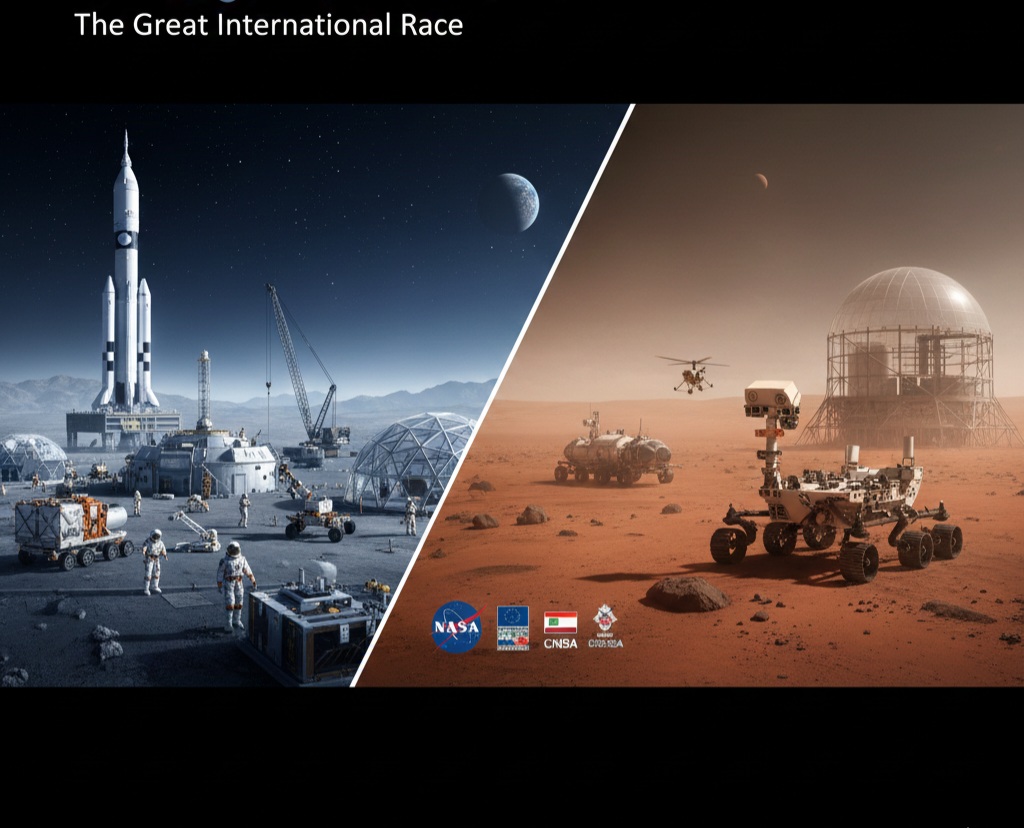
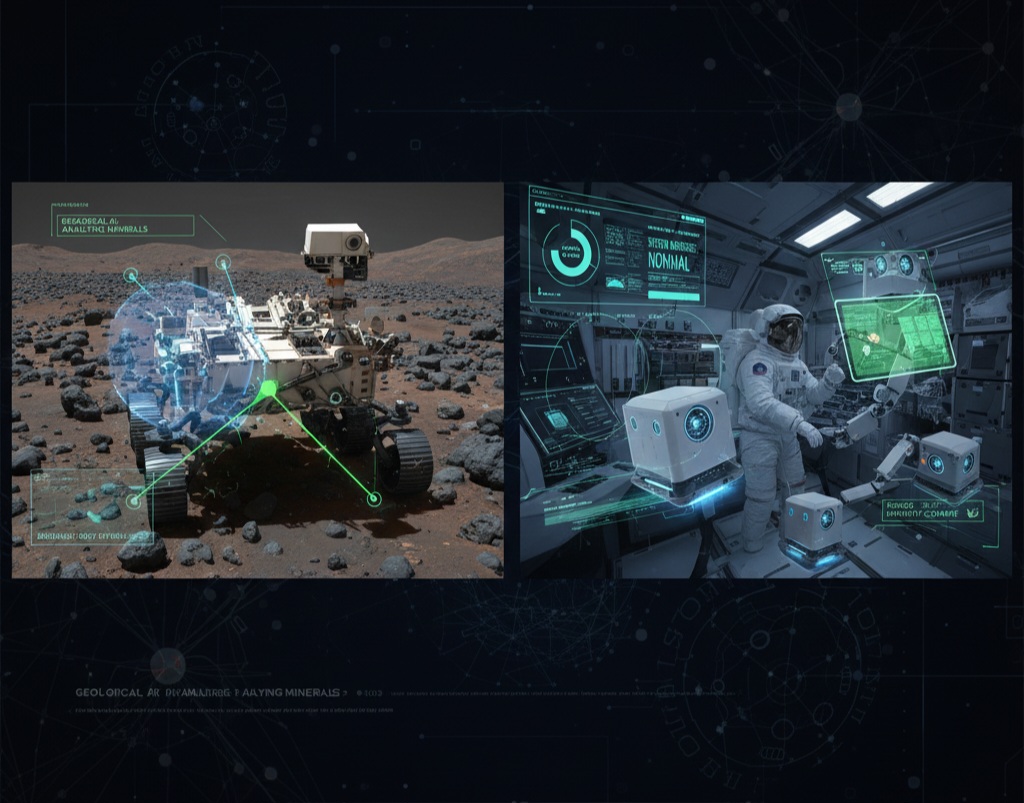


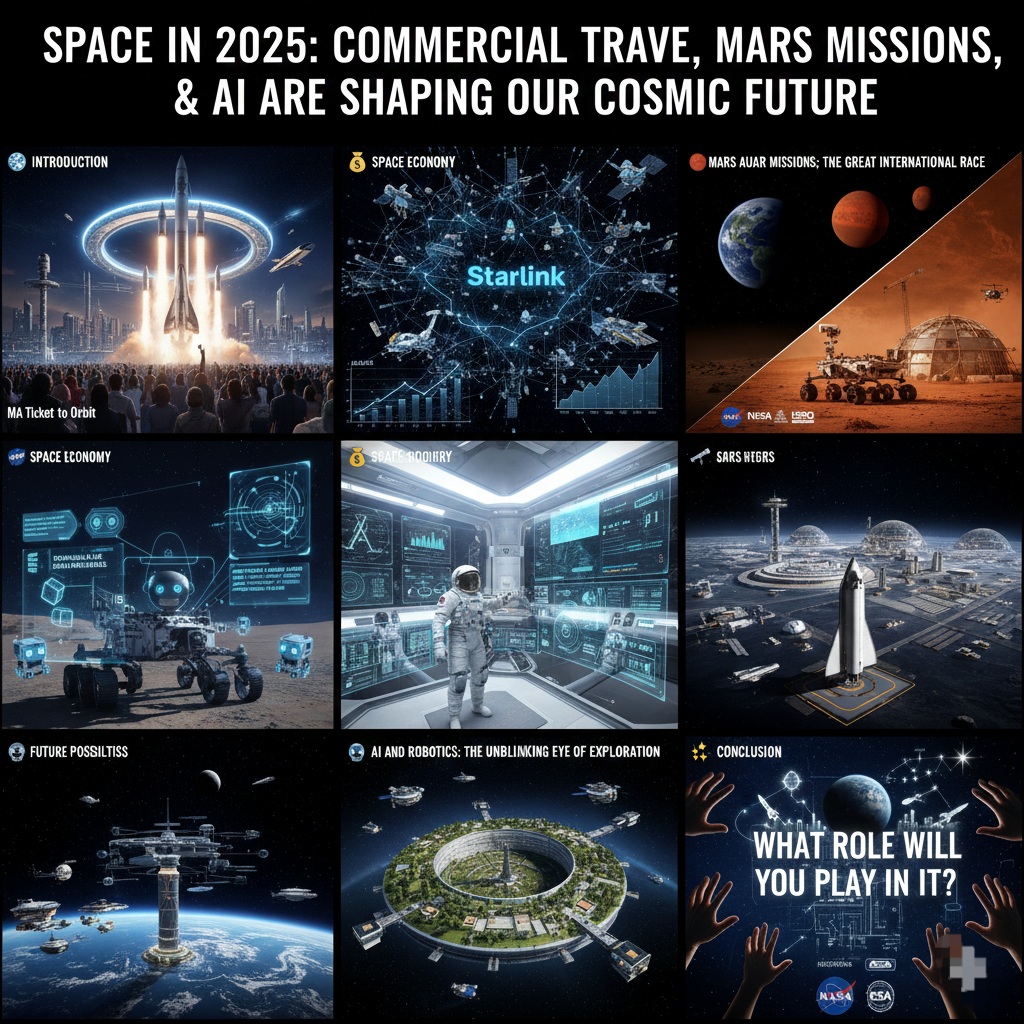





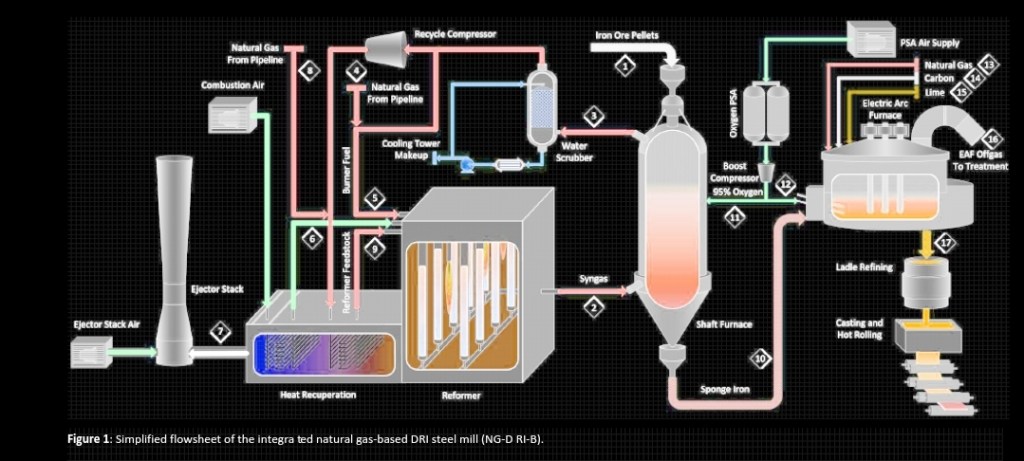
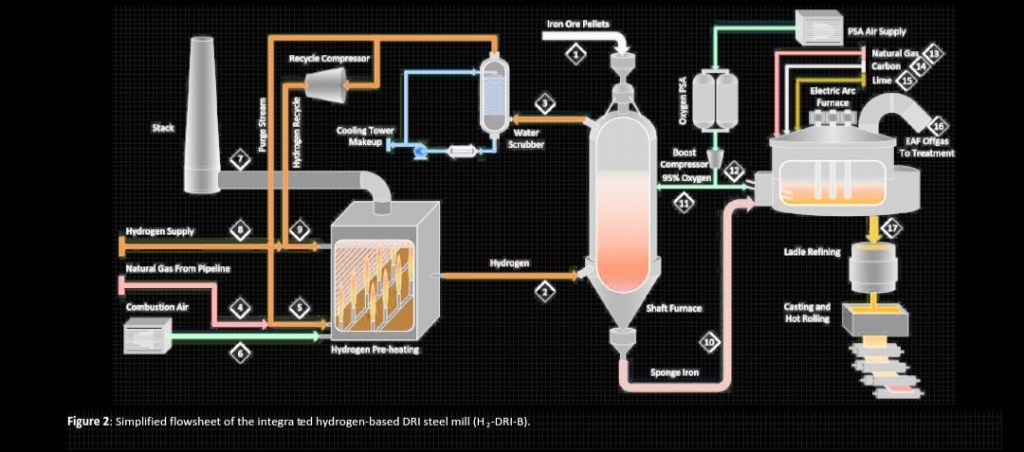
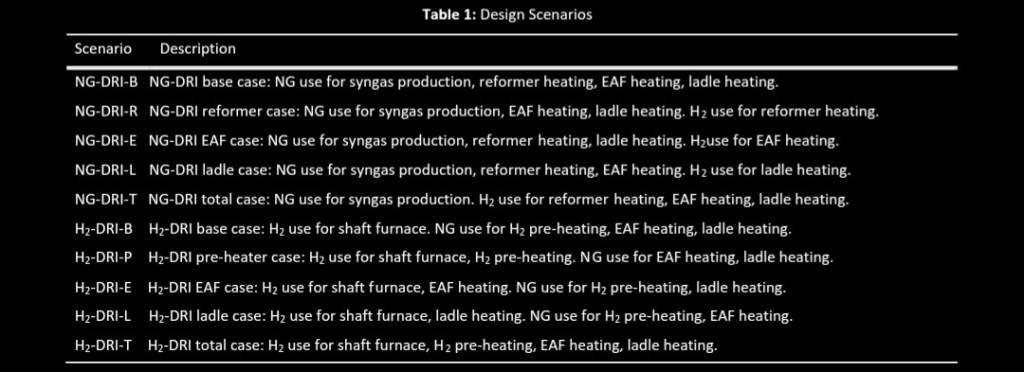
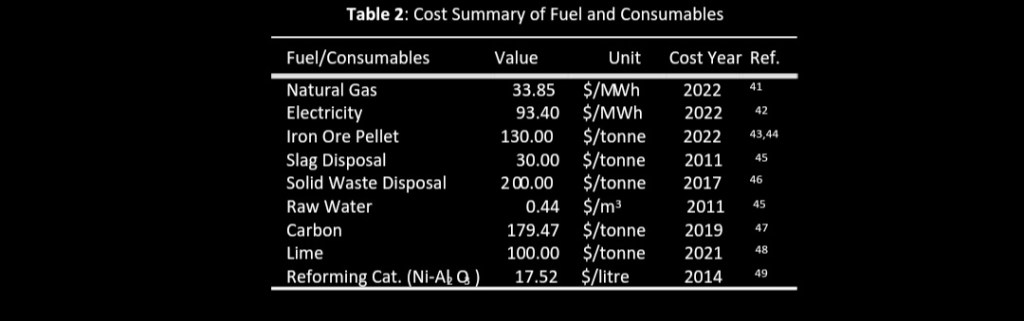
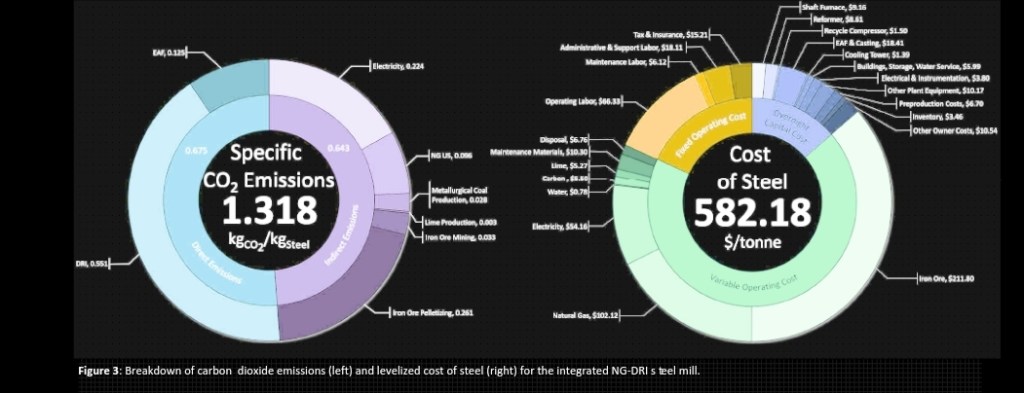



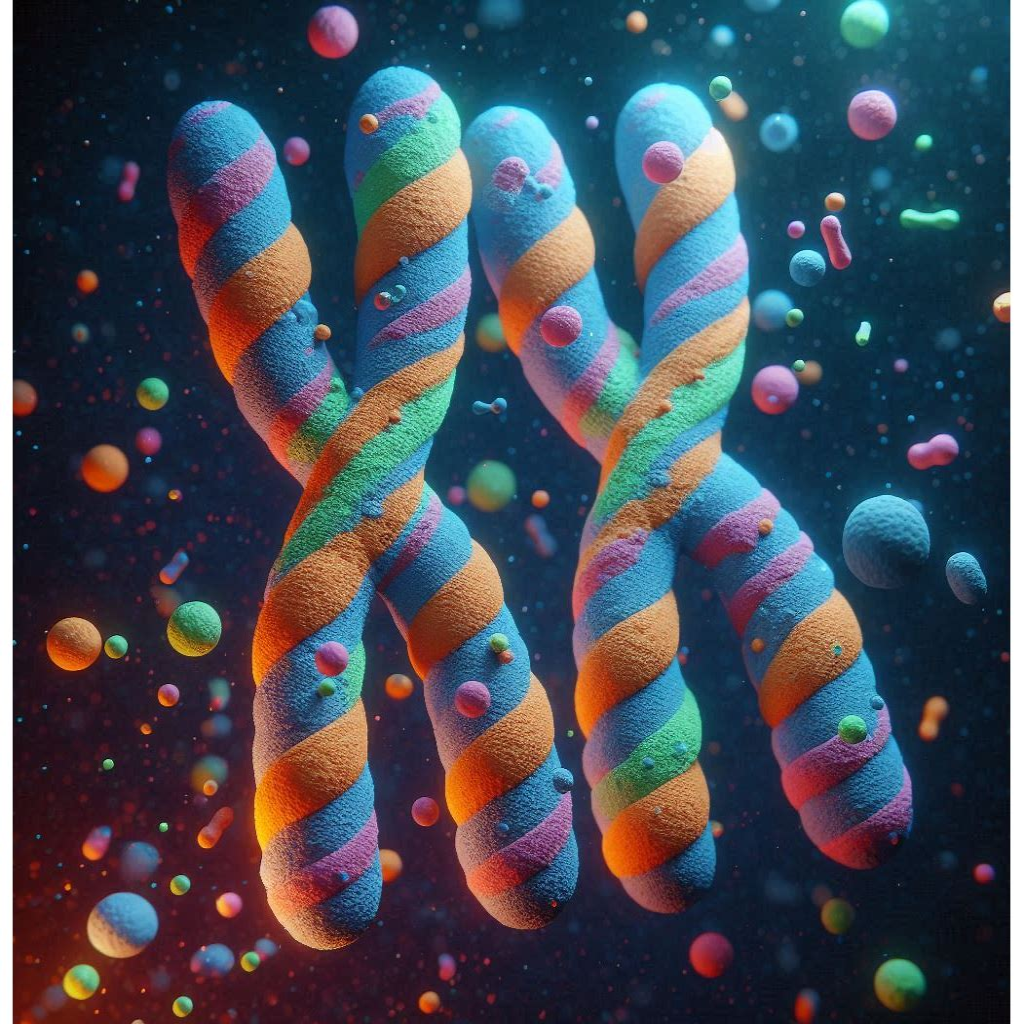
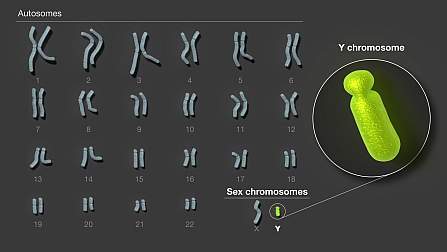
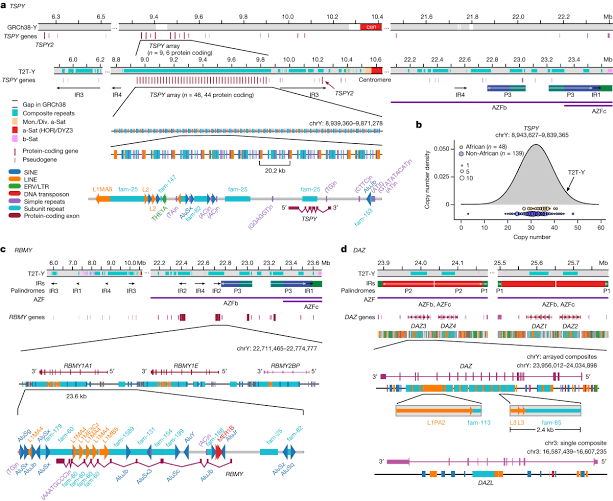










 Lifestyle Science & health
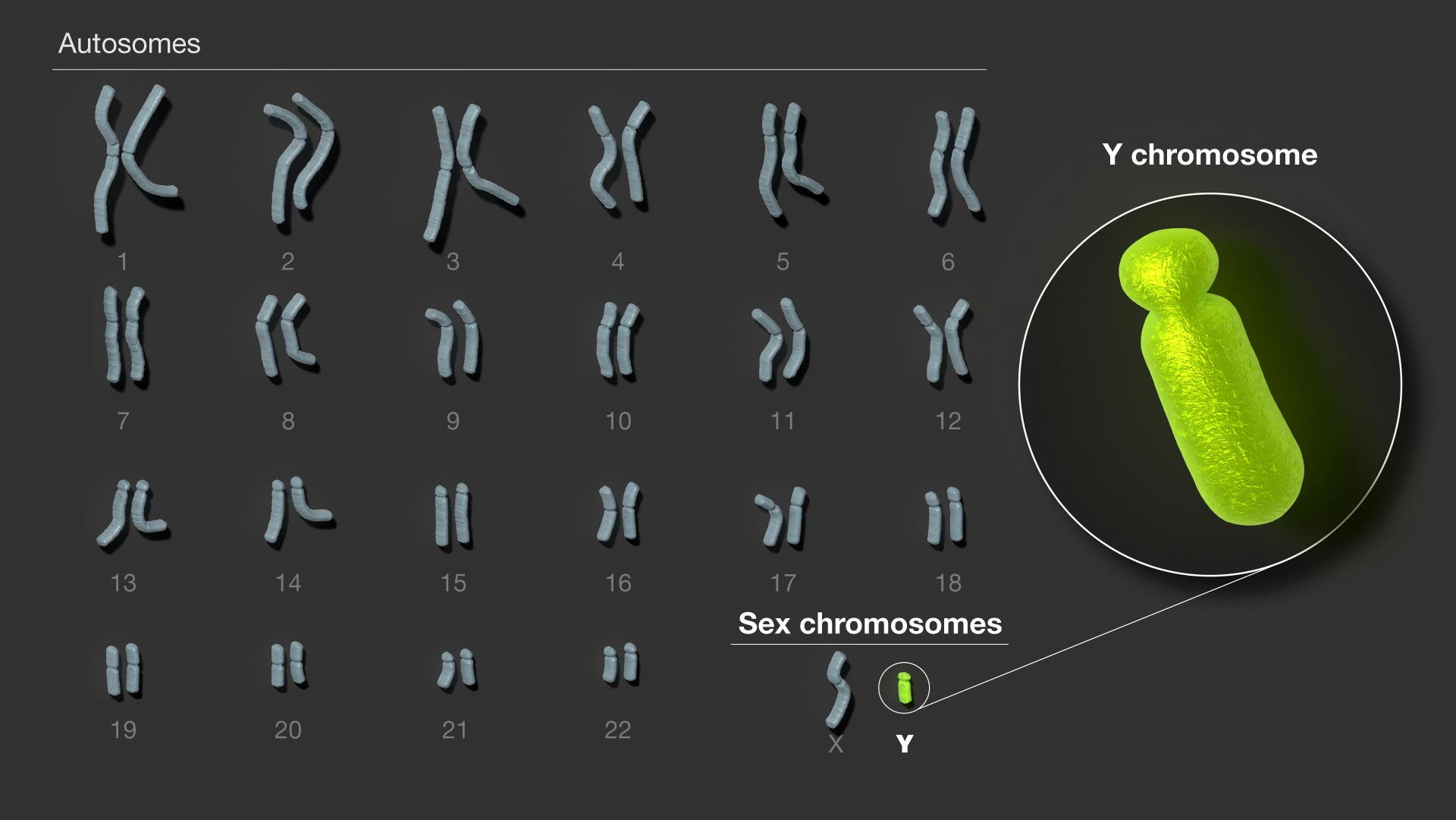

Thanks never forget God during your highs or lows in life. God bless you🙏