


- 1. What is Organ-on-Chip Technology?
- 2. Why Use Organ-on-Chip in Space?
- 3. Key Applications in Space Research
- 4. Real-World Examples
- 5. Future Prospects
- 6. Conclusion
- 7. References
As humanity ventures further into space, understanding how the human body responds to the unique conditions of space travel becomes increasingly crucial. One groundbreaking technology aiding this research is the organ-on-chip. These microfluidic devices, which mimic the structure and function of human organs, are revolutionizing our approach to studying human biology in space.
1. What is Organ-on-Chip Technology?
Organ-on-chip devices are small, transparent chips that house living human cells in a microenvironment that simulates the architecture and function of human organs. These chips can replicate the physiological responses of tissues and organs, providing a more accurate model for studying biological processes than traditional cell cultures or animal models.
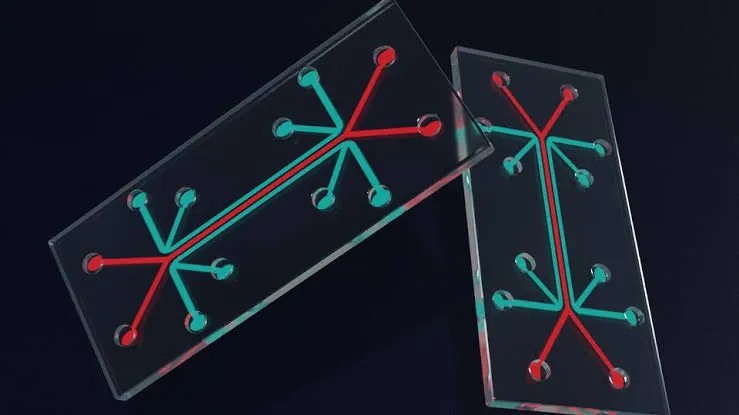
2. Why Use Organ-on-Chip in Space?
Space presents a unique set of challenges for human health, including microgravity, increased radiation exposure, and isolation. Organ-on-chip technology allows scientists to study these effects in a controlled manner, providing insights that are critical for the safety and well-being of astronauts on long-duration missions.
3. Key Applications in Space Research
3.1. Microgravity Studies:
Microgravity affects cellular and tissue functions in ways that are not fully understood. Organ-on-chip devices can simulate the effects of microgravity on various human tissues, such as heart, lung, and muscle, helping researchers understand how these changes might impact astronaut health.1
3.1.1.Example:
Heart tissue chips have been used to investigate changes in cardiac function due to microgravity. These studies have shown that microgravity can alter the way heart cells contract and communicate, which could have implications for astronaut health on long missions.2
3.2. Radiation Exposure:
Space missions expose astronauts to higher levels of cosmic radiation, which can damage cells and tissues. Organ-on-chip systems can model the effects of this radiation on human tissues, aiding in the development of protective measures and treatments.3
3.2.1.Example:
Researchers have used organ-on-chip devices to study the effects of cosmic radiation on human skin cells. These studies help in developing strategies to protect astronauts from the harmful effects of radiation during long-term space missions.
3.3. Muscle and Bone Health:
Prolonged exposure to microgravity leads to muscle atrophy and bone density loss. Muscle-on-chip and bone-on-chip devices are used to study these effects and test potential countermeasures, such as drugs that promote muscle regeneration and bone health.1
3.3.1.Example:
Muscle-on-chip devices have been used to test drugs that could prevent muscle wasting in astronauts. These studies are crucial for maintaining astronaut health during extended missions to Mars and beyond.
3.4. Disease Modeling and Drug Testing:
The space environment can accelerate the progression of certain diseases. Organ-on-chip devices can model these diseases more accurately in microgravity, allowing for the testing of new drugs and treatments in a space-relevant context.3
3.4.1.Example:
Organ-on-chip technology has been used to model lung diseases in microgravity, providing insights into how these conditions might progress differently in space and how they can be treated effectively.
4. Real-World Examples
4.1. NASA’s Tissue Chips in Space Program:
This initiative aims to use tissue chips to study the effects of spaceflight on human health. Experiments have included heart, lung, and muscle tissues to understand how they respond to the space environment. For instance, heart tissue chips have been used to investigate changes in cardiac function due to microgravity.1
4.2. Emulate’s Human Emulation System:
Emulate has partnered with NASA to send their organ-on-chip technology to the International Space Station (ISS). These experiments focus on understanding how space conditions affect human cells and tissues, providing valuable data for future space missions.4
4.3. Advanced Space Research:
Researchers are using organ-on-chip devices to study the effects of cosmic radiation on human tissues. These studies help in developing strategies to protect astronauts from the harmful effects of radiation during long-term space missions.
5. Future Prospects
The potential of organ-on-chip technology in space research is vast. As we prepare for missions to Mars and beyond, understanding how the human body adapts to space will be crucial. Organ-on-chip devices will play a key role in this research, helping to ensure the health and safety of astronauts on these pioneering journeys.
6. Conclusion
Organ-on-chip technology is a powerful tool in the quest to understand human biology in space. By simulating the conditions of space travel, these devices provide invaluable insights into how our bodies respond to the challenges of microgravity, radiation, and isolation. As we continue to explore the final frontier, organ-on-chip technology will be at the forefront of ensuring that our journeys are safe and successful.
Hope you like this blog folks . If any suggestions let know in the comments below and be free to discuss on this topic. Comments are appreciated .If anyone one want to add something new or share their knowledge or add on to this topic can ping below in the comments session…..A chip in space……Also do watch my youtube reels shared above on Organ-on-chip 😀
7. References
- http://NASA – Tissue Chips Accurately Model Organs in Space
- http://NASA – Tissue Chips Accurately Model Organs in Space
- http://NASA – Organs on Chips in Space
- http://Advanced Science News – Organ-on-chip simulates the effects of cosmic radiation
- Advanced Science News – Organ-on-chip simulates the effects of cosmic radiation
- http://Emulate Blog – Organ-Chips in Space
| M | T | W | T | F | S | S |
|---|---|---|---|---|---|---|
| 1 | 2 | 3 | 4 | 5 | 6 | |
| 7 | 8 | 9 | 10 | 11 | 12 | 13 |
| 14 | 15 | 16 | 17 | 18 | 19 | 20 |
| 21 | 22 | 23 | 24 | 25 | 26 | 27 |
| 28 | 29 | 30 | ||||
- My Choice for the Next Emperor: Anakin Skywalker
- Underrated People in History Who Quietly Built the Modern World
- Great, Fantastic News? First, I Thank God.
- The Second Golden Age: How AI is Resurrecting the Hunt for New Antibiotics
- 💚🌸💜 Green, Pink, and Purple — Colors of Strength, Spirit, and Victory
- Cooking & Health Tips
- Daily Prompt
- Daily Prompt
- Finance, Business & Marketing
- Science & Tech , Education
- Stories
- Uncategorized


Glad to know that you enjoyed reading the post. God bless you🙏

… reposted this!

… reposted this!
Yes


 Lifestyle Science & health
Thanks never forget God during your highs or lows in life. God bless you🙏