Which animal would you compare yourself to and why?
According to my point of view we can’t Compare ourselves with animals because we are human being we can do things which sometimes they can’t, like talk, our intelligence and many more one can relate..
If we go through science evolution theory then it’s mentioned that we are evolution of apes i.e Homosapiens . According to Darwins theory of evolution it’s mentioned how we changed from apes to humans how different parts were lost like tails and all…
Overall what i think is we are humans not animals….God has created everyone unique with talents and skills😃😃….Hope I am right🙂
Hey there! Ever wondered why humans don’t have tails like monkeys? Well, researchers at NYU Grossman School of Medicine may have figured it out! They found that a genetic change in our ancient ancestors might be the reason behind it. This discovery, published as the cover story in the journal Nature, compared the DNA of tail-less apes and humans with that of tailed monkeys. They discovered a DNA insertion shared by apes and humans but missing in monkeys.
To dive deeper into this, the research team engineered mice to see how this insertion, found in a gene called TBXT, affected their tails. Surprisingly, they found a variety of tail effects, even some mice born without tails! Dr. Bo Xia, one of the study authors, expressed excitement about unraveling this evolutionary mystery that has intrigued him since childhood.
Previous research had linked over 100 genes to tail development in various vertebrates, leading the authors to hypothesize that changes in these genes’ DNA code played a role in tail loss. However, they were astonished to find that the differences in tails didn’t stem from mutations in TBXT, but rather from the insertion of a DNA snippet called AluY into the gene’s regulatory code in the ancestors of apes and humans.
This discovery sheds light on how genetic instructions are converted into proteins and how alternative splicing can influence traits like tail length. Despite not directly altering the protein-coding sequence, this insertion influenced alternative splicing, resulting in various tail lengths.
The researchers speculate that this genetic change, which occurred about 25 million years ago, might have provided an advantage for life on the ground compared to trees. However, it’s also associated with a small increase in neural tube defects in mice, hinting at a possible evolutionary trade-off.
In addition to providing insights into our evolutionary history, this study showcases the intricate complexity of the human genome and the role of “jumping genes” in shaping our traits. It’s a fascinating glimpse into how tiny genetic changes can have profound effects on species over millions of years.
The study, led by Drs. Bo Xia, Jef D. Boeke, and Itai Yanai, involved a collaborative effort from several researchers at NYU Langone Health and was supported by various grants and funding sources.
Journal Reference:
Bo Xia, Weimin Zhang, Guisheng Zhao, Xinru Zhang, Jiangshan Bai, Ran Brosh, Aleksandra Wudzinska, Emily Huang, Hannah Ashe, Gwen Ellis, Maayan Pour, Yu Zhao, Camila Coelho, Yinan Zhu, Alexander Miller, Jeremy S. Dasen, Matthew T. Maurano, Sang Y. Kim, Jef D. Boeke, Itai Yanai. On the genetic basis of tail-loss evolution in humans and apes. Nature, 2024; 626 (8001): 1042 DOI: 10.1038/s41586-024-07095-8
I like to spend time shopping with my family. I don’t have such place where to shop , for me its where ever you can explore much and spend peaceful time…also freedom….😅. That’s what my point of view is for place for shopping.
There is no last thing you learned, as in my case I am always into a phase of learning new things everyday 🙂🙂. I guess we should be like kids who is always keen or eager to learn or know something new…
I do enjoy my job where ever I work because I create such environment around me but recently left my job after intership because I felt that my talent wasn’t appreciated due to which couldn’t share my knowledge to others, really it depends on an head or individual in a department, and always feel sad about it. I am actually not here to judge anyone…but such things has to be corrected because these are the things which actually lead to down fall of organisation and loss of talents of young generations, and currently now in a Phase to learn new things and opt back to pursuing education. I am a person who is keen in learning new things…and also sharing.
Hoping for a good job in future and share my talent to coming generation….😃🙂
Describe a phase in life that was difficult to say goodbye to.
My college days and my dissertation wherein I explored and learned a lot of things my self with less time span even though I came from different background of Bachelors ( Chemistry) and did Masters in ( Microbiology). Made new friends….but this after college life is really boring for me…😅
Fermented rice recipes have been a staple in many cultures for centuries. From Japan’s sake to Korea’s makgeolli, there are many ways to enjoy the unique flavor and health benefits of fermented rice. Fermentation is a natural process that enhances the nutritional value of rice, making it a rich source of vitamins, minerals, and probiotics. Consuming fermented rice has been linked to a range of health benefits, including improved digestion💁♀️😁, enhanced immune function, and reduced inflammation. In this article, we will explore the benefits of fermented rice recipes and how to make them at home in a similar way as we make curd or yogurt from milk🧋.
Indian fermented rice kanji is a traditional, probiotic-rich drink that has been enjoyed for centuries in Indian households. This tangy and refreshing drink is made by fermenting rice🍚 with water and a few basic ingredients, resulting in a tasty and nutritious beverage that is packed with gut-friendly bacteria. While the basic recipe for kanji is delicious on its own, adding popular ingredients such as nuts🥜, fruits🍉🍒, and vegetables🥦🫚 can take this drink to the next level. In this article, we’ll explore some of the best additions to Indian fermented rice kanjis, and provide tips and techniques for making your kanji recipe healthy, flavorful, and unforgettable.😃
“My present and most fixed opinion regarding the nature of alcoholic fermentation is this: The chemical act of fermentation is essentially a phenomenon correlative with a vital act, beginning and ending with the latter. I believe that there is never any alcoholic fermentation without their being simultaneously the organization, development, multiplication of the globules, or the pursued, continued life of globules which are already formed”.
In ‘Memoire sur la fermentation alcoolique’, Annales de Chemie et de Physique (1860), 58:3, 359-360, as translated in Joseph S. Fruton, Proteins, Enzymes, Genes: The Interplay of Chemistry and Biology (1999),
1. Introduction to Fermented Rice Recipes
Fermented rice recipes have been enjoyed by many cultures for centuries. They not only offer a unique flavor😋 and texture profile but also boast many health benefits. In this article, we will take a closer look at the benefits of incorporating fermented rice dishes into your diet.
What is fermented rice?
Fermented rice is made by soaking rice and lentils overnight, grinding them into a batter, and allowing the mixture to ferment for a few hours. The fermentation process allows the batter to rise and develop a tangy🍅 flavor. The batter can then be used to make a variety of dishes such as dosa, idli, and appam. Indian fermented rice kanji is a popular traditional beverage in India, specifically in the southern region. It is a fermented drink made from rice and water, which is left to ferment for a few days until it turns sour and tangy. It is a refreshing and nutritious drink that is known for its probiotic benefits.
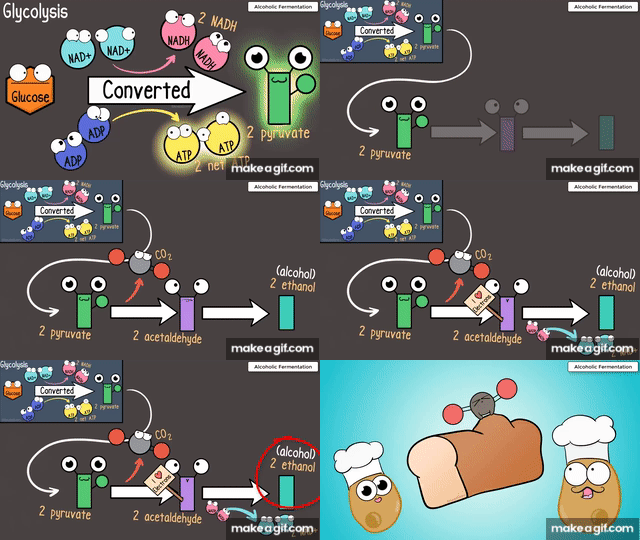
Mechanism of fermentation:
Fermentation mechanism
History of Fermented Rice Recipes
Fermented rice has been a staple food in many cultures for centuries. In Asia, countries like Japan, China, and Korea have been eating fermented rice dishes🍛🍙 for thousands of years. In other parts of the world, such as Africa and South America🍚🍲, fermented rice is also a popular dish. The traditional method of making fermented rice has been passed down from generation to generation.
Fermented rice has been a part of Indian cuisine for thousands of years. It is believed that the process of fermenting rice was invented as a way to preserve food in the absence of refrigeration🧊. The process was also used to enhance the flavor of the rice and make it more digestible. Fermented rice has been a staple in South Indian cuisine for generations and is now enjoyed all over the country and in Indian restaurants around the world.
2. Enhanced Nutritional Value of Fermented Rice
Fermented rice offers a range of nutritional benefits that set it apart from its non-fermented counterpart.
Increased Vitamin B Content
Fermented rice is rich in vitamin B, specifically vitamin B12, which is essential for maintaining a healthy nervous system. It also helps in the production of red blood cells and DNA.
Improved Mineral Bioavailability
The fermentation process increases the bioavailability of minerals in rice, which means that the body can absorb them more easily. Fermented rice is rich in minerals such as potassium, magnesium, and calcium, which are essential for maintaining healthy bones , muscles, and nerves.
Antioxidant Properties
Fermented rice is rich in antioxidants that help protect the body from harmful free radicals🏜. These antioxidants help reduce inflammation in the body and prevent chronic diseases such as cancer🦀 and heart disease❤️.
Boosts Digestion and Metabolism
Fermented rice offers many benefits for gut health and digestion.
Fermented Rice and Gut Health
Fermented rice contains beneficial bacteria that help boost gut health. These bacteria can help improve the balance of good and bad bacteria in the gut, which can help reduce digestive issues such as bloating, gas, and constipation.🙂
Improved Digestion and Nutrient Absorption
Fermented rice is easier to digest than non-fermented rice. The fermentation process helps break down complex carbohydrates, making it easier for the body to absorb nutrients from the rice.
Metabolic Benefits of Fermented Rice
Fermented rice has a complex flavor profile that is often described as umami. This savory taste is due to the presence of glutamic acid, an amino acid that is produced during the fermentation process.
Fermented rice may also have metabolic benefits. Research suggests that consuming fermented rice can help improve insulin sensitivity and reduce inflammation, which can help reduce the risk of metabolic diseases such as diabetes and obesity.
3. Fermented rice as a probiotic food
Fermented rice is a probiotic food that contains live bacteria and yeasts. These microorganisms thrive during the fermentation process and provide a range of health benefits.
Probiotic benefits of fermented rice
The probiotic benefits of fermented rice include improved digestive health, enhanced immune system, and reduced inflammation. Regular consumption of fermented rice can also aid in the absorption of nutrients from food and reduce the risk of gut-related disorders such as irritable bowel syndrome and inflammatory bowel disease.
4.Role of fermented rice in Indian cuisine
Fermented Rice with fish fry, vegetables & curd & chilies paste made with shallots.
Here’s a basic recipe for Kerala Kanji, a traditional South Indian rice porridge:
Instructions: 1. Wash the rice thoroughly and soak it in water for about 30 minutes.🥣 2. In a large pot, combine the soaked rice and water. Bring it to a boil over medium heat.🫕 3. Once it starts boiling, reduce the heat to low and let it simmer, stirring occasionally to prevent sticking.🫕 4. In a separate small pan, heat some oil. Add fenugreek seeds, cumin seeds, mustard seeds, and dry red chilies. Allow them to splutter.🌶 5. Add chopped shallots, minced garlic, grated ginger, and curry leaves to the pan. Saute until the shallots turn golden brown.🧅🧄🍃🫚 6. Pour this mixture into the simmering rice porridge and mix well.🥣 7. Continue to cook the porridge until it reaches your desired consistency, stirring occasionally. Add more water if necessary to adjust the consistency. 8. Season with salt to taste.🫙🍲 9. Serve hot with a side of pickle, papad, or any curry of your choice.🍛
Enjoy your delicious Kerala Kanji!😀😀
Fermented Rice for Overall Health and Well-being
Fermented rice has been a staple in many cultures for centuries. It not only adds unique flavor and texture to dishes but also offers a range of health benefits.
Lowered risk of chronic diseases
Fermented rice is rich in antioxidants, which help to fight against free radicals that can cause cell damage. Regular consumption of fermented rice has been linked to a reduced risk of chronic diseases such as cancer, diabetes, and heart disease.
Enhanced immune system
Fermented rice contains beneficial bacteria and yeasts that help to support a healthy gut microbiome. A healthy gut is essential for a strong immune system, and fermented rice can aid in enhancing immunity.
Reduced inflammation
Inflammation is the root cause of many chronic diseases. Fermented rice has anti-inflammatory properties due to the presence of beneficial bacteria and compounds such as quercetin, isoflavones, and phytic acid. Incorporating fermented rice into your diet can, therefore, reduce inflammation in the body.
Fermented Rice as a Probiotic Food
What are probiotics?
Probiotics are live microorganisms that have health benefits when consumed in adequate amounts. They are primarily found in fermented foods and supplements and can improve gut health, enhance immunity, and reduce inflammation.
Final tips for making delicious and healthy kanjis with popular additions
When adding nuts, fruits, or vegetables to your kanji recipe, make sure to choose fresh, seasonal ingredients. You can also experiment with different combinations to find your favorite flavor profiles. With these tips, you’ll be able to create delicious and healthy kanjis that are perfect for any occasion. In conclusion, Indian fermented rice kanjis are a healthy and delicious beverage that have been enjoyed for generations. By incorporating popular additions such as nuts, fruits, and vegetables, you can take your kanji recipe to new heights while providing essential nutrients and beneficial probiotics to your body. Whether you’re looking to experiment with new flavors or simply want to explore the rich culture of Indian cuisine, adding popular ingredients to your homemade kanjis is an excellent way to do so. So why not try adding your favorite ingredients to your next batch of kanjis and see what delicious flavors you can create?
Fermented rice is an integral part of Indian cuisine, especially South Indian cuisine. It is used to make a variety of dishes such as dosa, idli, appam, and more. Fermented rice is not just limited to South Indian cuisine, it is also used as a base for alcoholic drinks such as rice beer🍺 and rice wine🥂.
Improved Flavor and Aroma
5. Nutritious Additions to Fermented Rice Kanjis
Health benefits of adding nuts to kanji
Adding nuts to your fermented rice kanji can increase its nutritional value significantly. Nuts🥜 are packed with protein, fiber, and healthy fats, which can help promote heart health, lower cholesterol, and boost brain function.
Types of nuts to consider for your kanji recipe
Almonds, cashews, and pistachios are great choices for adding to your kanji recipe. These nuts are rich in nutrients and add a delicious crunch to the drink. You can use them whole or ground as a powder to add to your kanji.
How to incorporate nuts into your kanji recipe
To add nuts to your kanji recipe, you can either soak them in water or grind them into a fine powder and mix them into the drink. Make sure to add the nuts towards the end of the fermentation process to prevent them from getting too soft.
6. Flavorful Fruits to Elevate Your Kanjis
Why add fruit to your kanji?
Adding fruit to your kanji not only enhances its flavor but also increases its nutritional value. Fruits 🍉🥝 are packed with vitamins, fiber, and antioxidants, which can help boost the immune system and improve overall health.
Best fruits to add to your kanji recipe
Mangoes, citrus fruits like lemon and lime, and berries like strawberries🍓 and blueberries🫐 are perfect for adding to your kanji recipe. These fruits not only add a burst of flavor but also provide a host of health benefits.
Techniques for incorporating fruit into your kanji
To add fruit to your kanji, you can either mash them into a pulp or squeeze them into juice and mix them into the drink. Make sure to add the fruit towards the end of the fermentation process to prevent it from becoming too mushy.
7. Vegetables That Can Enhance Your Kanji Recipe
The benefits of adding vegetables to your kanji
Adding vegetables to your kanji recipe can boost its nutritional value significantly. Vegetables are packed with vitamins, fiber, and antioxidants, which can help promote good health and prevent chronic diseases.
Top vegetables to consider for your kanji recipe
Some of the best vegetables to add to your kanji recipe include ginger, beetroot, and carrots, pulses, curries, chillies, curd etc. These vegetables not only add a unique flavor to the drink but also offer a host of health benefits.
Methods for adding vegetables to your kanji
To add vegetables to your kanji, you can chop or grate them and mix them into the drink. You can also create a paste from the vegetables and add it to the drink. Make sure to add the vegetables towards the end of the fermentation process to prevent them from getting too soft.
8. Top Tips for Making Delicious and Healthy Kanjis
Kanjis are a staple in Indian cuisine and have been enjoyed for centuries. Here are some top tips to make sure your homemade kanjis are delicious and healthy:
How to properly ferment rice for kanji
Fermentation is a crucial step in making kanjis. To properly ferment rice for kanji, soak the rice in water for at least 8 hours before grinding it into a fine paste. Add water to the paste and let it sit in a warm place for 24-48 hours until it starts to ferment and develop a sour taste.
Essential ingredients for a healthy and tasty kanji recipe
Besides rice, there are many other ingredients that can make your kanji even more nutritious and flavorful. Some essential ingredients for a healthy and tasty kanji recipe include ginger, green chilies, curry leaves, and salt. You can also add some jaggery or sugar to balance out the sour taste.
Pro tips for making your kanji recipe stand out
To take your kanji recipe to the next level, try adding some popular additions such as nuts, fruits, or vegetables. You can also experiment with different spices and herbs to make your kanji more interesting. Don’t be afraid to get creative and try out new flavor combinations!😀😀
9. Importance of Fermented Foods in Indian Cuisine
Fermented foods like kanjis have been an integral part of Indian cuisine for centuries. Here’s why:
The role of fermented foods in Indian culture
In Indian culture, fermented foods are believed to aid digestion and boost immunity. They are also used in various religious ceremonies and festivals.
Benefits of consuming fermented foods as part of your diet
Fermented foods are rich in probiotics, which promote healthy digestion and gut health. They also help in the absorption of nutrients and can reduce the risk of various diseases such as diabetes, obesity, and cardiovascular diseases.
10. Conclusion and Final Thoughts on Making Kanjis with Popular Additions
Adding nuts, fruits, or vegetables to your basic homemade kanjis is an excellent way to take your recipe to the next level. Here are some final thoughts:
Summary of the benefits of adding nuts, fruits, and vegetables to your kanji recipe
Nuts, fruits, and vegetables are packed with essential nutrients and add flavor and texture to your kanji recipe. They can also boost the health benefits of fermented foods.
“Cooking is like love. It should be entered into with abandon or not at all.” – Harriet Van HorneHarriet
Van Horne, an American columnist, draws a parallel between cooking and love, emphasizing the importance of passion and dedication in both endeavors. This quote encourages us to approach cooking with enthusiasm and wholeheartedness, just as we would in matters of the heart.
Healthy brunches 🥗 recipes are the perfect way to enjoy a delicious meal without loading up on calories. You can start your brunch with an infused Greek yogurt parfait🥛. Layer Greek yogurt with fresh fruits like blueberries🫐 and strawberries🍓, top it off with some crunchy granola for a satisfying breakfast. If you’re looking for something savory, try making a quiche loaded with vegetables 🥦🫑and low-fat cheese. A frittata is another great idea that can be made ahead of time and served warm or cold. For those looking for lighter fare, try scrambled egg whites on whole wheat toast🧇 topped with avocado slices and tomatoes.
For something a little sweeter, try fruit pizza!🍕🍏🥝🫐 Start with a shortbread crust and layer on your favorite berries, seasonal fruit, and banana bread. Or for the classic brunch dish of baked french toast, top it off with berry fruit compote and yogurt. For a heartier dish that can be served hot or cold, try making breakfast sandwiches in bread boxes filled with egg whites and seafood/ meat🍣🥪🍗🍖 . Healthy brunches don’t have to be boring – get creative😃 and find a recipe that suits you!
Breakfast casseroles🥘 are a great way to start the morning, and can be as healthy or indulgent as you like. Try an egg bake with a mix of vegetables, healthy unsaturated fats and herbs. Avocado🥑 toast is always a brunch favorite – opt for sprouted grain bread and top it with juicy tomato slices and some feta cheese. Breakfast toast is another great option; try adding nut butter🥜, honey and banana slices to get your day off to the right start. Don’t forget to set up your brunch table too! A few items that can help create an inviting atmosphere include peanut butter, juicy apples🍏, flowers 🌺or greenery from the garden – anything that adds life to your setting! Finally, don’t forget about the latest toast trend – spread some tahini over sourdough bread for a delicious combination.
Healthy brunches recipes offer plenty of ways to explore different combinations that combine healthy carbs, healthy fats and proteins. Fresh fruits are always a great option, as is a charcuterie board with whole wheat wraps or tortillas filled with black beans. To make it even healthier, add some roasted vegetables for an added boost of flavor and nutrients. For those who need more protein at breakfast time, try adding eggs or Greek yogurt to the mix for added protein. No matter what your tastebuds crave in the morning, there’s something out there for everyone when it comes to healthy brunch recipes!
From eggs benedict to something savory, you can find delicious recipes that incorporate hearty whole grains and sneaky vegetables. For breakfast ideas, try swapping out a sugary cereal box with something like oatmeal or whole grain pancakes. Tomatoes🍅 can be a great addition to any brunch plate, either roasted or in a salad. If you’re feeling indulgent, donuts are always an option (just watch the portion size!). Making simple swaps like this can make your brunch healthier while still enjoyable and delicious!
A healthy breakfast recipe is the perfect way to start your day with plenty of nutrients, healthy ingredients, and flavors. A breakfast salad is a great way to get a flavorful rainbow of vegetables like tomatoes and carrots 🥕while adding in healthy fats like olive oil or avocado. There are many reasons why making meals out of salads can be both satisfying and hearty – just add some cooked grains or legumes🥬 for protein! With the right combination of ingredients you can create a delicious brunch that will keep you full until lunchtime.
Healthy brunch wrap🌯 recipes are a great way to get in all the nutrients you need for breakfast. Start with a nutritious base like eggs benedict with fresh spinach, fish or meat and cheese. Top it off with your favorite sauce and onion for an added flavor kick. For those that love Eggs Benedict without fail, there is no better recipe than this one. The protein from the egg and dish or meat will keep you feeling full while the fresh spinach adds plenty of vitamins and minerals to your meal.
A healthy brunch menu can start with a Sweet Potato Crust Cheesy Baked Egg🍳. This delicious and easy breakfast dish is perfect for a special weekend brunch. Follow it up with Breakfast Flatbreads topped with roasted spaghetti, veggie-loaded breakfast hash and flatbread pitas filled with savory veggies and cheese.
For something sweeter, try a Veggie Loaded Breakfast Bowl that includes poached eggs, roasted potatoes, sautéed spinach and avocado for an extra dose of healthy fats. A Healthy Flatbread topped with hummus, tomatoes, feta cheese and fresh herbs will make your guests happy too!!😊🥰 Whether you’re looking to host an extravagant brunch or just want to enjoy a simple yet nutritious meal at home, these recipes can be easily adapted to suit any menu idea. Enjoy them all while spending quality time with friends and family 👬👫over the weekend!
Healthy brunches are a great option for those looking to indulge without feeling guilty. Start off with a favorite smoothie🧋🧋 recipe or avocado smoothie recipe which adds creamy avocado and favorite veggies. Make sure to include some hearty snacks such as whole grain toast topped with fresh tomatoes, spinach and feta cheese. For main course options, opt for healthy foods like salmon, quinoa salad or roasted vegetables. And end the meal on a sweet indulgence with simple ingredients like peanut butter bars or banana muffins! With these recipes in hand you can create an adorable healthy brunch that everyone will enjoy!
Start with a savory oatmeal bowl 🥣- hearty and full of flavor. Combine cut oats, yummy tofu, avocado and your favorite veggies for a delicious morning meal. For something different, try making a healthy breakfast bowl using homemade hash browns and oats recipe. Top it with fresh salsa for an extra kick! If you want to add something sweet to your brunch menu then make some oatmeal pancakes – they’re made with only 4 ingredients and are super easy to make!
Or why not make a healthier breakfast bar to help you kickstart your day? 😃
You can use oats, nuts, seeds and dried fruit for a delicious snack. If you want to up your brunch game then whip up some banana bread or breakfast bowl. A classic fruit bowl is always a good idea, and it’s even better when served with some Greek yogurt or nut butter on the side.
Looking for some healthy brunch ideas for New Years Day?✨️✨️ Look no further – this list of recipes features light, fresh, and delicious sweet and savory dishes for a healthy start to the year. Healthy swaps are included for traditional dips, breads🥪, and snacks, as well as hearty whole grains for a nutritious and delicious meal. Start 2024 off right with these recipes and resolutions!
This recipe offers plenty of protein, healthy fats, and fiber to keep you full and content. It can be made vegan-friendly with substitutions like black beans, chicken sausage, and eggs🍳. The recipe also includes guacamole, whole wheat wraps,🌯 and a whole wheat English muffin for added protein, healthy carbs, and fats. My mom’s breakfast casserole recipe inspired this veggie-filled egg bake, perfect for a brunch table.
This breakfast casserole is a great base for a healthy brunch menu and can be customized with favorite vegetables. It uses scrambled tofu / cottage cheese🧀, smoky chickpeas and taco🌮 toppings like cilantro, radishes, and avocado. The muffin tins are filled with eggs, sausage / fishes & meat, onions, and peppers and topped with a cheesy baked egg, vibrant basil pesto, and fresh cherry tomatoes🥫🍅. All of these ingredients combine to create a delicious, carb-heavy brunch menu.
This delicious and balanced healthy brunch recipe includes roasted fruit, butter, orange juice, vanilla, maple-infused greek yogurt, and a blend of spices. The fresh fig smoothie is an additional menu idea that is fruity, nutty, and slightly sweet. It also offers 7 grams of fiber and 16 grams of protein for an impressive boost of nutrition. These recipes are great for fall, or any time of year, and make a delicious and healthy brunch.
Transform your favorite smoothie recipe into a healthy brunch option by blending it and serving it in tiny glasses. The Creamy Avocado Smoothie🥑🧋 is an easy-to-make recipe that requires just 5 simple ingredients and blends up quickly. It is a nutrient-rich option full of protein, healthy fats, fiber, and fresh fruits and vegetables, making it a great addition to a charcuterie board. The recipe also includes a sweet potato crust and savory veggies mixed with cheese, making it the perfect healthy breakfast that can be pre-made and enjoyed throughout the week.
Brunch recipes should be a balance between sweet and savory, so this strawberry salad is a great choice. Banana bread, baked french toast, and breakfast toast made with sprouted grain bread are all excellent options for a better brunch. To make it even healthier, top it with healthy fats like peanut butter and nuts, and high-fiber fruit like an apple. Brunch is the perfect time to enjoy healthy foods and sweet indulgences, so make sure to include them.
Egg muffin cups🥧 are perfect for meal prepping weekly breakfasts and can also be a star at brunch. Avocado eggs are a great way to get enough protein and they only take 20 minutes to make. Mini egg muffins are also a great way to get protein into your breakfast. All in all, these breakfast toasts are bite-sized but still packed with protein, so you won’t be hungry after 30 minutes.
Avocado Egg Plate
This Avocado Egg Plate is a great way to use up leftover veggies and make a delicious breakfast. The star baker can make their own homemade bagels and top them with hard-cooked eggs, avocado, a dash of full-fat dairy like whole milk or Greek yogurt, and some salt and pepper.
Brunch morning calls for a delicious meal that can be prepared with ease. Start by whisking eggs, potatoes, sausage or meat/ fish and spices, and refrigerate the egg and veggie mixture in a buttered baking dish. In a separate bowl, mix together the egg/spice mixture, sausage, thawed hash browns and cheddar cheese. Toast a whole wheat bagel and fry an egg in the center hole. Finally, warm the oven and place the egg mixture on top of the filling for 40 minutes.
This make-ahead Smashed Potato🥘 recipe is a great dish to serve a crowd, and it can be paired with any seasonal fruit. It is a healthy brunch wrap composed of seafood/ meat, onion, fresh spinach, eggs, and cheese, all wrapped in a whole grain wrap. The process of making eggs benedict is outlined step by step, so anyone can make it without fail.
This breakfast salad is a great, healthy meal option filled with nutritious ingredients like eggs, greens, pistachios, and fats. Even if you don’t usually like egg salad, this fresh and flavorful recipe has a vegan option as well. For a hearty and healthy breakfast, you can also make a bowl with hash browns, bell pepper, tofu/cottage cheese scramble, and avocado.
If you’re looking for a way to upgrade your breakfast routine and make it healthier, this article offers three different recipes to try. There’s a healthy breakfast bowl recipe, a healthy breakfast bar recipe, and a warm steel cut oats recipe. All three recipes are healthy, plant-based, and delicious, and the steel cut oats recipe is especially savory.
Veggie Loaded Breakfast Flatbread is a delicious and nutritious breakfast that is easy to make. It consists of a whole-wheat flatbread pita topped with roasted spaghetti squash, fresh tomatoes, and sharp cheddar cheese, and baked with an egg on top. Poached eggs, ham, and fresh fruit are also great accompaniments. For an indulgent breakfast, cinnamon rolls are a great option – they not only taste amazing, but also make your home smell wonderful. What do you think??? 🤔 please do share your views and do share these tips to others.😃
9–14 minutes
Contact :
Email Address:
ritzsara98@gmail.com
Lifestyle, Science and Health
Hello! I am a Chemist, Microbiologist and a Blogger. I have a keen interest in cooking, travelling and researching about the latest science topics. I love to explore different cultures and taste new recipes. My blog mainly focuses on the science of cooking, where I discuss the molecular basis of different ingredients and techniques used in cooking. I also write about the latest advancements in science and technology, which are often a source of inspiration for my posts. I also use my blog to give advice on various topics related to science and technology.
If you are interested in any of these topics, do follow me on social media for my latest posts and updates. I am always open to answer any questions and provide valuable insights on the topics I write about. Thank you for your time and I hope to see you soon!😃🙂
Baking soda is a kitchen staple that has been used for centuries for baking, cleaning, and personal care. This versatile ingredient is a must-have in every household owing to its ability to perform multiple functions. Baking soda, also known as sodium bicarbonate, is a fine white powder that can be used for a variety of purposes like cooking, cleaning, and even as a natural personal care ingredient. In this article, we will explore the many uses and benefits of baking soda, including its effects on health, beauty, and beyond. Whether you’re a seasoned baker or a health enthusiast, there’s something for everyone to learn about this amazing household essential.Those little sodium bicarbonate molecules have been changing lives since ancient Egypt, hiding potent properties behind a mild-mannered exterior. So get ready to rediscover an old friend and finally understand the science behind that orange box of wonders. Baking soda is back, and it’s bringing the chemistry with it.
The History of Baking Soda
Baking soda has a rich history dating back to ancient Egypt, where it was used as a cleaning agent for hieroglyphics. In the mid-19th century, the Arm & Hammer brand began selling baking soda as a household cleaning and baking products.
The Different Types of Baking Soda
There are several types of baking soda available on the market, including aluminum-free, pharmaceutical-grade, and natural baking soda. Aluminum-free baking soda is preferred by many for its purity, while pharmaceutical-grade baking soda is used for medicinal purposes. Natural baking soda is made from natural minerals and is often used in DIY cleaning products.
1. Introduction to Baking Soda: What It Is and How It Works
– Baking Soda: A Brief Overview
Baking soda, also known as sodium bicarbonate, is a white, odorless powder that has been used for centuries. It is derived from a naturally occurring mineral called nahcolite and is commonly used in baking, cleaning, and personal care products.
– The Science Behind Baking Soda
When baking soda is combined with an acidic ingredient, such as vinegar or lemon juice, it creates carbon dioxide gas. This gas causes dough or batter to rise, making baked goods fluffy and light. Baking soda can also be used as a natural cleaning agent due to its ability to neutralize acids and break down dirt and grime.
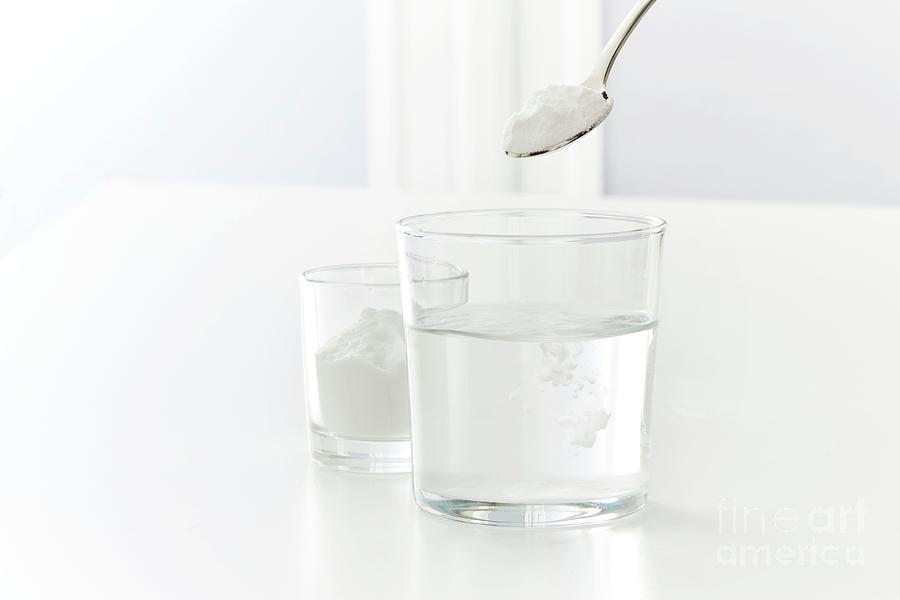
Mechanism of Baking Soda and Water
When baking soda is combined with an acid, it breaks down into water, carbon dioxide gas, and salt. This chemical reaction is what causes the rising effect in baked goods.
Baking Soda vs. Baking Powder
While baking soda and baking powder are both leavening agents, they are not interchangeable. Baking soda requires an acidic ingredient to activate, while baking powder contains both baking soda and cream of tartar, which activates when it is mixed with a liquid.
2. The Many Uses of Baking Soda in the Kitchen
– Baking with Baking Soda: Tips and Tricks
Baking soda is a popular ingredient in baking because of its ability to act as a leavening agent. When using baking soda in recipes, it’s important to use the correct amount and to always combine it with an acidic ingredient. This will ensure that your baked goods rise properly and have the desired texture.
– Other Culinary Uses of Baking Soda
Baking soda can also be used in the kitchen for a variety of other purposes. It can be used to tenderize meat, as a cleaning agent for fruits and vegetables, and to reduce the acidity of coffee. It can also be used to remove foul odors from containers and cutting boards.
3. Baking Soda as a Natural Cleaning Agent: Tips and Tricks
– Cleaning with Baking Soda: A Beginner’s Guide
Baking soda is a versatile and cost-effective natural cleaning agent. It can be used to clean sinks, toilets, and showers. It can also be used to remove stains from carpets and upholstery. When cleaning with baking soda, it’s important to mix it with water to create a paste and to test it on a small area first.
– Baking Soda vs. Other Cleaning Products
Unlike many commercial cleaning products, baking soda is non-toxic, environmentally-friendly, and safe to use around children and pets. It is also more affordable and readily available than many cleaning products.
4. Health Benefits of Baking Soda: From Heartburn to Toothpaste
– Baking Soda for Digestive Health
Baking soda can be used to treat heartburn and indigestion by neutralizing stomach acid. It can also be used as a natural antacid. However, it’s important to use baking soda in moderation and to talk to a doctor before using it for digestive issues.
– Baking Soda as an Ingredient in Personal Care Products
Baking soda can also be used as an ingredient in personal care products such as toothpaste and deodorant. It can help to neutralize odors and freshen breath. However, it’s important to use caution when using baking soda on skin and to test it on a small area first.
5. Baking Soda and Beauty: Skincare and Haircare Uses
Baking soda is not just a versatile household essential, it can also be used to enhance your beauty routine. Here are some DIY baking soda skincare recipes that you can try at home:
– DIY Baking Soda Skincare Recipes
1. Baking Soda Face Mask – Mix 1 tablespoon of baking soda with 1 tablespoon of honey to create a thick paste. Apply it to your face and leave it on for 10-15 minutes before rinsing it off with warm water. This face mask is great for oily skin as it can help to control excess oil.
Baking Soda Face Mask
2. Baking Soda Exfoliator – Combine 2 tablespoons of baking soda with 1 tablespoon of water to create a paste. Gently massage the paste onto your face in a circular motion and rinse it off with warm water. This exfoliator can help to remove dead skin cells and reveal brighter, smoother skin.
– Using Baking Soda to Cleanse and Refresh Hair
Baking soda can also be used to cleanse and refresh your hair. Here’s how:
1. Baking Soda Shampoo – Mix 1 tablespoon of baking soda with 1 cup of warm water. Apply the mixture to your hair and scalp, massage it in, and rinse it off with warm water. This can help to remove excess buildup from styling products and leave your hair feeling clean and refreshed.
2. Baking Soda Dry Shampoo – Apply a small amount of baking soda to your roots and massage it into your scalp. This can help to absorb excess oil and leave your hair looking and feeling refreshed.
6. Safety Precautions When Using Baking Soda
While baking soda is a natural and safe product to use, there are some common mistakes to avoid and safety precautions to keep in mind:
– Common Mistakes to Avoid When Using Baking Soda
1. Using too much – Excessive use of baking soda can result in skin irritation or dryness.
2. Using it on open wounds – Baking soda is not recommended for use on open or broken skin.
– Baking Soda Safety for Children and Pets
1. Keep baking soda out of reach of children – Baking soda can be harmful if ingested in large quantities.
2. Avoid using baking soda on pets – Baking soda can irritate pets’ skin and eyes.
7. Tips for Storing Baking Soda Properly
To ensure that your baking soda lasts as long as possible and stays fresh, it’s important to store it properly:
– How to Store Baking Soda for Maximum Shelf Life
1. Keep it in a cool, dry place – Baking soda can absorb moisture and lose effectiveness if stored in a humid environment.
2. Store it in an airtight container – This can help to prevent odors from seeping into the baking soda.
– What to Do with Expired Baking Soda
Even if your baking soda has expired, it can still be useful around the house. Here are some ways to use expired baking soda:
1. Deodorize your fridge – Place an open box of expired baking soda in your fridge to absorb odors.
2. Use it as a cleaning agent – Mix expired baking soda with water to create a paste and use it to clean surfaces around your home.
8. Conclusion: Why Baking Soda Is a Versatile Household Essential
From cleaning and cooking to skincare and haircare, baking soda is a versatile and affordable household staple. Here’s a quick recap of its many benefits:
– Recap of Baking Soda’s Many Benefits
1. It’s an effective cleaning agent.
2. It can be used for cooking and baking.
3. It’s a natural deodorizer.
4. It can be used in skincare and haircare recipes.
– Final Thoughts on Using Baking Soda as a Household Staple
With all of its benefits and uses, it’s no wonder baking soda has become a household essential. By keeping safety precautions and proper storage in mind, you can enjoy all the benefits of baking soda in your home. In conclusion, baking soda is an essential item that can be used in a variety of ways to optimize our daily routines. Its versatility and effectiveness make it a must-have in every household. From baking to personal care and cleaning, baking soda is a universal ingredient that can make life easier and healthier. With these tips and tricks, you can now use baking soda in creative and innovative ways to achieve your desired outcomes. So go on and experiment with baking soda to discover its full range of benefits and uses!
Lifestyle Science & health
Hello! I am a Chemist, Microbiologist and a Blogger. I have a keen interest in cooking, travelling and researching about the latest science topics. I love to explore different cultures and taste new recipes. My blog mainly focuses on the science of cooking, where I discuss the molecular basis of different ingredients and techniques used in cooking. I also write about the latest advancements in science and technology, which are often a source of inspiration for my posts. I also use my blog to give advice on various topics related to science and technology.
If you are interested in any of these topics, do follow me on social media for my latest posts and updates. I am always open to answer any questions and provide valuable insights on the topics I write about. Thank you for your time and I hope to see you soon! 😃🙂
Who said that eating healthy has to be boring and time-consuming?🤔 If you’re anything like us, you want to stay healthy without sacrificing your award-winning cooking skills👩🍳👨🍳. That’s why we’re here to reveal some of the best – and fastest – food health tips!🙂
In this article, you’ll learn the tricks of the trade for making the most delicious, nutrient-rich meals in no time. Whether you’re in a rush for lunch or looking for an energizing snack🥟🥡🧋 at the office👩💻, we’ve got recipes to get your taste buds singing and your body feeling great.😍
Just because you’re short on time⏳️ doesn’t mean you can’t get creative🍱 in the kitchen! With these tips, you’ll be able to whip up something scrumptious while still taking care of your health. Get ready to cook smarter and eat better with these high-speed food health tips!
Focus on Whole Foods
One of the most important things you can do for your health is to focus on whole foods🍠. Whole foods are those that are as close to their natural form as possible, which means they’re mostly unprocessed and free from added sugars🧃, trans fats, sodium, and more. Eating lots of whole foods is an essential part of any healthy diet and should form the basis of all meals.
Choose lean proteins like chicken🍗, fish🍤, eggs🍳, nuts and seeds🥜 for longevity-promoting amino acids. Include lots of fresh fruits and vegetables🍎🥑 🍇🥦🥬🫑🥕for vitamins and minerals galore. And opt for whole grains like oats, quinoa, millet or brown rice🍞🌾 rather than processed carbs or white breads or pastas🍜. You can even make healthier versions of favorite dishes by swapping out unhealthy ingredients with nutritious ones!
Eating lots of whole foods keeps your energy levels up throughout the day so you can be more productive — plus you’ll enjoy the added bonus of fewer trips to the doctor! So get started today by focusing on this essential part of a healthy diet: whole foods.
Be Strategic With Meal Planning
If you want to cook smarter and eat better, the best place to start is with meal planning. This means setting aside time each week—or even each day—to plan out your meals in advance. This will not only give you an idea of what ingredients you need for the week, but it can also help you save time in the kitchen.
When planning a meal, think about adding a protein source such as lean meat or fish, some healthy fats like olive oil🫒 or avocado🥑, and some complex carbohydrates like quinoa or sweet potatoes🍠. It’s also important to make sure you get plenty of fruits and vegetables each day. You can also get creative by switching up your ingredients; try experimenting with different combinations of flavors and textures🥗🥘 to make interesting meals every day!
Finally, make sure you’re eating enough throughout the day; small but frequent meals will give you enough energy to power through your day. That way, when it comes time to cook dinner later on, all you’ll have to do is heat up food in a jiffy!
Add Healthy Fats to Meals
You may not know this, but adding healthy fats to your meals can be a great way to make them healthier and more filling! Plus,🧏♀️ they can help boost your energy levels, reduce cravings, and even aid in absorption of vitamins and minerals. Here are some creative ways to add healthy fats:
Vegetables
Olive oil is one of the healthiest plant-based oils you can use for roasting vegetables. Think about drizzling some over a mix of roasted cauliflower florets, sweet potatoes, onions and garlic!
Salads
Why not try adding some avocado slices to your salad bowl? Not only will they add an extra burst of flavor – they’re also incredibly creamy and rich in healthy monounsaturated fat.
Main Courses
If you’re looking for a protein-packed dinner, why not cook up a salmon filet with a side of cooked quinoa , brown rice or wheat ? Salmon, Tuna, prawns is high in omega-3 fatty acids, folate and rich in vitamin B12 – perfect for keeping you full throughout the evening. As a bonus, quinoa, wheat & brown rice is packed with fiber, protein and other essential vitamins and minerals—a true powerhouse food!
Shop Local & Seasonal Ingredients
Shopping for local and seasonal ingredients is a great way to make sure that you’re getting the freshest and healthiest produce available. When it comes to fruits and vegetables, buying in-season means that they haven’t had to travel far (or at all!) so they’re as fresh as they can be – and better yet, they’re usually cheaper too! Not to mention, shopping local supports your local farmers, which is always a plus.
Plus, there’s something special about cooking meals with seasonal fruits and veggies – it can make meal prepping more interesting and provide some diversity while you’re at it. Here are some tips to help you get started:
• Research What’s In Season: Before heading out for a shopping trip🛍, take some time to research what’s in season. Fruits and vegetables that are grown locally and harvested during the peak of their season tend to be the freshest (and most budget-friendly🗒.)
• Visit Local Farmers Markets: Head down to your nearest farmers👩🌾👨🌾 market or local grocery store for the freshest selection of fruits and vegetables around. You’ll likely find these markets are full of locally-grown produce with unique varieties not found in other stores, and you might even score a few new favorites!
• Preserve What You Can: If you have an abundance of seasonal ingredients, don’t let them go to waste. Investing in some simple food preservation techniques like pickling🥫 or freezing 🧊will help ensure nothing goes bad – plus you’ll have plenty of delicious meals ready when the next season rolls around!
Incorporate Variety in Your Diet
Incorporating a wide variety of foods into your diet is important for a balanced and healthy life; it helps ensure that your body is getting all the nutrients it needs for proper functioning. But with so many different types of food available, it can be hard to know what to include in your meals.
Fortunately, there are some easy ways to incorporate a diverse range of food into your diet:
• Eat seasonally: Eating the fruits and vegetables that are in season near you means that you’ll have access to the freshest and most nutritious produce. Plus, you’ll get to experience different flavors and textures throughout the year!
• Try different spice combinations: Spices add flavor without adding extra calories or fat—so feel free to experiment! Try out different herbs and spices each week, combining them in interesting ways.
• Go Global: Branch out from your regular recipes! Draw inspiration from other cultures by exploring new cuisines and cooking styles. That way, you can introduce exciting new flavors to your meals while also trying out more healthful ingredients.
• Go vegetarian: Even going meatless one day a week can do wonders for your health. Try out some veggie-inspired dishes such as veggie burgers or bean burritos, which are both delicious and packed with protein!
Practice Mindful Eating
Mindful eating is one of the key elements of a healthy lifestyle. Eating mindfully helps you to really savor each meal, tune into your body cues, and understand how food makes your body feel. That way, you can make positive food choices that contribute to your overall wellbeing.
Here are some tips to help you practice mindful eating:
• Eat slowly: If you usually inhale your food, try slowing down and paying attention to all the flavors and textures as you eat it. This will also help limit overeating by giving your brain more time to register when you’re full.
• Ask yourself why you’re eating: Before digging into that plate of nachos, ask yourself why exactly you’re doing it. Are you genuinely hungry or do these nachos symbolize something else? Once you’ve identified the underlying motive for desire, it will be easier for you to control the urge for unhealthy snacking habits.
• Listen to your body: Get familiar with the signals your body sends when it’s hungry and when it’s full; usually, it takes around 20 minutes after starting a meal for us to feel satiated—it’s important not to wait until we feel bloated before stopping!
Conclusion
With the help of these simple but effective tips, you can make your food journey a healthier one. Cooking with confidence, using the right tools, and working in the kitchen efficiently can help you heal your body without sacrificing too much of your time or effort. Experimenting with different ingredients, flavors, and techniques can open up a world of possibilities, allowing you to discover your own healthier versions of different dishes. It’s also important to remember that health isn’t just about what you’re eating, but also how you’re eating—so be sure to move away from the kitchen table and carve out space for yourself to enjoy your meals. Bon appetit!😃🙂🥗
Lifestyle Science & health
Hello! I am a Chemist, Microbiologist and a Blogger. I have a keen interest in cooking, travelling and researching about the latest science topics. I love to explore different cultures and taste new recipes. My blog mainly focuses on the science of cooking, where I discuss the molecular basis of different ingredients and techniques used in cooking. I also write about the latest advancements in science and technology, which are often a source of inspiration for my posts. I also use my blog to give advice on various topics related to science and technology.
If you are interested in any of these topics, do follow me on social media for my latest posts and updates. I am always open to answer any questions and provide valuable insights on the topics I write about. Thank you for your time and I hope to see you soon!😃🙂

















 Lifestyle Science & health