

Audio version of article:
Source:
Lund University
Summary:
Do epigenetic changes cause type 2 diabetes, or do the changes occur only after a person has become ill? A new study provides increased support for the idea that epigenetic changes can cause type 2 diabetes.
What is epigenetics?
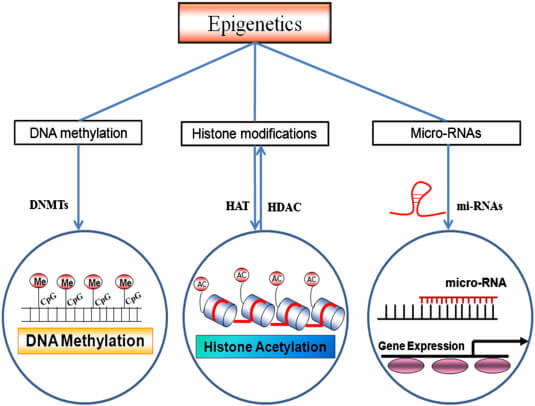

Epigenetics is like the conductor of a genetic orchestra 🎻, influencing which genes are played (expressed) and when, without changing the musical notes (DNA sequence) themselves 🎶. It’s like a molecular maestro orchestrating gene expression in response to environmental cues 🌱, lifestyle choices 🏃♂️, and developmental stages 🧬. Epigenetic modifications, such as DNA methylation, histone modifications, and non-coding RNA regulation, act like tiny molecular switches 🧬, turning genes on and off as needed, all without altering the fundamental DNA sequence!
Epigenetics and Type 2 Diabetes.

Discovery of Epigenetic Changes:
Researchers at Lund University have discovered that certain changes in how our genes work, called epigenetic changes, might actually cause type 2 diabetes, rather than just happening after someone already has the condition (Rönn et al., 2023).
Implications for Disease Prevention:
This finding suggests that understanding these changes could help us develop better ways to prevent the disease.
Role of Environment and Lifestyle:
While our genes themselves don’t usually change, things like our environment and lifestyle can cause these epigenetic changes, which can affect how our genes function. 🧬
Association with High Blood Sugar Levels:
The team found specific changes in the DNA of people with type 2 diabetes compared to those without it. Interestingly, they also found similar changes in people with high blood sugar levels, suggesting that these epigenetic changes might be involved in the development of the disease.
Identification of Important Genes:
RHOT1, also known as Rho-related BTB domain-containing protein 1, is a gene that encodes a protein involved in cellular processes such as mitochondrial dynamics, apoptosis, and cell proliferation. It belongs to the Rho family of small GTPases and plays a role in regulating mitochondrial fusion and fission
Certain genes, such as RHOT1 ( Fig. BTB domain 1) , showed these epigenetic changes in people with diabetes and played a role in how insulin is produced.
Potential for Predictive Biomarkers:
What are Biomarkers?
Biomarkers are measurable indicators, such as molecules or genes, providing information about biological processes, conditions, or treatment responses, aiding in medical research, diagnosis, and disease monitoring.
Examples of Biomarkers:
Blood Glucose Levels:
Glucose is a biomarker for diabetes. High levels might indicate diabetes or insulin resistance.
The researchers hope to develop a way to predict who might be at risk for developing type 2 diabetes based on their epigenetic changes. This could allow for personalized lifestyle advice or new treatments aimed at correcting these gene activities.
Ultimate Goal of Disease Prevention:
Ultimately, the goal is to help prevent type 2 diabetes by understanding and targeting these epigenetic changes. 💡These highlighted points summarize the key findings and implications of the study.
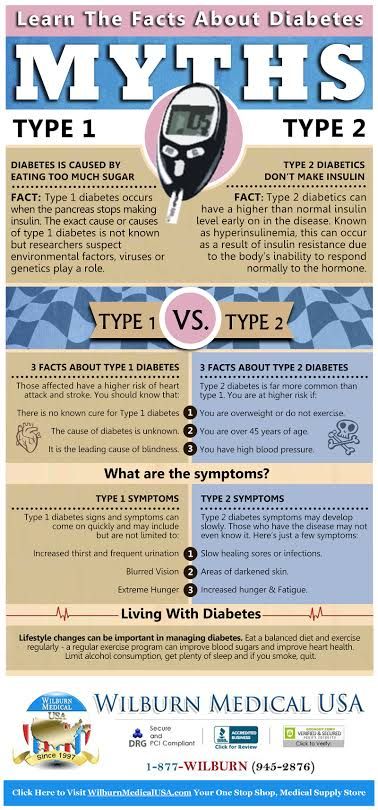
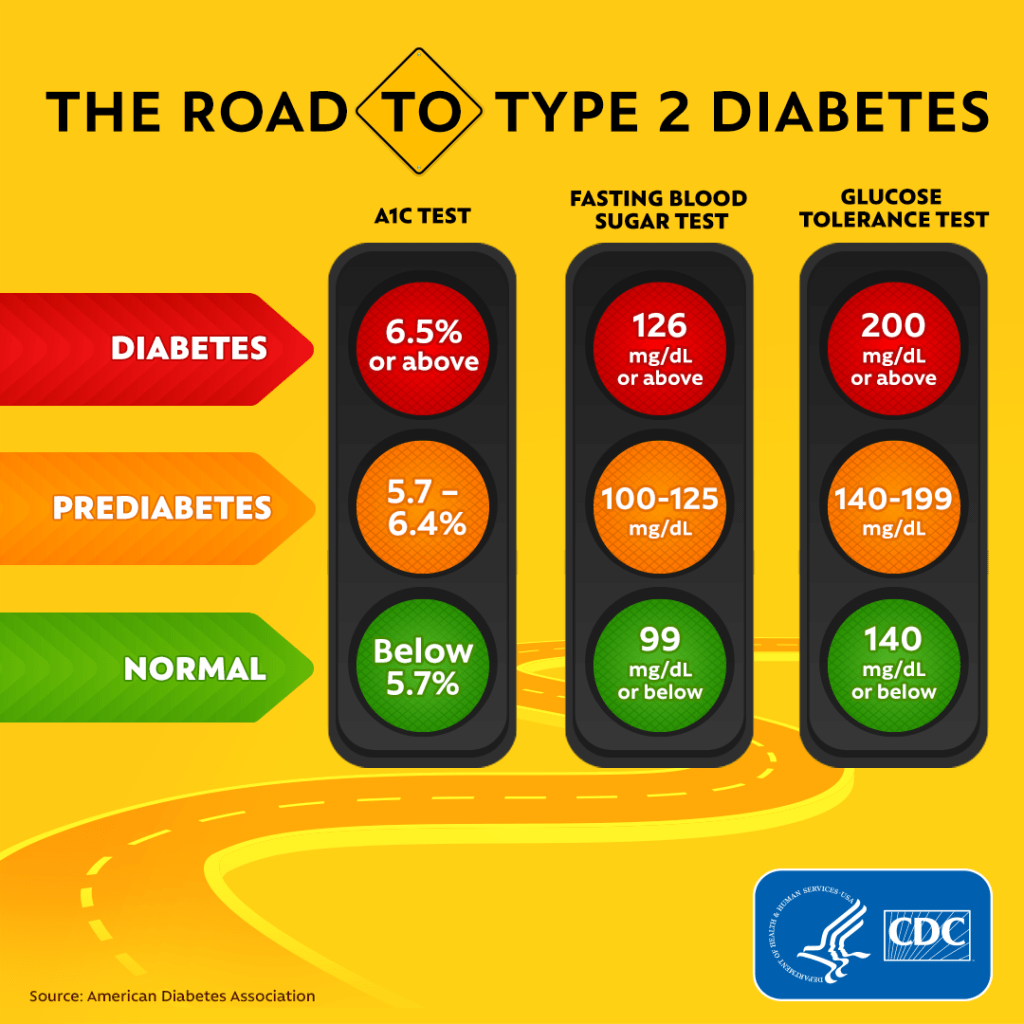
Some Tips and Facts on Diabetes 2:
Hope you find this blog informative!😃 Please like and share it with your friends and family. Don’t forget to subscribe to our blog and follow our social media channels for more interesting topics. 🧿
Journal Reference:
Tina Rönn, Jones K. Ofori, Alexander Perfilyev, Alexander Hamilton, Karolina Pircs, Fabian Eichelmann, Sonia Garcia-Calzon, Alexandros Karagiannopoulos, Hans Stenlund, Anna Wendt, Petr Volkov, Matthias B. Schulze, Hindrik Mulder, Lena Eliasson, Sabrina Ruhrmann, Karl Bacos, Charlotte Ling. Genes with epigenetic alterations in human pancreatic islets impact mitochondrial function, insulin secretion, and type 2 diabetes. Nature Communications, 2023; 14 (1) DOI: 10.1038/s41467-023-43719-9
Reference Site:
https://www.sciencedaily.com/releases/2023/12/231213112605.htm
Get our latest posts in your inbox.


Discover more from Lifestyle Science & health
Subscribe to get the latest posts sent to your email.

 Lifestyle Science & health