

Fermented rice recipes have been a staple in many cultures for centuries. From Japan’s sake to Korea’s makgeolli, there are many ways to enjoy the unique flavor and health benefits of fermented rice. Fermentation is a natural process that enhances the nutritional value of rice, making it a rich source of vitamins, minerals, and probiotics. Consuming fermented rice has been linked to a range of health benefits, including improved digestion💁♀️😁, enhanced immune function, and reduced inflammation. In this article, we will explore the benefits of fermented rice recipes and how to make them at home in a similar way as we make curd or yogurt from milk🧋.
Indian fermented rice kanji is a traditional, probiotic-rich drink that has been enjoyed for centuries in Indian households. This tangy and refreshing drink is made by fermenting rice🍚 with water and a few basic ingredients, resulting in a tasty and nutritious beverage that is packed with gut-friendly bacteria. While the basic recipe for kanji is delicious on its own, adding popular ingredients such as nuts🥜, fruits🍉🍒, and vegetables🥦🫚 can take this drink to the next level. In this article, we’ll explore some of the best additions to Indian fermented rice kanjis, and provide tips and techniques for making your kanji recipe healthy, flavorful, and unforgettable.😃
“My present and most fixed opinion regarding the nature of alcoholic fermentation is this: The chemical act of fermentation is essentially a phenomenon correlative with a vital act, beginning and ending with the latter. I believe that there is never any alcoholic fermentation without their being simultaneously the organization, development, multiplication of the globules, or the pursued, continued life of globules which are already formed”.
In ‘Memoire sur la fermentation alcoolique’, Annales de Chemie et de Physique (1860), 58:3, 359-360, as translated in Joseph S. Fruton, Proteins, Enzymes, Genes: The Interplay of Chemistry and Biology (1999),
1. Introduction to Fermented Rice Recipes
Fermented rice recipes have been enjoyed by many cultures for centuries. They not only offer a unique flavor😋 and texture profile but also boast many health benefits. In this article, we will take a closer look at the benefits of incorporating fermented rice dishes into your diet.
What is fermented rice?
Fermented rice is made by soaking rice and lentils overnight, grinding them into a batter, and allowing the mixture to ferment for a few hours. The fermentation process allows the batter to rise and develop a tangy🍅 flavor. The batter can then be used to make a variety of dishes such as dosa, idli, and appam. Indian fermented rice kanji is a popular traditional beverage in India, specifically in the southern region. It is a fermented drink made from rice and water, which is left to ferment for a few days until it turns sour and tangy. It is a refreshing and nutritious drink that is known for its probiotic benefits.
Mechanism of fermentation:

History of Fermented Rice Recipes
Fermented rice has been a staple food in many cultures for centuries. In Asia, countries like Japan, China, and Korea have been eating fermented rice dishes🍛🍙 for thousands of years. In other parts of the world, such as Africa and South America🍚🍲, fermented rice is also a popular dish. The traditional method of making fermented rice has been passed down from generation to generation.
Fermented rice has been a part of Indian cuisine for thousands of years. It is believed that the process of fermenting rice was invented as a way to preserve food in the absence of refrigeration🧊. The process was also used to enhance the flavor of the rice and make it more digestible. Fermented rice has been a staple in South Indian cuisine for generations and is now enjoyed all over the country and in Indian restaurants around the world.
2. Enhanced Nutritional Value of Fermented Rice
Fermented rice offers a range of nutritional benefits that set it apart from its non-fermented counterpart.
Increased Vitamin B Content
Fermented rice is rich in vitamin B, specifically vitamin B12, which is essential for maintaining a healthy nervous system. It also helps in the production of red blood cells and DNA.
Improved Mineral Bioavailability
The fermentation process increases the bioavailability of minerals in rice, which means that the body can absorb them more easily. Fermented rice is rich in minerals such as potassium, magnesium, and calcium, which are essential for maintaining healthy bones , muscles, and nerves.
Antioxidant Properties
Fermented rice is rich in antioxidants that help protect the body from harmful free radicals🏜. These antioxidants help reduce inflammation in the body and prevent chronic diseases such as cancer🦀 and heart disease❤️.
Boosts Digestion and Metabolism
Fermented rice offers many benefits for gut health and digestion.
Fermented Rice and Gut Health
Fermented rice contains beneficial bacteria that help boost gut health. These bacteria can help improve the balance of good and bad bacteria in the gut, which can help reduce digestive issues such as bloating, gas, and constipation.🙂
Improved Digestion and Nutrient Absorption
Fermented rice is easier to digest than non-fermented rice. The fermentation process helps break down complex carbohydrates, making it easier for the body to absorb nutrients from the rice.
Metabolic Benefits of Fermented Rice
Fermented rice has a complex flavor profile that is often described as umami. This savory taste is due to the presence of glutamic acid, an amino acid that is produced during the fermentation process.
Fermented rice may also have metabolic benefits. Research suggests that consuming fermented rice can help improve insulin sensitivity and reduce inflammation, which can help reduce the risk of metabolic diseases such as diabetes and obesity.
3. Fermented rice as a probiotic food
Fermented rice is a probiotic food that contains live bacteria and yeasts. These microorganisms thrive during the fermentation process and provide a range of health benefits.
Probiotic benefits of fermented rice
The probiotic benefits of fermented rice include improved digestive health, enhanced immune system, and reduced inflammation. Regular consumption of fermented rice can also aid in the absorption of nutrients from food and reduce the risk of gut-related disorders such as irritable bowel syndrome and inflammatory bowel disease.
4.Role of fermented rice in Indian cuisine
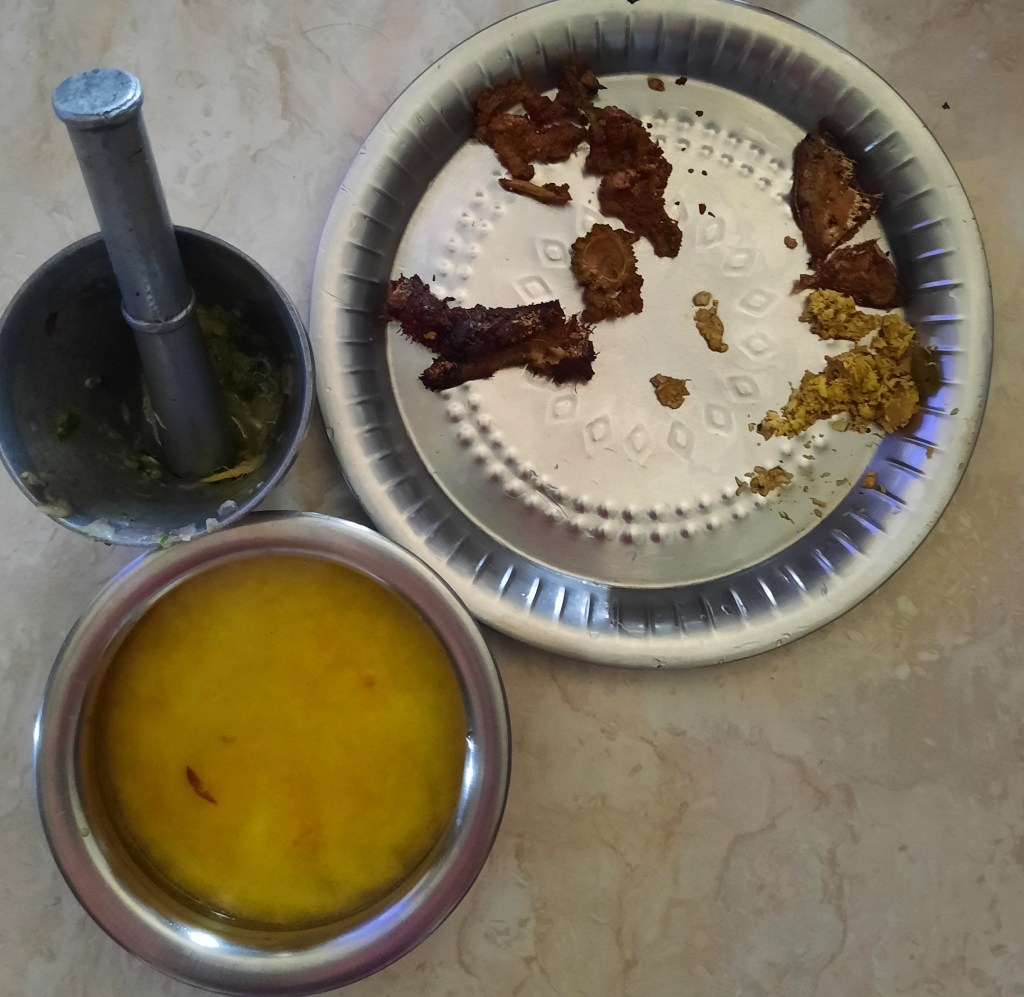
Here’s a basic recipe for Kerala Kanji, a traditional South Indian rice porridge:
Ingredients:
– 1 cup rice (preferably parboiled rice)🍚
– 4-5 cups water🫙
– 1 teaspoon fenugreek seeds
– 1/2 teaspoon cumin seeds
– 1/2 teaspoon mustard seeds
– 2-3 dry red chilies🌶
– 4-5 shallots, chopped🧅
– 2-3 cloves garlic, minced🧄
– 1 inch piece of ginger, grated🫚
– Curry leaves🍃🧂
– Salt, to taste
Instructions:
1. Wash the rice thoroughly and soak it in water for about 30 minutes.🥣
2. In a large pot, combine the soaked rice and water. Bring it to a boil over medium heat.🫕
3. Once it starts boiling, reduce the heat to low and let it simmer, stirring occasionally to prevent sticking.🫕
4. In a separate small pan, heat some oil. Add fenugreek seeds, cumin seeds, mustard seeds, and dry red chilies. Allow them to splutter.🌶
5. Add chopped shallots, minced garlic, grated ginger, and curry leaves to the pan. Saute until the shallots turn golden brown.🧅🧄🍃🫚
6. Pour this mixture into the simmering rice porridge and mix well.🥣
7. Continue to cook the porridge until it reaches your desired consistency, stirring occasionally. Add more water if necessary to adjust the consistency.
8. Season with salt to taste.🫙🍲
9. Serve hot with a side of pickle, papad, or any curry of your choice.🍛
Enjoy your delicious Kerala Kanji!😀😀
Fermented Rice for Overall Health and Well-being
Fermented rice has been a staple in many cultures for centuries. It not only adds unique flavor and texture to dishes but also offers a range of health benefits.
Lowered risk of chronic diseases
Fermented rice is rich in antioxidants, which help to fight against free radicals that can cause cell damage. Regular consumption of fermented rice has been linked to a reduced risk of chronic diseases such as cancer, diabetes, and heart disease.
Enhanced immune system
Fermented rice contains beneficial bacteria and yeasts that help to support a healthy gut microbiome. A healthy gut is essential for a strong immune system, and fermented rice can aid in enhancing immunity.
Reduced inflammation
Inflammation is the root cause of many chronic diseases. Fermented rice has anti-inflammatory properties due to the presence of beneficial bacteria and compounds such as quercetin, isoflavones, and phytic acid. Incorporating fermented rice into your diet can, therefore, reduce inflammation in the body.
Fermented Rice as a Probiotic Food
What are probiotics?
Probiotics are live microorganisms that have health benefits when consumed in adequate amounts. They are primarily found in fermented foods and supplements and can improve gut health, enhance immunity, and reduce inflammation.
Final tips for making delicious and healthy kanjis with popular additions
When adding nuts, fruits, or vegetables to your kanji recipe, make sure to choose fresh, seasonal ingredients. You can also experiment with different combinations to find your favorite flavor profiles. With these tips, you’ll be able to create delicious and healthy kanjis that are perfect for any occasion. In conclusion, Indian fermented rice kanjis are a healthy and delicious beverage that have been enjoyed for generations. By incorporating popular additions such as nuts, fruits, and vegetables, you can take your kanji recipe to new heights while providing essential nutrients and beneficial probiotics to your body. Whether you’re looking to experiment with new flavors or simply want to explore the rich culture of Indian cuisine, adding popular ingredients to your homemade kanjis is an excellent way to do so. So why not try adding your favorite ingredients to your next batch of kanjis and see what delicious flavors you can create?
Fermented rice is an integral part of Indian cuisine, especially South Indian cuisine. It is used to make a variety of dishes such as dosa, idli, appam, and more. Fermented rice is not just limited to South Indian cuisine, it is also used as a base for alcoholic drinks such as rice beer🍺 and rice wine🥂.
Improved Flavor and Aroma
5. Nutritious Additions to Fermented Rice Kanjis
Health benefits of adding nuts to kanji
Adding nuts to your fermented rice kanji can increase its nutritional value significantly. Nuts🥜 are packed with protein, fiber, and healthy fats, which can help promote heart health, lower cholesterol, and boost brain function.
Types of nuts to consider for your kanji recipe
Almonds, cashews, and pistachios are great choices for adding to your kanji recipe. These nuts are rich in nutrients and add a delicious crunch to the drink. You can use them whole or ground as a powder to add to your kanji.
How to incorporate nuts into your kanji recipe
To add nuts to your kanji recipe, you can either soak them in water or grind them into a fine powder and mix them into the drink. Make sure to add the nuts towards the end of the fermentation process to prevent them from getting too soft.
6. Flavorful Fruits to Elevate Your Kanjis

Why add fruit to your kanji?
Adding fruit to your kanji not only enhances its flavor but also increases its nutritional value. Fruits 🍉🥝 are packed with vitamins, fiber, and antioxidants, which can help boost the immune system and improve overall health.
Best fruits to add to your kanji recipe
Mangoes, citrus fruits like lemon and lime, and berries like strawberries🍓 and blueberries🫐 are perfect for adding to your kanji recipe. These fruits not only add a burst of flavor but also provide a host of health benefits.
Techniques for incorporating fruit into your kanji
To add fruit to your kanji, you can either mash them into a pulp or squeeze them into juice and mix them into the drink. Make sure to add the fruit towards the end of the fermentation process to prevent it from becoming too mushy.
7. Vegetables That Can Enhance Your Kanji Recipe
The benefits of adding vegetables to your kanji
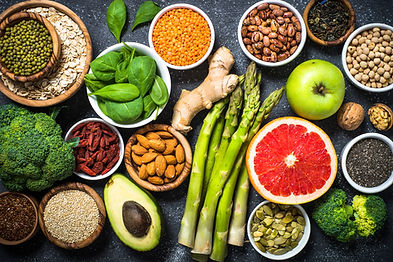
Adding vegetables to your kanji recipe can boost its nutritional value significantly. Vegetables are packed with vitamins, fiber, and antioxidants, which can help promote good health and prevent chronic diseases.
Top vegetables to consider for your kanji recipe
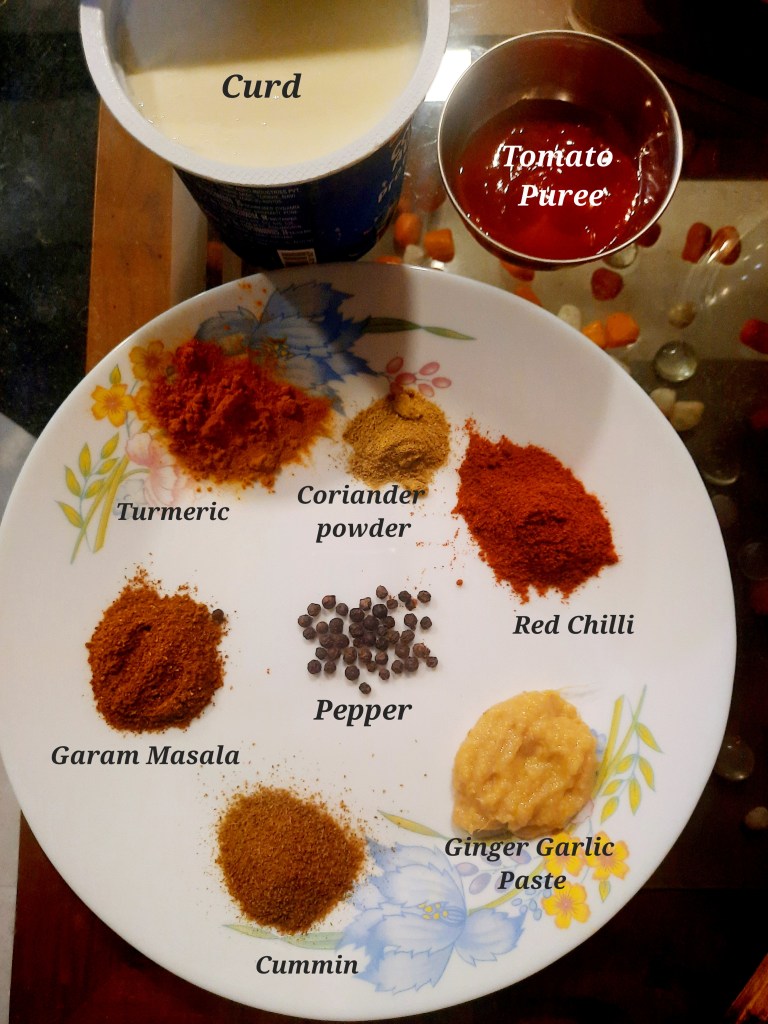
Some of the best vegetables to add to your kanji recipe include ginger, beetroot, and carrots, pulses, curries, chillies, curd etc. These vegetables not only add a unique flavor to the drink but also offer a host of health benefits.
Methods for adding vegetables to your kanji
To add vegetables to your kanji, you can chop or grate them and mix them into the drink. You can also create a paste from the vegetables and add it to the drink. Make sure to add the vegetables towards the end of the fermentation process to prevent them from getting too soft.
8. Top Tips for Making Delicious and Healthy Kanjis
Kanjis are a staple in Indian cuisine and have been enjoyed for centuries. Here are some top tips to make sure your homemade kanjis are delicious and healthy:
How to properly ferment rice for kanji
Fermentation is a crucial step in making kanjis. To properly ferment rice for kanji, soak the rice in water for at least 8 hours before grinding it into a fine paste. Add water to the paste and let it sit in a warm place for 24-48 hours until it starts to ferment and develop a sour taste.
Essential ingredients for a healthy and tasty kanji recipe
Besides rice, there are many other ingredients that can make your kanji even more nutritious and flavorful. Some essential ingredients for a healthy and tasty kanji recipe include ginger, green chilies, curry leaves, and salt. You can also add some jaggery or sugar to balance out the sour taste.
Pro tips for making your kanji recipe stand out
To take your kanji recipe to the next level, try adding some popular additions such as nuts, fruits, or vegetables. You can also experiment with different spices and herbs to make your kanji more interesting. Don’t be afraid to get creative and try out new flavor combinations!😀😀
9. Importance of Fermented Foods in Indian Cuisine
Fermented foods like kanjis have been an integral part of Indian cuisine for centuries. Here’s why:
The role of fermented foods in Indian culture
In Indian culture, fermented foods are believed to aid digestion and boost immunity. They are also used in various religious ceremonies and festivals.
Benefits of consuming fermented foods as part of your diet
Fermented foods are rich in probiotics, which promote healthy digestion and gut health. They also help in the absorption of nutrients and can reduce the risk of various diseases such as diabetes, obesity, and cardiovascular diseases.
10. Conclusion and Final Thoughts on Making Kanjis with Popular Additions
Adding nuts, fruits, or vegetables to your basic homemade kanjis is an excellent way to take your recipe to the next level. Here are some final thoughts:
Summary of the benefits of adding nuts, fruits, and vegetables to your kanji recipe
Nuts, fruits, and vegetables are packed with essential nutrients and add flavor and texture to your kanji recipe. They can also boost the health benefits of fermented foods.

















 Lifestyle Science & health